Daimon Robotics Unveils Largest Omni-Modal Tactile Dataset
Robot hands just gained a real sense of touch at scale. Daimon-Infinity is being pitched as the largest omni-modal robotic dataset for physical AI, built to fuse tactile sensing with vision and other inputs for manipulation tasks, from folding laundry at home to factory line work. The project gathers partners across China and beyond, including Google DeepMind, Northwestern University, and the National University of Singapore. This is not a marketing demo; it’s a data push intended to accelerate real-world robotic manipulation.
The company is leaning on a hardware backbone that makes the data possible. Daimon’s tactile sensor is described as a monochromatic, vision-based module with more than 110,000 effective sensing units packed into a fingertip-sized footprint. That dense tactile layer sits at the heart of what Daimon calls Vision-Tactile-Language-Action or VTLA, a framework that treats tactile input as a first-class modality on par with vision and language for manipulation tasks. In practice, that means researchers can pair high-resolution touch data with other cues to train robots to grip, sense slip, and adjust grip in ways that resemble human touch.
The scale of Daimon’s data ambitions goes beyond a single lab. The company describes a distributed, out-of-lab data collection network capable of generating millions of hours of data annually, and it is opening up portions of that resource to the broader community. In a notable move, Daimon has open-sourced 10,000 hours of its tactile data to spur research and accelerate embodied AI development. The open data strategy is paired with deep partnerships aimed at connecting lab experiments to real-world manufacturing and home robotics tasks.
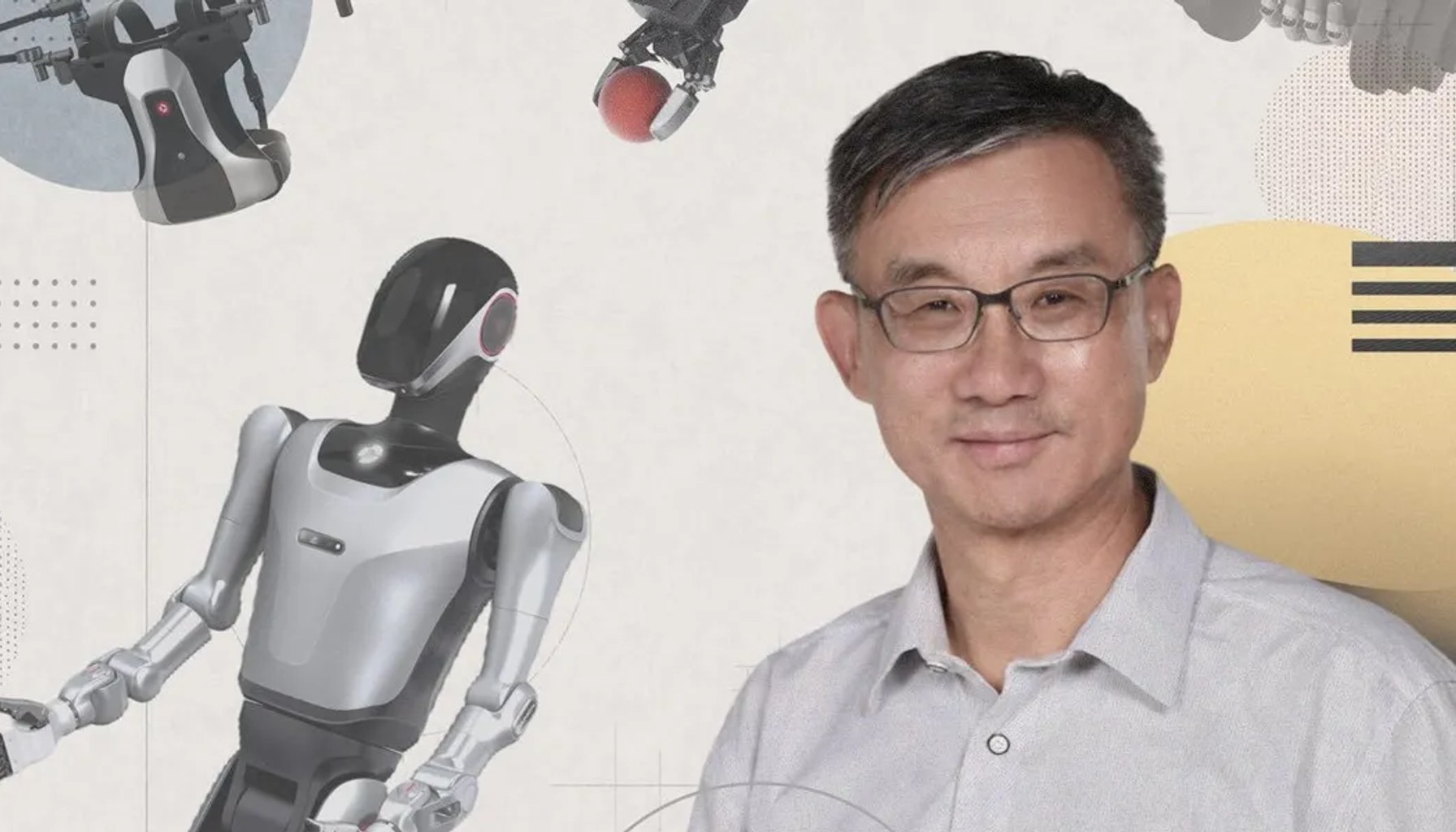
Leadership on the project comes from Prof. Michael Yu Wang, a CMU-trained researcher who helped launch the Robotics Institute at the Hong Kong University of Science and Technology and has a long record in manipulation research. His involvement signals a bridge between academic rigor and practical robotics engineering, and his track record underscores how tactile sensing could become a mainstream component of manipulation systems that must operate in imperfect factory environments.
Industry watchers see clear implications for how automation is deployed, even if the dataset itself does not translate into immediate performance guarantees on a factory floor. The emphasis on high-resolution tactile sensing, and the VTLA architecture that integrates touch into decision-making loops, points toward more reliable grasp and manipulation in varied conditions. But the path from dataset to deployment still demands careful integration work, robust calibration, and task-specific adaptation. The real test will be whether companies can translate the tactile-rich training into stable, repeatable performance in production lines.
From a practitioner standpoint, several insights emerge. First, data scale matters, and cross-institution collaboration can shorten the distance from lab curiosity to field-ready capability, but the actual benefits depend on how quickly VTLA can be embedded into existing robot controllers and PLCs on the shop floor. Second, hardware density helps but does not erase maintenance and calibration needs; a fingertip-sized module with 110k sensing units demands rigorous sensor upkeep and consistent calibration to stay reliable in production environments. Third, open data accelerates innovation, yet manufacturers will still guard sensitive process data and IP while looking to adapt the shared datasets to their own tools and workflows. Finally, the collaboration with a mix of tech groups and universities signals a broader trend: tactile sensing is becoming a strategic piece of the automation puzzle, not just a research curiosity.
As Daimon moves forward, plant managers and automation directors will be watching not just the dataset, but what comes next: how quickly the VTLA framework can be deployed alongside existing control architectures, what kind of training and maintenance will be required for tactile-enabled grippers, and how openly the data will map to real-world tasks on the factory floor. The dataset promises to push tactile sensing from a niche capability into a practical, scalable element of embodied AI, but the journey from dataset to dependable deployment remains the critical frontier for manufacturers.
- DAIMON Robotics Wants to Give Robot Hands a Sense of Touchspectrum.ieee.org / Independent source / Published MAY 04, 2026 / Accessed MAY 13, 2026