Factory Winners Execute Not Just Innovate
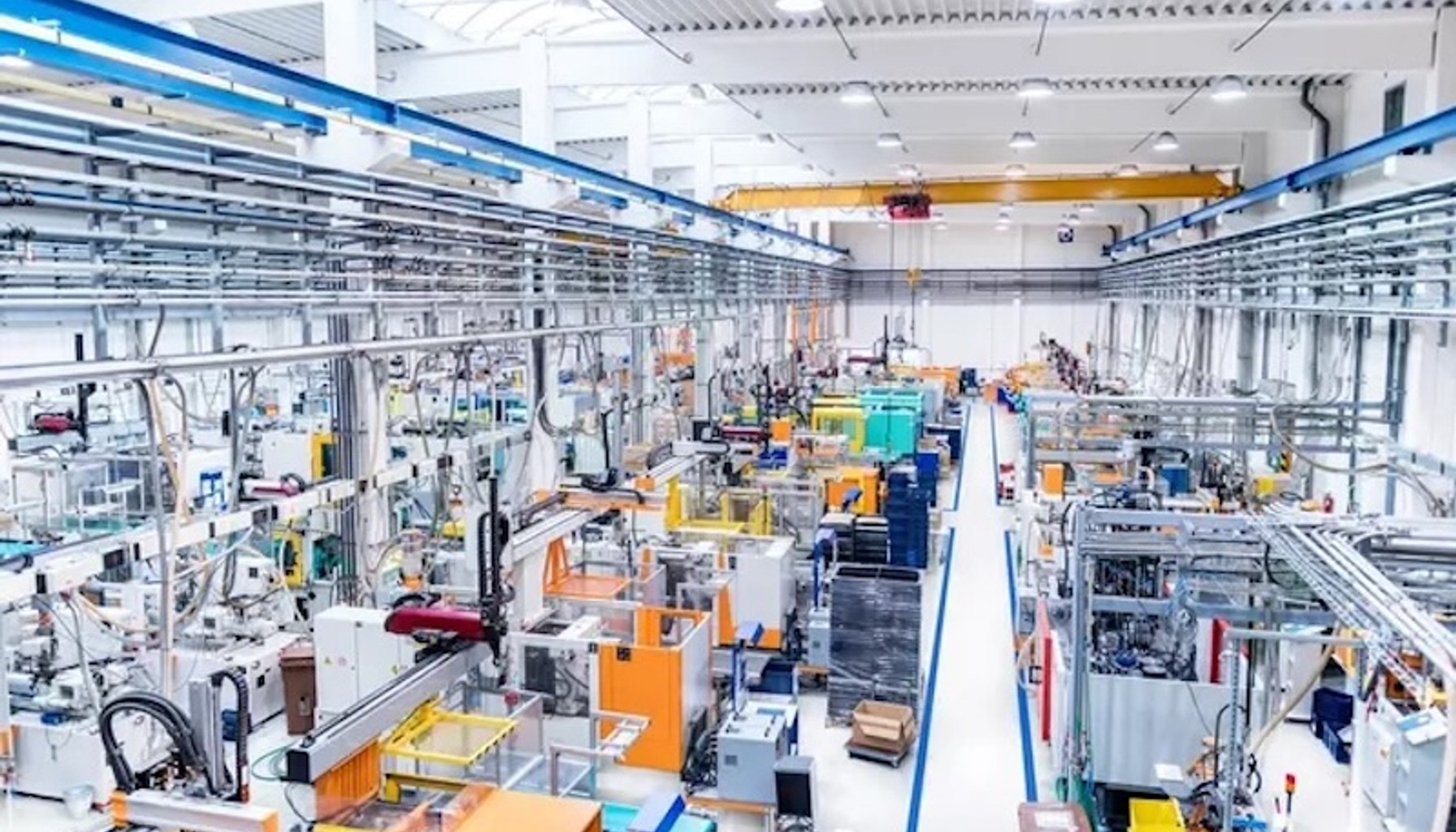
Execution trumps innovation in today’s automated factories. That’s the blunt takeaway from Harting’s Rodriques Johnpeter, who says disruption is the new baseline and the real winners are the plants that move beyond flashy demos to full deployment.
Harting argues facilities face a perfect storm: supply chains roiling, inflation squeezing budgets, and labor constraints tightening every quarter. In that environment, plants are pushing to embed automation and AI into lines that were never designed for today’s tech, not because executives love buzzwords but because the math of risk management and capacity requires it. The upshot is simple on paper, and brutal in practice: pilots and proofs of concept are not enough if the line stops short of measurable gains.
The industrial reality check, according to Harting, is that most facilities struggle to close the gap between a convincing demo and a running cell. The pressure to act is real, but the path to execution is littered with integration hurdles, not with gadget elegance. Production data shows that the benefits of automation only materialize when deployment is treated as a program, not a one off upgrade. Integration teams report that the hardest work often sits in the connective tissue, how a cobot or a smart sensor fits into an existing line, how power and network topology are laid out, and how maintenance and operators are trained to trust the change.
Two or three practitioner-level realities emerge from this perspective. First, automation success requires deliberate integration planning that encompasses floor space, power provisioning, and IT OT alignment. A neat robot bumper sticker is not a plan; you need a layout that accounts for cabling, safe operating envelopes, and a schedule that harmonizes with the rest of the line. Second, the ROI is real but fragile. Short-term gains from a demo can evaporate if the deployment stalls, if staff are not trained to operate and troubleshoot, or if the system cannot be scaled to other lines. Third, hidden costs and change management matter. Vendors often promise seamless integration, yet practitioners learn to budget for additional debugging, extended commissioning, and ongoing software licenses that creep into the annual spend. Finally, when skilled trades are involved, automation should augment the crafts on the factory floor rather than erode their role. The best outcomes arrive when electricians, mechanics, and technicians are upskilled to work alongside intelligent machines, not replaced by them.
In Harting’s view, the path forward is a disciplined cycle of design, test, and scale, anchored by clear operational metrics and a realistic understanding of what gets measured. Plant leaders should insist on proof that deployment yields tangible cycle time or throughput improvements, and that the integration plan includes training hours, floor space adjustments, and power needs. The message to CFOs is practical: expect a credible payback once the deployment proves its mettle across a full production run, not merely in a carpeted lab.
For shop-floor teams, the takeaway is equally concrete. If you want automation to deliver, treat it as an organizational project with multi-discipline ownership, detailed install plans, and a commitment to training. Demos are breadcrumbs; deployments are the feast. And while the disruption economy remains loud, the winners will be those who translate ambition into reliable, repeatable production improvements.
- Perspective from Harting: The industrial reality check – why factory winners execute, not just innovateroboticsandautomationnews.com / Independent source / Published MAY 22, 2026 / Accessed MAY 22, 2026