GMEX Unveils Height-Adjustable Hospital Robot
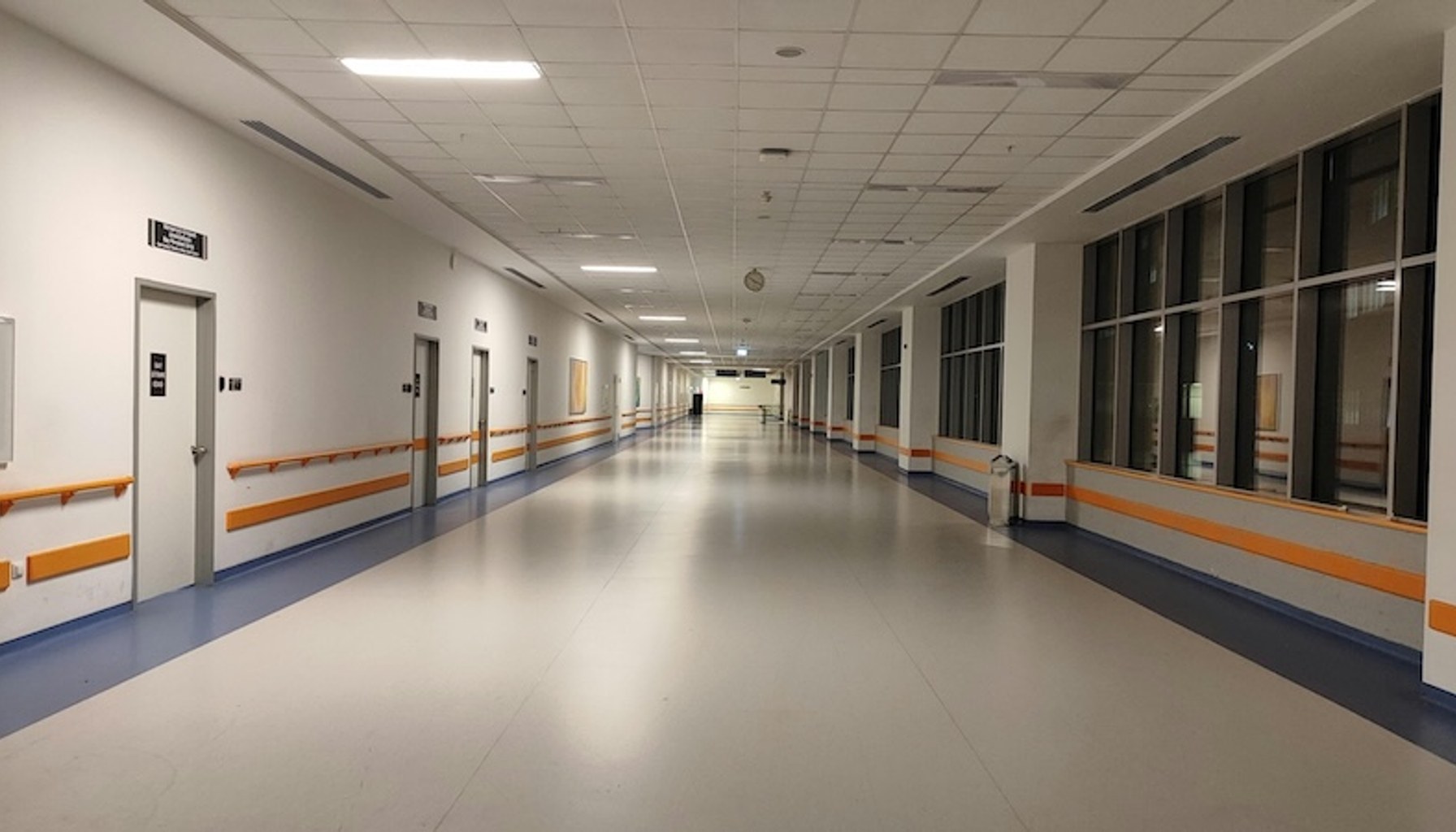
GMEX’s hospital logistics robot promises item retrieval at patient height without staff bending.
GMEX Robotics, a player pushing AI-powered automation into the hospital corridor, has announced a meaningful step forward for its autonomous logistics platform. The company says the advancement targets one of the stubborn pain points in portable, conveyor-style medical robots: the need for clinicians or patients to bend over to grab supplies. The new design emphasizes height-adjustable access, enabling retrieval across a range of ergonomics without forcing caregivers into awkward postures.
This is more than a tweak in the control software. In a hospital setting, every extra minute spent bending, reaching, or navigating tight spaces translates into longer cycles for supply delivery and a higher risk of interruptions in patient care. GMEX positions the upgrade as a practical improvement to a workflow that already relies on robotic aids for routine tasks such as delivering supplies to wards, moving specimens, or ferrying linens. By addressing the “reach” problem head-on, the company argues the robot becomes a more reliable partner in the often chaotic hospital environment.
Industry watchers will be watching two big threads come into play. First, the ergonomic benefit is straightforward: if a robot can present items at a staff-friendly height without the operator contorting, there’s a likely drop-in improvement in user adoption and fewer ergonomic risk exposures. Second, there’s the broader question of how much autonomy translates into real throughput gains in hospitals, where corridors, doors, elevator lobbies, and patient movement create a web of friction that’s hard to model outside a live deployment.
From a practitioner perspective, the upgrade shifts several practical constraints and tradeoffs. Hospitals must consider space for the robot’s docking or staging area, where items are loaded and sorted before delivery. A height-adjustable design adds mechanical complexity, so maintenance planning should include more vigilant checks on actuators and sensors to avoid creeping misalignment or jamming in high-traffic zones. In addition, integration teams will weigh how the robot interoperates with existing hospital information systems, inventory databases, and caregiver workflows. The ability to seamlessly prompt staff when an item is ready for pickup, or to hand off a delivery to a nurse at the bedside, will determine whether the height feature actually reduces walk-time or simply moves it around.
Even with a clearer ergonomic appeal, several realities remain. First, the announcement leaves open questions about metrics: cycle-time reductions, overall throughput, and the payback profile that many hospitals demand before committing capital. The lack of disclosed ROI numbers isn’t unusual in initial product announcements, but it matters to CFOs and operations directors evaluating capital expenditures. Second, hidden costs tend to appear later: integration with room layouts, elevators, and charging infrastructure; ongoing software updates; and the need for in-house or partner maintenance support. Third, this kind of upgrade doesn’t obviate the need for human labor entirely. Operators will still handle items that are awkward, fragile, or require clinical judgment to select the correct patient or supply item.
GMEX’s move arrives at a moment when hospitals increasingly test autonomous logistics as a way to stabilize supply chains and free clinical staff for direct patient care. If the height-adjustable capability translates into consistent, repeatable item retrieval with fewer mid-task interruptions, it could set a new baseline for what a “hands-off” supply chain looks like in a hospital corridor. Still, healthcare leaders will want to see deployment data—cycle-time improvements, space and power usage, operator training hours, and, crucially, ROI documentation—before they sign off on broader rollout.
As pilots roll out, the industry will watch how this feature performs across patient rooms, supply closets, and crowded wards. The promise is tangible: fewer bent backs, faster bedside handoffs, and a hospital logistics robot that truly adapts to the human worker rather than forcing the worker to adapt to the machine.
- GMEX Robotics advances autonomous hospital logistics robotroboticsandautomationnews.com / Source role not classified / Published APR 22, 2026 / Accessed APR 22, 2026