Robots Upgrade, Not Replace Skilled Trades
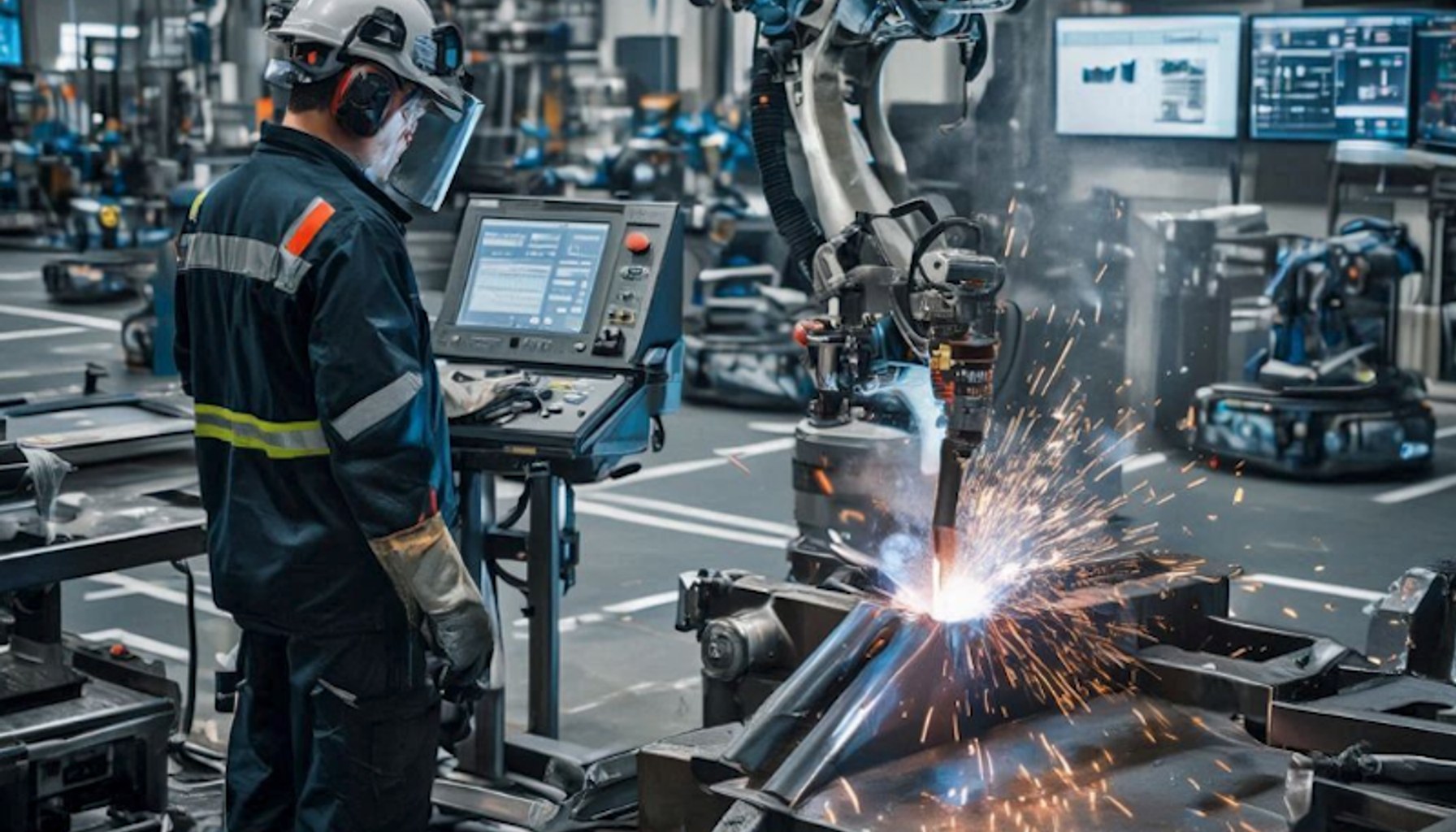
Robots aren’t replacing skilled trades—they’re upgrading them.
Across factories and job sites, automation is expanding the reach of welders, electricians, and refrigeration techs, not sidelining them. Production data shows that robotic welding cells are moving from novelty demos to common production assets, deployed to stabilize throughput and reduce rework. Yet the real story isn’t the robots themselves—it’s how teams integrate them with existing craft labor to lift overall performance.
Integration teams report that the biggest hurdles aren’t “go/no-go” questions but practical constraints: floor space, utility hookups, and, crucially, the training hours required to keep a cell running on a production line. The footprint of a typical welding cell, the 3-phase power it demands, and the multiple fixtures and parts that must be coordinated with existing workstations all drive upfront planning. In other words, the cost of entry isn’t just the robot arm; it’s the whole ecosystem around it, and the learning curve to move from a demo to a dependable deployment. ROI documentation reveals that payback periods are highly variable, skewed by how quickly a shop can bring operators, programmers, and maintenance staff up to speed.
Floor supervisors confirm a common pattern on the shop floor: the same weld cell that produces consistent pass-fail welding also creates new roles. Operators move into line-side supervision, torch-following, and fixture changes, while electricians and control engineers migrate toward integration and commissioning tasks. In practice, automation augments craft labor rather than replaces it; the welders who once spent days chasing variance now spend those hours tuning the cell, validating weld parameters, and responding to sensor alerts. Operational metrics show fewer rework cycles and more uniform welds, but the day-to-day reality still hinges on human-in-the-loop problem solving—especially when a spindle jams or a fixture shifts out of tolerance.
Hidden costs vendors don’t mention upfront can sting if not planned for. Downtime during install, iterative calibration, and the need for spare parts and software licenses can erode early gains. Cybersecurity considerations, too, creep into the cost of maintaining interconnected devices on the factory floor. Vendors tend to spotlight the speed and precision gains; manufacturers point out the quiet drain of unexpected downtime and the ongoing need for technical coverage beyond the initial rollout.
The trend is clear to practitioners: automation is reshaping the crafts, not erasing them. Robotic welding cells, sensor-rich monitoring, and AI-driven diagnostics raise the floor for skilled trades—they demand more cross-disciplinary expertise and a more disciplined approach to maintenance and programming. Integration teams report that the most successful deployments pair a strong operator-training plan with a clear governance model for software updates and tool changes. Floor supervisors confirm that the best outcomes come when weld engineers, electricians, and line leaders collaborate early—aligning the cell’s capabilities with the fabric of the work crew rather than imposing a separate, isolated module.
What to watch next? The story isn’t a one-off upgrade; it’s a continuing shift in how craft labor and automation co-exist. As cobots become more capable and sensors proliferate, the line between operator and programmer blurs. More facilities will publish actual payback data, and ROI will become a more credible part of the procurement conversation—provided teams track cycle time, throughput shifts, and the cost of training over the first year. In the meantime, the message from the floor is unmistakable: automation isn’t a hammer that replaces hands; it’s a precision tool that extends the craft, faster, steadier, and with less rework—if you’ve planned for the people, the space, and the lessons along the way.
- 10 Automation Trends Shaping Skilled Tradesroboticsandautomationnews.com / Source role not classified / Published APR 21, 2026 / Accessed APR 22, 2026