Google Home camera automation replaces motion sensors
By Riley Hart
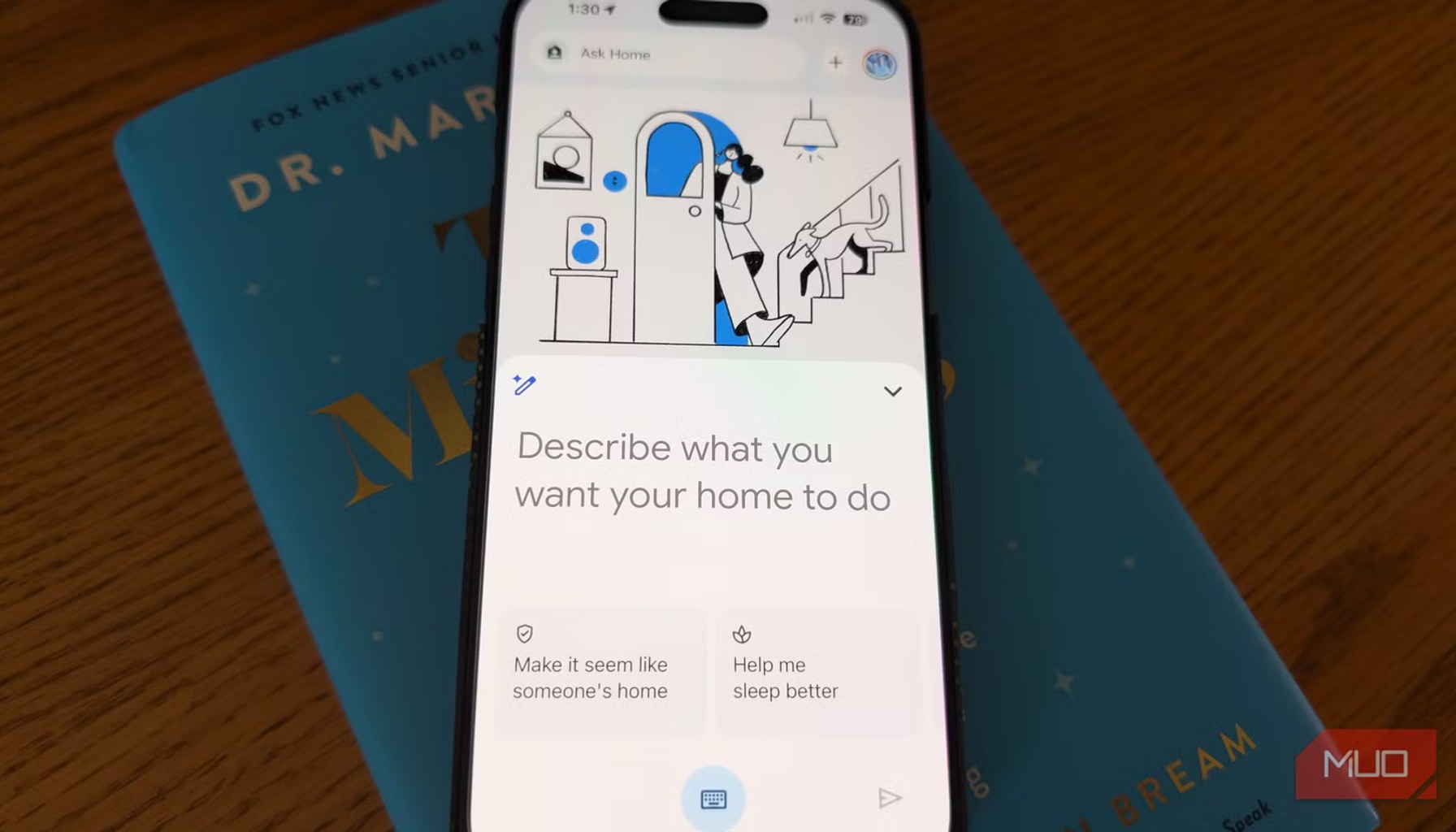
Image / MakeUseOf Smart Home
I ditched motion sensors for Google Home camera automation.
Turning on camera-based automation to monitor a home can feel like a simplification at first. The idea is straightforward: fewer little battery-powered nodes, fewer stray alerts, fewer unique devices to manage. In practice, though, the shift introduces a different kind of upkeep. The author of the MakeUseOf piece recounts a weekend ritual that used to revolve around a tiny motion sensor’s battery. After switching to camera automation, that ritual didn’t vanish, it moved. A recurring alert about a dead battery, now a relic of a different system, puts the pain point into sharp relief: maintenance migrates, it doesn’t disappear.
The appeal is clear. You get a single ecosystem coordinating detection and alerts instead of stitching together a mesh of sensors, hubs, and rules. The author notes the convenience of having one camera-driven view of activity that supposedly covers more ground than a scattered network of motion detectors. But that simplification comes with tradeoffs. Cameras require consistent power or reliable charging, and when the system relies on cloud processing or cloud storage, your home’s activity becomes part of a data pipeline that lives outside your walls. The piece hints at the underlying tension: less hardware, more data.
Privacy and lock-in sit at the core of the catch. When a home uses camera automation that feeds video or motion events to a cloud account, data footprints extend beyond the moment of an alert. The convenience of fewer devices is shadowed by the reality that the automation relies on a vendor’s services, policies, and potential changes to terms or features. In a market where households increasingly entrust security and presence-detection to cloud-connected devices, the risk isn’t just who can see what happens inside your home, but how easy it becomes to walk away if you want to switch ecosystems or prune data. The MakeUseOf piece doesn’t detail those policies, but the broader industry context makes the questions unavoidable: how long is footage retained, who can access it, and what happens to your automation if a service changes its pricing or feature set?
From a practitioner’s standpoint, a few concrete realities matter. First, reliability shifts from sensor health to network health. If a camera or cloud service goes offline, you lose coverage until connectivity resumes. Second, you trade local processing for cloud processing, which can improve alert timing but increases exposure to data-sharing concerns and cloud costs. Third, the cost structure becomes harder to pin down. Even when you’re not buying a raft of new hardware, ongoing cloud storage or subscription fees can creep in, and the article does not spell out pricing details. Fourth, there are failure modes to watch for. Cameras can misclassify activity in low light, glare, or weather, producing false positives or missed detections, which, depending on how you’ve wired automations, means more nagging alerts rather than fewer. The field is moving toward hybrid options that promise better on-device processing, but the balance of privacy, price, and performance remains unsettled.
So is this shift worth attention? For households that prize a cleaner hardware footprint and are comfortable with cloud-based detection and data practices, camera automation can be a compelling upgrade. For those who prioritize strict on-device processing, offline operation, or data sovereignty, the old sensor approach still has appeal. The key is to treat camera automation as a tradeoff decision rather than a universal upgrade, you gain streamlined management and fewer battery replacements, but you also inherit ongoing data flows, potential lock-in, and new kinds of maintenance challenges.
Total cost including subscriptions is not specified in the article, and costs will vary by hardware and any cloud storage plans tied to the camera ecosystem.
What to watch next: look for devices offering more transparent data controls, easy data export options, and any on-device processing that reduces cloud dependence. Also monitor how manufacturers handle firmware updates and privacy settings, because the long-term value of automation rests as much on policy and controls as on clever setups.
- I turned on Google Home's camera automation and ditched my motion sensorsMakeUseOf Smart Home / Mainstream / Published JUN 07, 2026 / Accessed JUN 07, 2026
Newsletter
The Robotics Briefing
A daily front-page digest delivered around noon Central Time, with the strongest headlines linked straight into the full stories.
No spam. Unsubscribe anytime. Read our privacy policy for details.