Guzi Economy Goes Big: Alibaba Bets Big
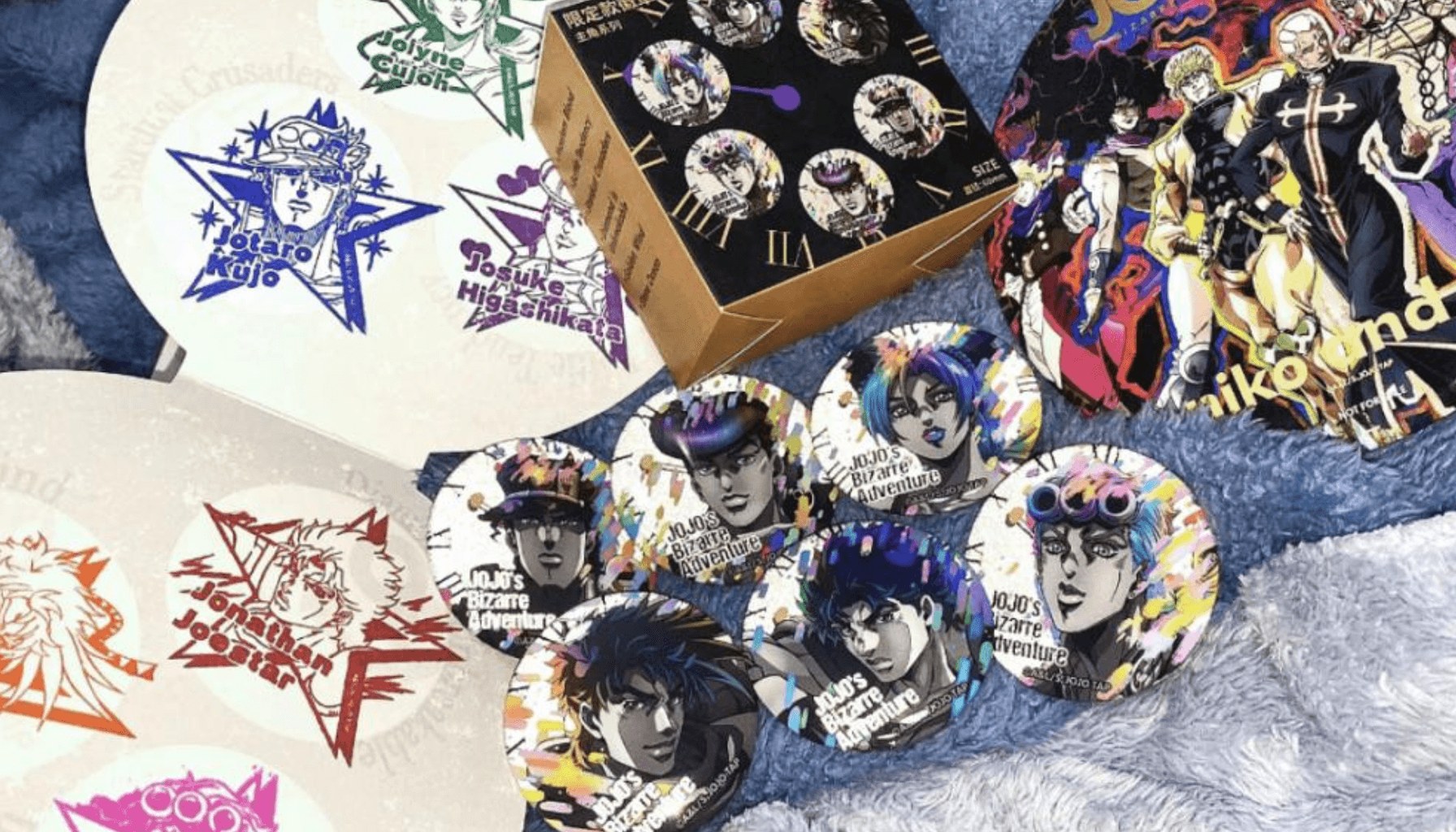
Alibaba and China Literature are turning IP into a billion-dollar merch machine. The so-called guzi economy—goods built around beloved anime, games, idols, and tokusatsu-style IPs—has coasted on momentum for years, but a wave of platform bets and monetization tools now aims to turn passion into predictable revenue streams.
Mandarin-language reporting indicates that China’s tech giants are sprinting to own the end-to-end path from content creation to merchandise. Alibaba’s Lingxi Interactive Entertainment is pushing Pipigu, a platform built around “guzi” content with a gacha-like purchasing flow. A WeChat-based Pipigu Gacha Machine has already launched, with a mini-program version expected soon. In parallel, China Literature is expanding Yuegumi, initially released as a late-2024 mini-program and now being developed into a standalone app. Its strategy leans on established IPs such as The King’s Avatar and Fox Spirit Matchmaker to stitch a closed loop: content consumption feeds into merchandise, which in turn feeds back into content and communities.
Supply chain complexity sits at the heart of the shift. The guzi economy hinges on licensing, IP partnerships, and the ability to scale manufacturing for short-run merchandise tied to ongoing fan activity. Company filings and Mandarin reporting show that IP-reliant platforms must navigate licensing deals that are often bespoke, time-bound, and deeply location-specific. The result is not simply a new sales channel; it’s a reconfiguration of how content creators, platform owners, and merchandisers coordinate with fans across touchpoints.
Beyond Alibaba and China Literature, the ecosystem is expanding across major tech players. Pinduoduo has introduced a group-buying tool tailored for guzi communities, enabling bulk pricing, scheduling, and one-click group deals—an acknowledgment that community fanship translates into purchasing power. Baidu’s revamped Daogu App leans into user-generated content, memes, and AI-powered DIY features, signaling a push toward AI-enabled customization and faster merch turnarounds. Supply-chain disclosures reveal that platforms are pursuing tight integration between content communities, purchase funnels, and fulfillment networks, underscoring a broader industry shift from unstructured hype to repeatable, metrics-driven monetization.
For global manufacturers and IP holders, the development carries both opportunity and risk. The guzi approach rewards scale in licensing and rapid prototyping of product lines, but it also exposes brands to regulatory scrutiny, litigation risk around IP rights, and quality-control challenges in on-demand fulfillment. The sector’s evolution toward private-domain e-commerce and cross-platform ecosystems means a single misstep on licensing or consumer protection can derail a lucrative cycle. As one executive inside a major Chinese platform notes, the real test is sustaining a virtuous loop: create compelling content, license the right IP at the right terms, produce authentic merch quickly, and deliver quality at scale to fan communities that demand rapid turnarounds.
Two practitioner takeaways stand out. First, licensing is non-negotiable. The guzi model depends on durable IP access and clear terms that align incentives for creators, platform operators, and merchandisers. Short-term or opportunistic licensing will bog down production and erode trust with fan communities. Second, the technology-and-commerce integration must stay frictionless. Private-domain e-commerce, AI-driven customization, and gacha-like experiences require tight data, logistics, and customer protection mechanisms. If platforms can’t marry entertaining content with reliable fulfillment, the entire closed loop collapses under fan expectations.
This is not a fad; it’s a structural shift in how China’s massive consumer base discovers, consumes, and purchases IP-driven goods. The guzi economy is moving from flash-in-the-pan hype to a curated, repeatable mass-market play, with Alibaba, China Literature, and a handful of tech giants steering the course.
- Alibaba and China Literature Move Into Booming “Guzi Economy” as Big Tech Eyes Billion-Dollar Marketpandaily.com / Source role not classified / Published APR 16, 2026 / Accessed APR 17, 2026