Heat Exchangers Get a Data-Driven Revival
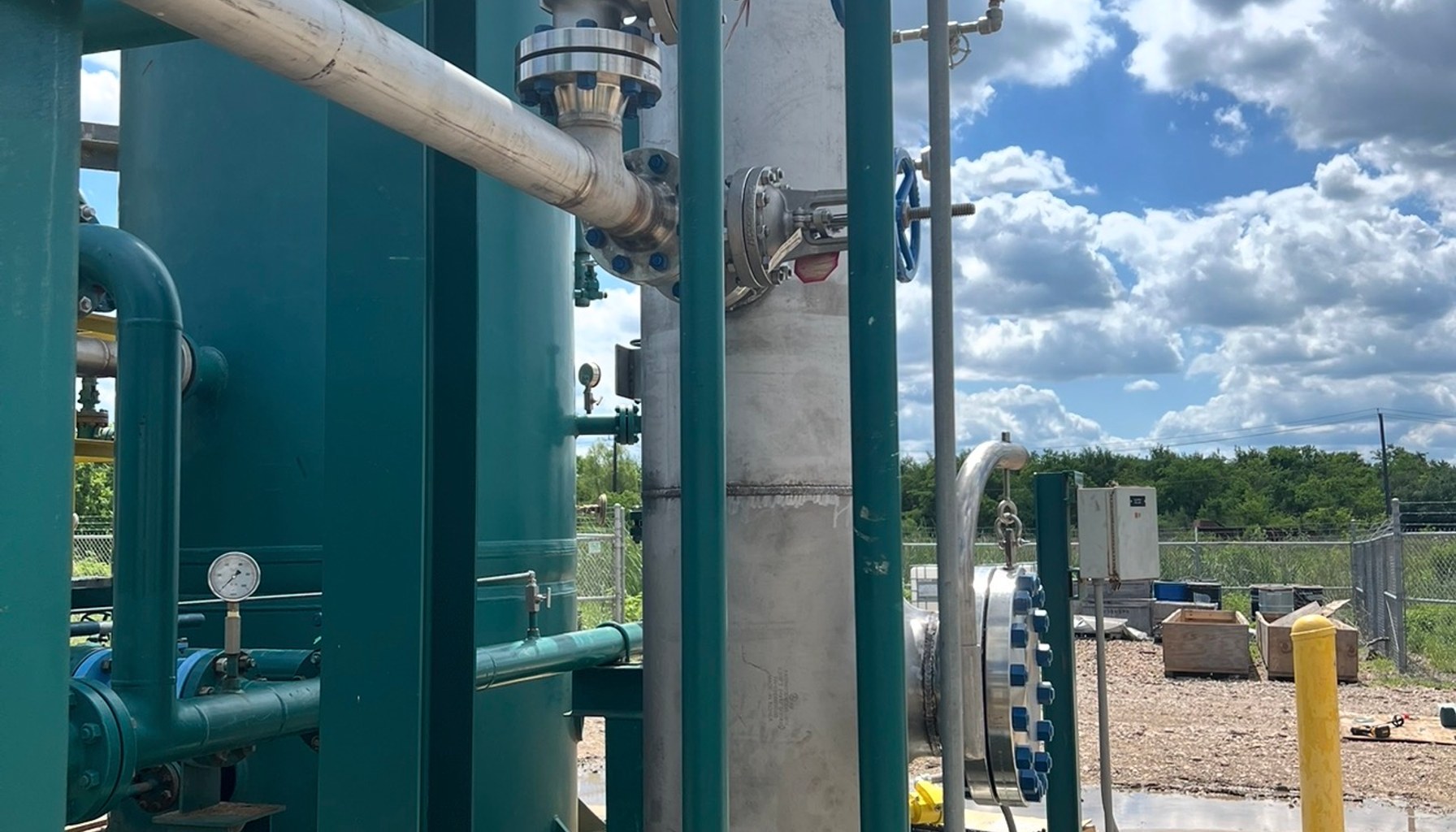
Heat exchangers finally earned their keep with data-backed maintenance.
A shift from calendar-driven checks to condition-based strategies is becoming standard in plants facing skilled-labor shortages and mounting downtime costs. In interviews with a maintenance expert, the thread is clear: when you quantify wear, corrosion, and fouling with sensors and analytics, heat exchangers stop being stubborn footnotes and start delivering measurable reliability. “Condition-based maintenance strategies have realized significant benefits for heat exchangers,” production data shows, signaling a broader industry pivot from reactive fixes to proactive care. The lesson, according to Javier Martinez, a sales engineer with Teadit, isn’t just about sensors; it’s about turning data into disciplined maintenance cadence.
The logic is simple, even when the math isn’t in the same room. Heat exchangers typically sit behind the plant’s most unforgiving heat and flow cycles, where unplanned outages ripple through throughput and yield. By instrumenting performance indicators—pressure drops, thermal performance, fouling rates—maintenance teams can forecast degradation before it triggers a failure. “Data-backed insights have opened a new world for reliability-centered upgrades,” the expert notes, underscoring how a skill-gap in the workforce is driving standardization and documentation as essential guardrails. In practice, that means fewer surprise outages and more planned, lower-risk interventions.
A key thread in the conversation is the labor squeeze. The industry-wide scarcity of skilled technicians makes it harder to rely on ad hoc troubleshooting and firefighting. The maintenance model is shifting toward something more systematic: standardized procedures, preserved by robust documentation, and guided by dashboards that tell you when to intervene. The plant floor is learning to trust condition-based signals rather than calendar dates, with heat exchangers serving as a proving ground. Floor supervisors confirm that maintenance teams can time interventions more precisely, reducing unplanned downtime and keeping operators in the loop about what’s happening—and why.
Not every plant will see the same payback, and the article stops short of cherry-picking a single, universal ROI. It points to variability in upfront investments, sensor coverage, and the quality of the data available for decision-making. Integration demands are nontrivial: you need space for sensors and data cabinets, reliable power feeds, and training hours to bring teams up to speed on new dashboards and workflows. Yet the payoff—lower risk of costly reactionary repairs and more predictable maintenance windows—appears steadily in the integration teams report and the ROI documentation many facilities are building as they go.
The narrative also highlights what remains outside the heat exchanger curtain. Even with better data, some tasks still require human judgment: complex disassembly, material inspection beyond what a sensor can see, and decisions about process changes that alter heat-transfer dynamics. Alarm fatigue is a real risk if alerts aren’t calibrated to plant-specific triggers. And while newer analytics can surface trends, the execution still hinges on mechanics who understand the plant’s unique geometry, flow regimes, and fouling profiles.
Looking ahead, the story suggests a tightening loop: data platforms feeding maintenance calendars, integrated with training and evolving standard procedures. Operators anticipate deeper reliability gains as maintenance scales from isolated heat-exchanger cases to broader plant-wide reliability-centered maintenance practices, guided by live data and disciplined documentation. If the trend holds, a future without costly, guesswork-driven downtime is within reach—and heat exchangers could very well be the trailblazers.
What to watch next is practical and pressing: ensure data quality is prioritized as passionately as the hardware itself; compare ROI across assets to avoid over-optimistic projections on complex systems; and prepare for a broader push into digital twins and cross-functional maintenance collaboration as data maturity deepens.
- Our maintenance expert offers can’t-miss adviceplantengineering.com / Source role not classified / Published APR 15, 2026 / Accessed APR 19, 2026