Kuka Unveils AI-Driven Automation 2.0
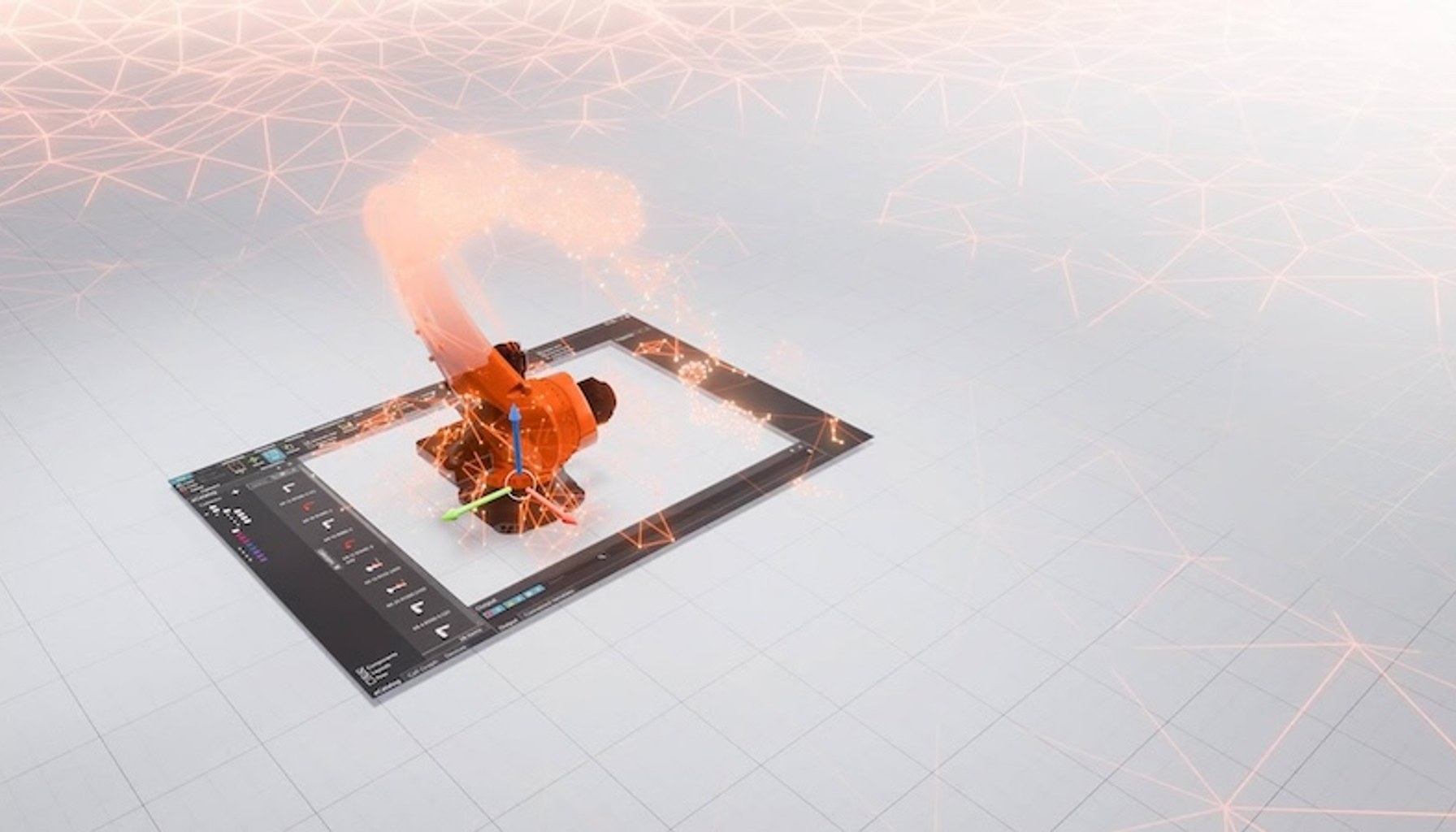
Kuka just declared AI is the new backbone of factory automation.
Kuka took the stage at Nvidia’s GTC in April 2026 to unveil Automation 2.0, a strategic push that braids artificial intelligence with industrial robotics to create more adaptive, autonomous manufacturing cells. The move sits squarely in what industry watchers have started calling “physical AI”—systems where machine learning, computer vision, and control software run in concert with hardware, not beside it. In practical terms, Kuka intends to move beyond one-off demonstrations toward deployable, learning-enabled automation that can reconfigure itself when product mix changes or defects appear.
The company’s message is deliberate: AI isn’t a garnish for a robotic arm; it’s the operating system for a modern cell. Vision systems, tactile sensing, and predictive logic would share data in real time with motion control, allowing robots to anticipate problems, adjust gripping pressures, or reroute tasks without waiting for a human to intervene. Nvidia’s presence at the event underscored a broader trend—edge-accelerated AI that lives on factory floors rather than in distant clouds. The rhetoric is ambitious: faster line changeovers, fewer reworks, and more autonomous decision cycles, all anchored by a data backbone designed to learn from every part that passes through the line.
But the talk also comes with caution. Integrating AI with real-world hardware is not a plug-and-play upgrade; it demands a disciplined data strategy, robust cybersecurity, and a fresh look at how lines are designed and operated. Production data shows a clear pattern: the value of AI-enabled automation amplifies when you close the loop between data from PLCs, vision sensors, and MES systems, and when you maintain model performance through continuous retraining and validation in the plant environment. Industry observers say the payoff hinges on disciplined deployment: clean data feeds, well-scoped tasks for the AI, and clear ownership for model upkeep. In other words, the promise is real, but the path to it is paved with integration challenges.
From a practitioner’s standpoint, two to four hard realities emerge. First, data readiness is non-negotiable. Without reliable streams from sensors, cameras, and control systems, AI can suggest improvements that never translate to real gains on the line. Second, ROI hinges on end-to-end integration, not the AI module alone; the most successful projects are those that connect AI-driven decision making to actionable robot actions, changeover routines, and quality feedback loops. Third, humans aren’t being benched; they’re redistributed. Operators and maintainers increasingly serve as coaches and supervisors for AI-driven cells, handling exceptions that the system cannot resolve in production-critical moments. Fourth, there are tangible floor-space and power implications. AI-enabled cells typically require additional computing hardware near the line, more robust electrical infrastructure, and training hours to bring staff up to speed on model behavior, data interpretation, and fallback procedures.
The commercial truth remains this: Kuka’s announcement signals a strategic shift, not a turnkey guarantee. The GTC reveal does not publish numeric ROI or payback metrics, and actual deployment numbers will only emerge once manufacturers run pilot lines, collect performance data, and quantify the impact on cycle times and defect rates. What’s clear is that Automation 2.0 is a bet on longer, smarter integration cycles and on a workforce that can collaborate with learning machines rather than merely supervise them. If the years ahead deliver, the payoffs could look like shorter cycle times, higher throughput, and fewer rework events—provided plants invest in data readiness, training, and the disciplined integration required to turn AI promises into plant-floor reality.
- Kuka outlines ‘Automation 2.0’ strategy, combining AI software with industrial roboticsroboticsandautomationnews.com / Source role not classified / Published APR 13, 2026 / Accessed APR 14, 2026