MoviĜo Launches Ŝharko5 Warehouse Platform
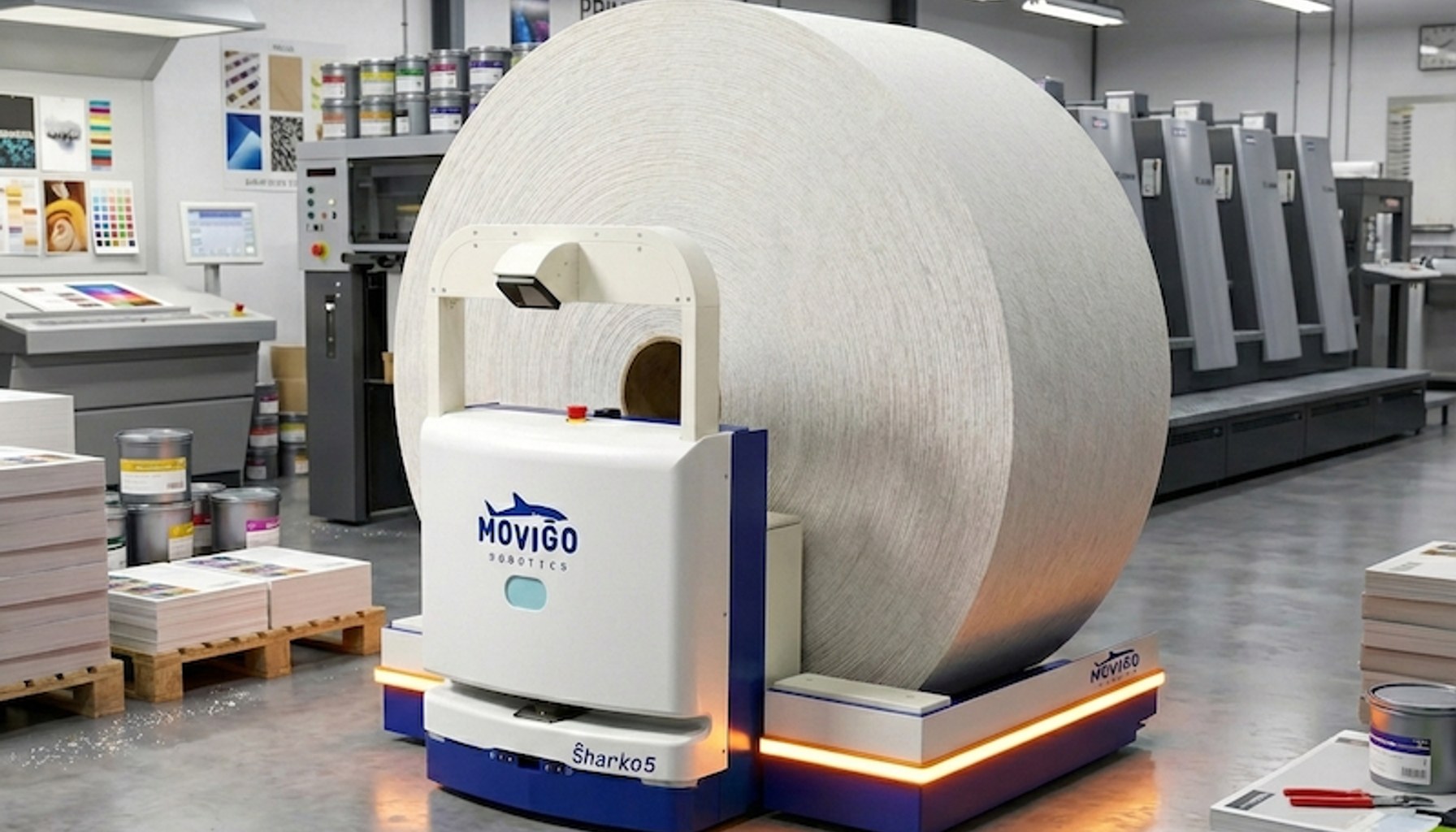
MoviĜo's new Ŝharko5 warehouse platform promises faster logistics—the ROI is the real test.
In a move that positions the company squarely in the center of modern production logistics, MoviĜo today rolled out the Ŝharko5 Technology Platform. The system couples autonomous robots with fleet management and process software, and it’s pitched as scalable for industries as varied as food and pharma to automotive and even the print sector. The platform is built on the proven tech lineage of the original Ŝharko5 robot, but moves from standalone units to a coordinated fleet capable of dynamic routing, task scheduling, and real-time visibility across a warehouse or distribution campus.
The technology is designed to tackle the core pain points that haunt warehouse projects: the friction between silos of automation and the realities of a live floor. The robots, designed to operate in production logistics environments, are paired with a software layer that plans movement, allocations, and charging cycles while coordinating with existing systems. In practice, that means a single platform can route a putaway task to the best idle unit, reschedule a picker to handle an exception, or push a late-detected batch to a backup line—all without a manual re-plot of the entire network.
Analysts and practitioners watching the sector say the platform’s promise rests on three pillars: hardware reliability, software orchestration, and the quality of integration with existing workflows. The robots bring the “do once, do right” repeatability that human pickers struggle to sustain at scale, while the fleet management and process software promise to transform a static equipment layout into an adaptive, data-driven operation. The industries named by MoviĜo—food, pharma, automotive, and print—each carry distinct requirements: strict traceability and hygienic considerations in pharma and food; serialization and high accuracy in automotive; and the heavy handling and long runs common in print. The Ŝharko5 platform is marketed as capable of adapting to those needs without a bespoke build for every site, a selling point for capital-stretched operations.
Still, the ROI conversation remains the decisive moment for most capital approvals. The company has not disclosed payback figures or unit-level improvements publicly, and experts caution that the economics hinge on a handful of variables that rarely stay constant across deployments. Throughput gains, cycle-time reductions, and labor reallocation depend on clean data, careful floor planning, and robust change management. In other words, a successful pilot is not a guarantee of a successful full-scale rollout—especially if the floor layout isn’t mapped for autonomous traffic, or if the warehouse IT stack isn’t ready for the additional data streams.
Two practitioner realities stand out for anyone evaluating Ŝharko5 as a platform play. First, integration is the gating factor. Fleet management and process software require a clear interface with the warehouse management system, ERP, and any conveyors or automated storage and retrieval systems already in place. That means IT and operations teams must align early on data schemas, event triggers, and exception handling. Second, training and operating expense will be a meaningful line item. Beyond installing the robots, teams must budget for operator coaching, maintenance- technician readiness, and ongoing software licensing or subscription costs. Without a disciplined training plan, the expected gains can slip away as operators struggle with new workflows or as the platform sits idle while the fleet waits for a governance decision.
One potential pitfall is the human factor on the floor. While the platform aims to reduce idle walking and improve pick and put accuracy, there will always be tasks that require human judgment—quality checks, handling of irregular items, or emergency stoppages. The platform’s success will depend on how well it augments craft labor rather than replacing it, and how quickly managers can translate digital visibility into actionable floor decisions.
In short, MoviĜo’s Ŝharko5 platform arrives with a familiar pitch—robust, scalable automation paired with intelligent orchestration. The question now is practical: can the software deliver real, measurable improvements without demanding an unanticipated mountain of integration work and training? Early pilots will reveal whether the ROI math can stand up to real-world variability across food, pharma, automotive, and print operations.
- MoviĜo Robotics launches new warehouse robotroboticsandautomationnews.com / Source role not classified / Published APR 23, 2026 / Accessed APR 23, 2026