RaaS Alone Won’t Fix Warehouse Automation
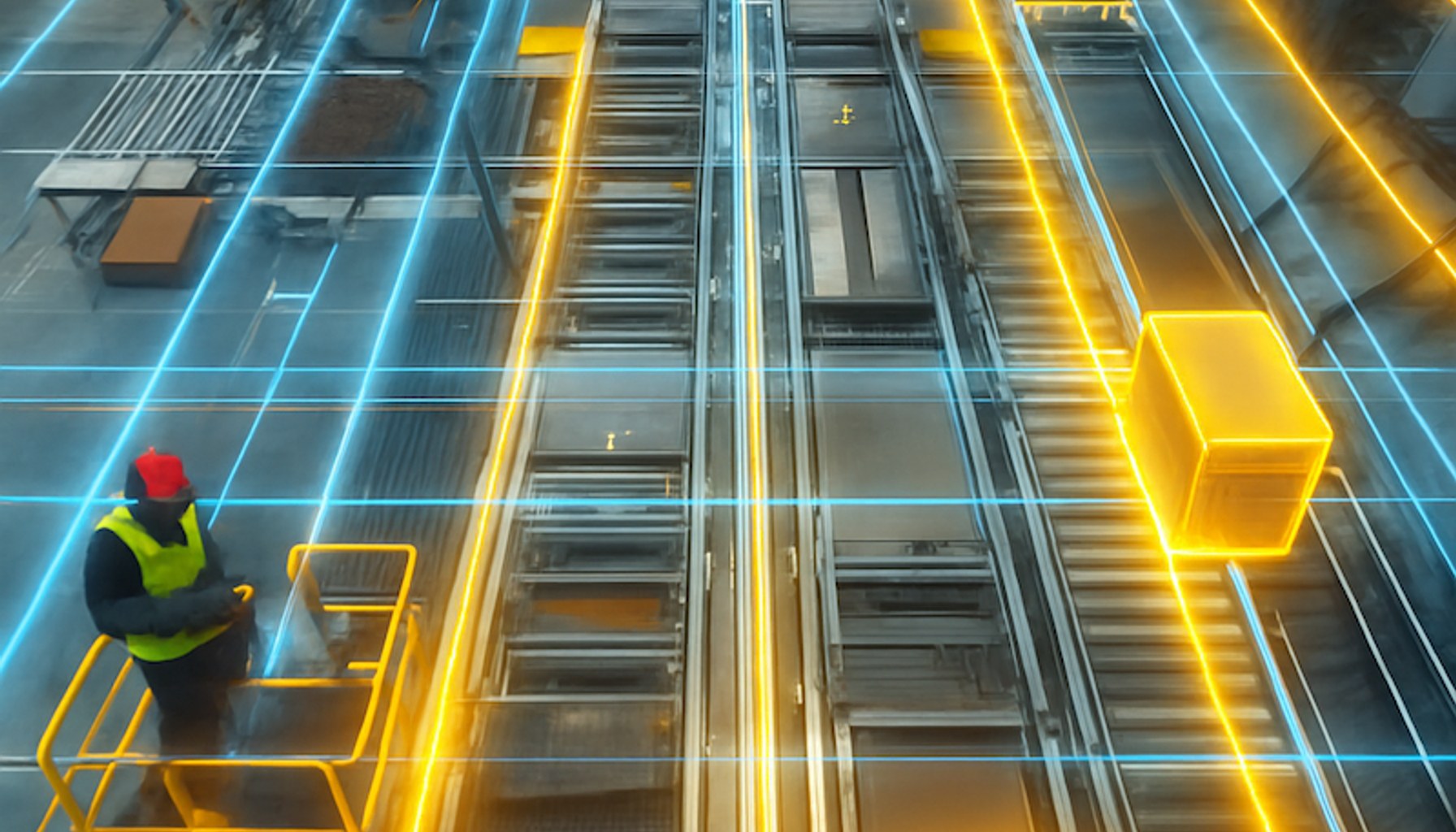
RaaS promises plug‑and‑play warehouses, but the real work begins after the invoice.
A recent read by Kevin Price lays out a blunt reality: robotics‑as‑a‑service alone won’t untangle the Gordian knot of modern warehouse automation. Operators chasing faster throughput and leaner cost bases are drawn to subscription models, but the bedrock issues—integration, training, and ongoing maintenance—don’t evaporate when the vendor ships the cobots.
From the floor to the C‑suite, the message lands with specificity: you don’t buy a robot and call it done. The big bets aren’t only hardware; they sit in the plumbing of the operation. Floor space has to be reimagined to fit robot cells, power draw must be budgeted, and data plumbing—WMS interfaces, ERP feeds, real‑time sensing—has to be wired and tested. A cobot can move parts, but it won’t know where to put them without a chorus of software and process changes behind it. “Plug‑and‑play” sounds neat in a demo; in practice, it becomes a multi‑month systems integration project with real‑world edge cases that vendors rarely trumpet.
The article emphasizes a truth often ignored in press decks: the integration costs are real and recurring. Floor space reconfiguration, upgraded electrical panels, and reliable networking aren’t “nice‑to‑haves” but prerequisites. And even if a RaaS package reduces upfront capex, it often merely shifts the cost into ongoing subscriptions, service levels, and software‑data fees that accumulate over time. Operational metrics show that uptime and predictable maintenance are the true gating factors for ROI, not the purchase price alone. Price’s analysis aligns with what floor supervisors report: success hinges on how well the automation talks to existing systems and how quickly teams can translate data into actionable work rules.
Hidden costs rarely appear in glossy brochures. Training hours to teach operators subtle handoffs between humans and automation, safety certification for new workflows, and ongoing competence checks are necessary investments. There’s also the “how‑to” of change management: the best automation sits unused if the workforce doesn’t trust or understand it. And let’s be blunt—the cobot isn’t a substitute for skilled trades in every case. When a line needs conveyor handoffs, electrical rework, or rugged housing for harsh environments, you still call the same technicians who used to wire the line by hand. The integration team’s work extends beyond software licenses to the real, often messy, on‑the‑floor configuration.
From a practitioner's lens, two lessons stand out. First, plan the deployment as a program, not a product: define interfaces with the WMS/ERP, map the data flows, and budget for training and change management alongside hardware. Second, measure ROI with real, observed metrics—not vendor claims: cycle time improvements and throughput gains must come with verifiable uptime, reduced rework, and predictable maintenance costs. In short, RaaS can accelerate the path to automation, but it’s no silver bullet. The numbers CFOs crave come from disciplined integration, rigorous training, and a clear view of total cost of ownership over the life of the system.
As the industry leans into subscription models and remote services, executives should demand explicit roadmaps: integration requirements, training hours, and a transparent breakdown of ongoing costs. The post‑demo reality is that success rests on the boring, essential work of wiring, teaching, and sustaining—areas where a vendor’s cadence rarely matches a facility’s operational tempo.
- Robots on demand: Why robotics-as-a-service on its own won’t solve warehouse automationroboticsandautomationnews.com / Source role not classified / Published APR 23, 2026 / Accessed APR 23, 2026