Musk looks flat in Day One of Altman trial
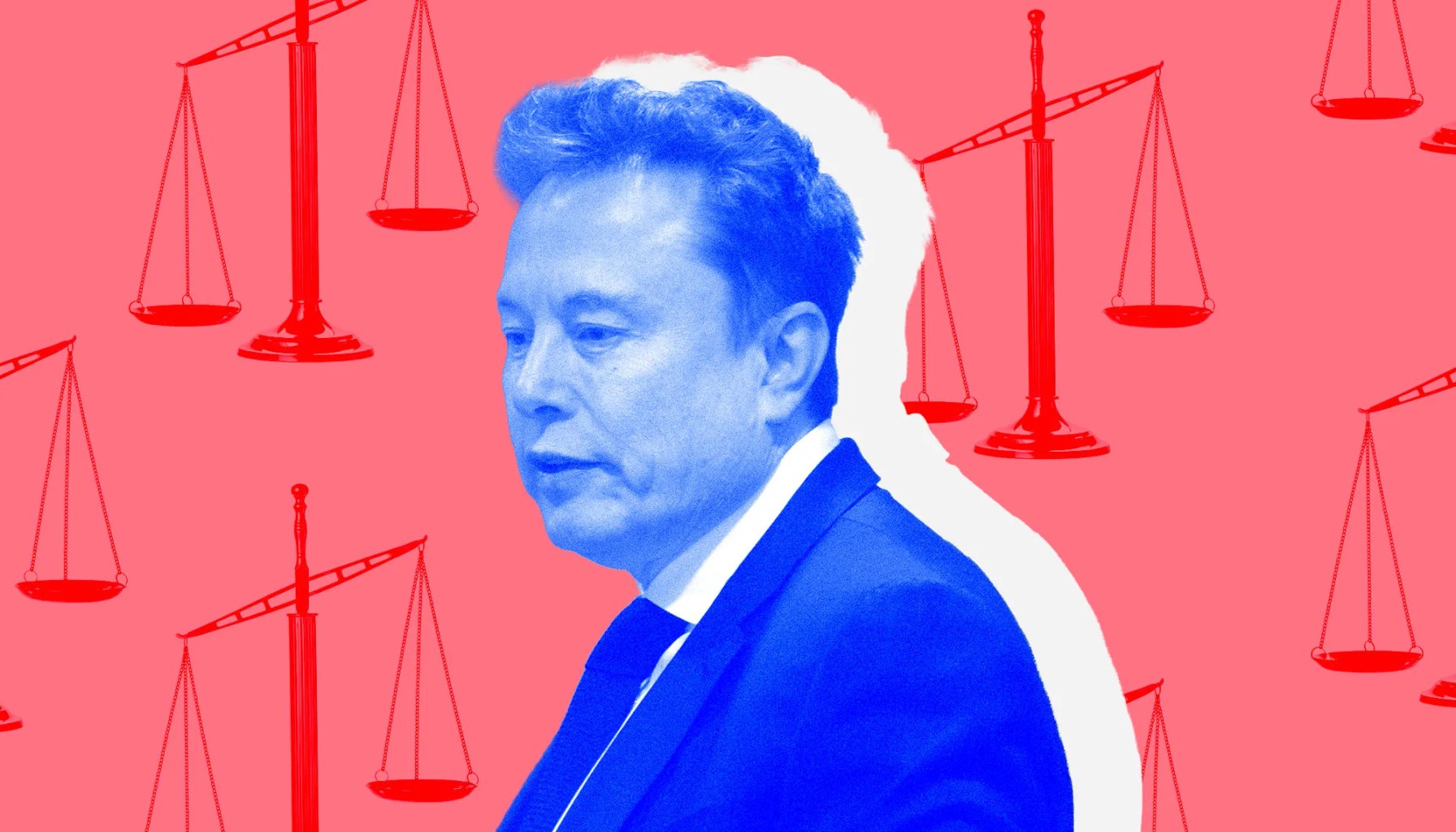
Elon Musk showed up flat and unprepared for Day One in the Musk v. Altman trial.
The Verge’s live recount framed the opening as a player who seemed more self-possessed than mission-driven, a contrast the courtroom quickly reinforced. The first witness sworn in was Musk himself, a moment that amplified the spectacle as much as the substance. According to observers, Musk’s demeanor leaned toward the flat and composed, with bursts of animation only when he pivoted to boast about what he claims to have done for OpenAI. The overall impression, the outlet noted, was of a performance focused more on personal narrative than on the stated charge of whether Sam Altman and the OpenAI leadership strayed from the organization’s mission.
Direct examination, experts say, is a courtroom craft that tries to tell a story through questions rather than proclamations. The Verge highlighted that Musk’s appeal to the jury hinged on a personal arc, including his contributions, his vision, and his influence, yet the narrative risked becoming a vanity play rather than a clear account of corporate intent. In a case that centers on whether leadership drifted from a stated mission, the way a witness frames events can matter almost as much as the events themselves. Musk’s emphasis on his own role, the article implied, risks muddying the line between founder influence and organizational direction.
From a consumer tech and AI governance perspective, the day underscored a broader pattern: the reputation of the people behind the product often bleeds into how the technology is perceived. OpenAI’s mission is a touchstone for users and buyers of AI services who want to know whether their tools are guided by a coherent purpose or a constellation of personal agendas. The trial’s framing, whether Altman’s leadership diverged from that mission, will, in the court of public opinion, translate into a question about trust. Do the people at the helm share a consistent framework for product development, risk, and public accountability, or are there competing instincts that could ripple through product roadmaps and user expectations?
For practitioners and everyday readers weighing AI tools in real life, a few takeaways emerge. First, the cadence of testimony matters; when a witness leans into self-presentation rather than a tightly argued case about mission alignment, jurors may remain skeptical about the underlying governance signals guiding product decisions. Second, when a high-profile founder is involved, public sentiment can pivot quickly between admiration and concern about control. That dynamic can translate into consumer hesitancy toward widely used tools, even if the technology itself remains technically sound. Third, the case highlights a practical reminder for AI teams: governance signals, including documented goals, measurable milestones, and transparent communications, are not abstract luxuries but concrete risk mitigations that can survive scrutiny in both court and market. And fourth, all eyes will watch the cross-examination next because admissions in that phase can quietly recalibrate the story for jurors and for users who rely on OpenAI’s tools for work, education, or entertainment.
What comes next will matter for the public face of AI, not just the courtroom. If the cross-examination pressures a crisp articulation of mission alignment, OpenAI enthusiasts and critics alike will parse those lines for clues about product direction and accountability. If, instead, the testimony devolves into competing narratives about personal influence, the episode could deepen skepticism about governance amid rapid innovation.
In hands-on terms, this is a reminder that the human story behind AI governance can influence the way people think about the tools they rely on every day. The court may decide a narrow question of mission drift, but the public takeaway could be a broader caution about how much trust we invest in the people guiding our most transformative technologies.
- Elon Musk appeared more petty than preparedtheverge.com / Source role not classified / Published APR 28, 2026 / Accessed APR 29, 2026