Musk vs Altman OpenAI trial could reshape consumer AI
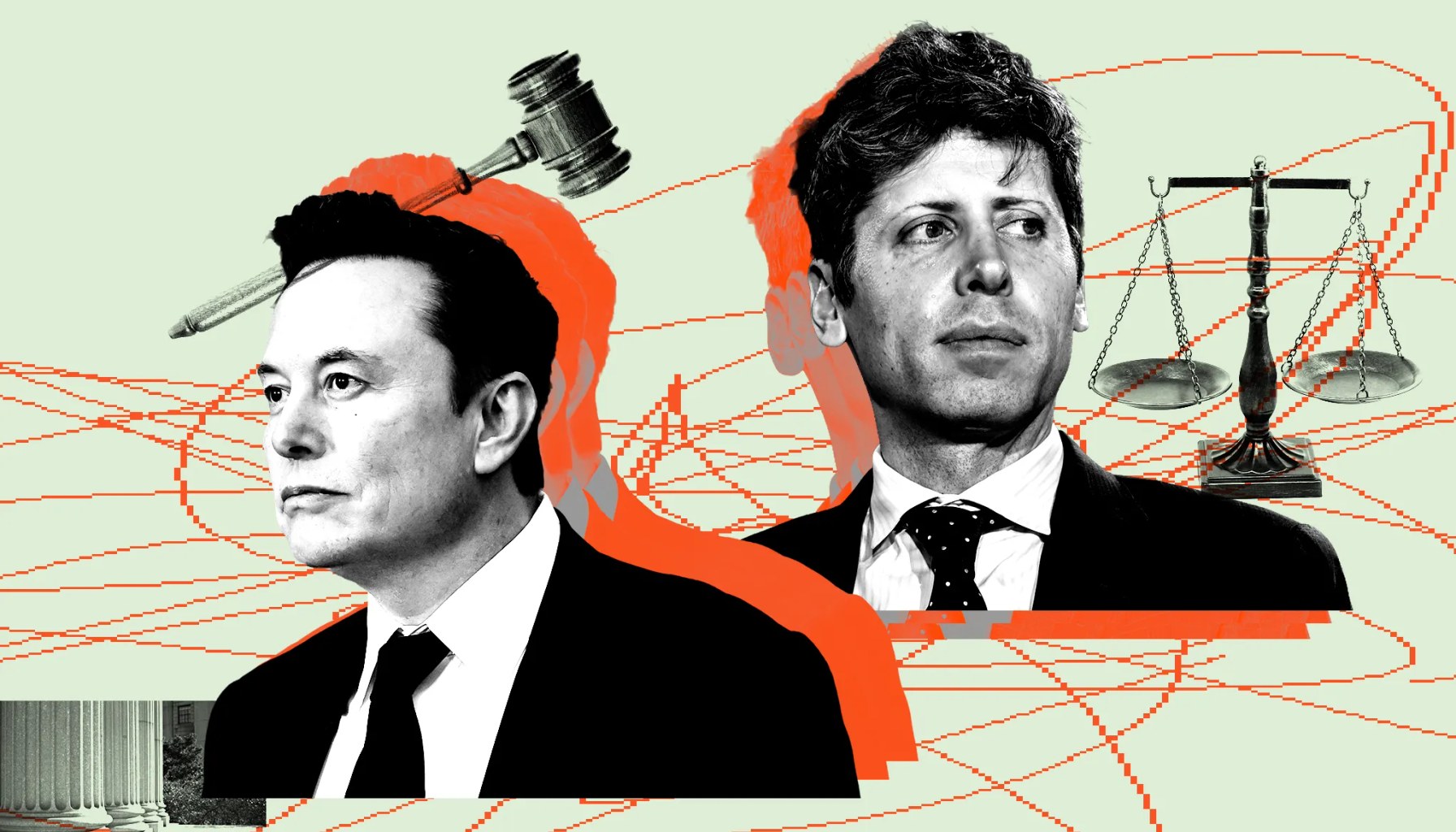
Elon Musk took the stand today in a court battle that could rewrite how we use AI.
Live updates center on a high-stakes showdown over OpenAI's mission, profit motives, and who should steer the company that feeds our everyday AI tools. Musk, a founder who helped seed OpenAI, argues that Altman and Greg Brockman manipulated him into funding a venture he says later drifted from its founding aim to "benefit humanity." OpenAI counters that the lawsuit is a jealous bid to derail a competitor and a transparent attempt to rekindle a rival empire, including SpaceX, xAI, and the Grok project.
The courtroom drama lays out the high drama about the governance and future of a product many consumers rely on daily: ChatGPT and related AI services. Musk's suit seeks the removal of Altman and Brockman and asks that OpenAI stop operating as a public benefit corporation. He's also pursuing astronomical damages, up to $150 billion if he prevails, a figure that underscores how much is at stake beyond personal pride. OpenAI has fired back with a familiar refrain: the case is baseless, designed to stall a competitor, and ignores how the company has evolved since its early, mission-driven days.
For ordinary users, the legal wrangle raises a practical question: could a leadership shakeup or a shift in OpenAI's corporate structure slow down or change the way familiar AI features appear in our apps? The core tension (whether the company should prioritize a public-benefit mission or maximize profits for investors) could shape product cadence, pricing, and how OpenAI negotiates with partners that integrate its tech into consumer services.
In practical terms, the case could influence two big consumer realities. First, governance matters for trust. If the trial foregrounds questions about why OpenAI makes particular safety and usage decisions, users might see longer, more conservative turnarounds on features, or more rigorous human oversight on sensitive prompts. Second, capital and strategy. If OpenAI faces deeper scrutiny over its nonprofit-to-profit shift, we could see tighter fundraising constraints or more aggressive partnerships with investors who demand rapid, scalable results. Either trajectory would ripple through updates you notice in everyday tools, from ChatGPT's responsiveness to how clearly a given feature is labeled as premium or supported by public-benefit commitments.
Industry observers say the case also matters beyond OpenAI. Musk's critique dovetails with broader debates about AI governance and "destination" control of a technology that increasingly touches consumer wellness, education, and work. Grok, the rival vetted by xAI, looms in the background as a reminder that the AI market remains a multi-front battle between speed, safety, and accountability. If the court redefines OpenAI's mission or governance, expect faster pivots in how competing services position themselves to consumers who want both performance and transparency.
From a practical perspective, two to four concrete takeaways emerge. First, governance clarity directly affects product risk. When leadership shifts are on the table, product teams slow down to revalidate safety, data handling, and service commitments, potentially delaying features you're waiting for. Second, the case spotlights the fragility of "mission-driven" branding in consumer tech. If the court signals that a for-profit path can coexist with public-benefit ideals, expect more explicit disclosures about how profits influence feature development and pricing. Third, market dynamics could tilt toward bigger, better capitalized bets if investor confidence in OpenAI's direction is unsettled, which may affect partnerships and the pace of integration with third-party apps. Fourth, consumer expectations will hone in on accountability; users will demand clearer explanations of why a feature behaves a certain way, especially around safety controls and data use.
The courtroom will keep delivering updates, but for now the outcome could redefine how you experience AI in the wild, whether your next prompt lands with a familiar warmth or a cautious, audited precision.
- Live updates from Elon Musk and Sam Altman’s court battle over the future of OpenAItheverge.com / Source role not classified / Published APR 28, 2026 / Accessed APR 29, 2026