Netherlands Approves Tesla FSD Supervised
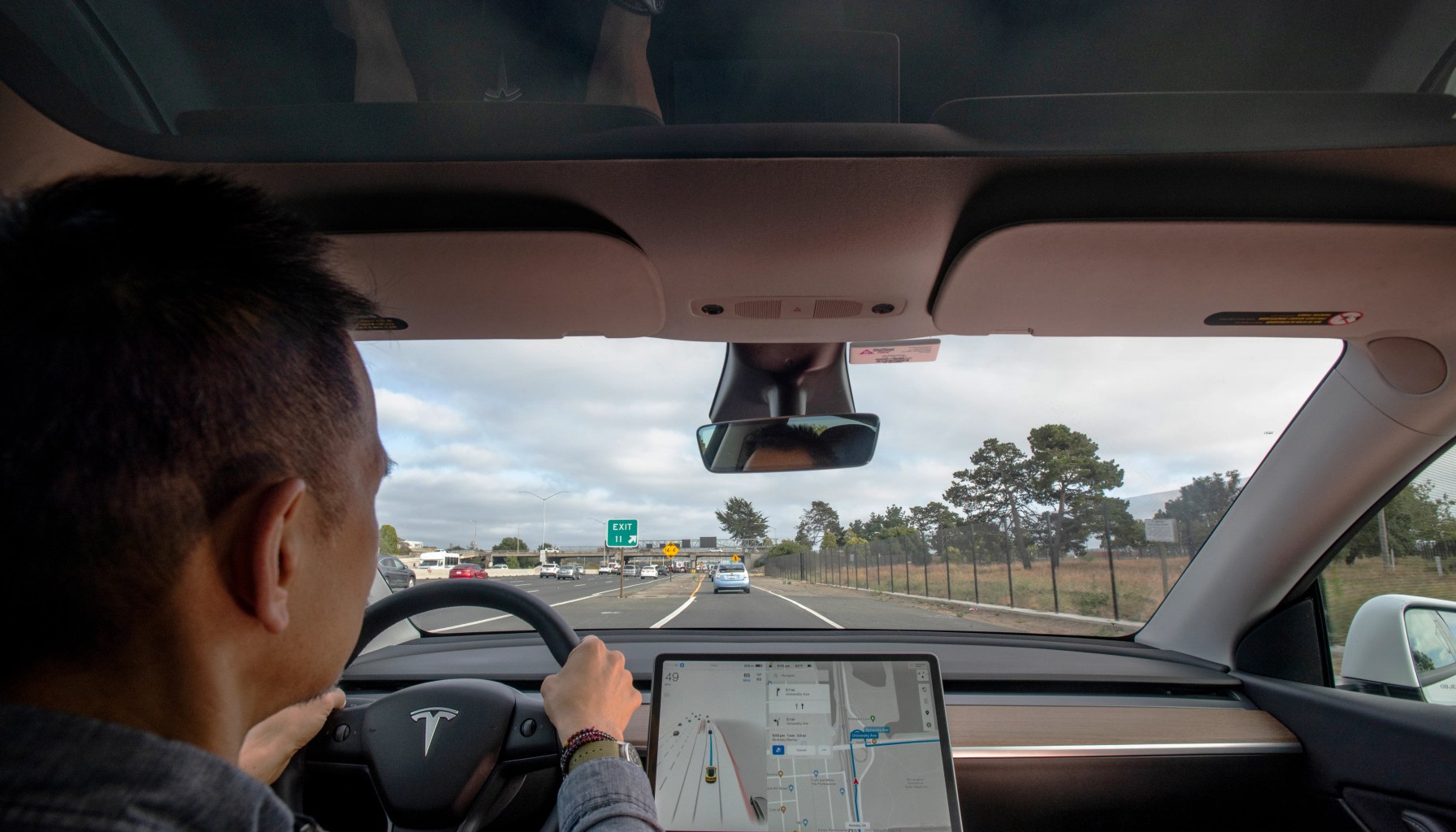
The Netherlands just greenlit Tesla’s supervised Full Self-Driving on public roads.
Dutch regulators, the RDW, announced the decision after more than a year and a half of testing, making the Netherlands the first European country to authorize FSD on real roads. Tesla’s European headquarters sits in Amsterdam, a fact the RDW noted with a practical nod to the country’s role as a testing ground for the automaker’s software ambitions. The approval signals a cautious but concrete step toward broader EU adoption, at least for a driver-supervised system rather than a fully autonomous car.
The RDW framed the ruling around a simple premise: driver assistance systems, when used correctly, can contribute to road safety because the driver remains engaged in the driving task. In its statement, the regulator said that Tesla’s supervised FSD “makes a positive contribution to road safety because the driver is supported in their driving task.” In other words, this isn’t a license to nap at the wheel; it’s a formal recognition that, under supervision, the system can take over certain driving tasks while a human remains ready to retake control.
For everyday motorists, the development means a new option on Dutch roads—one that could, over time, influence how Teslas are sold and operated in Europe. Yet the approval is narrow in scope: it applies to the supervised FSD feature, not a ubiquitous, fully autonomous taxi service. European drivers may soon see Tesla refine maps, software updates, and safety checks to stay aligned with local traffic laws and speed rules, all while the driver keeps a watchful eye on the road.
Industry watchers say the news matters beyond the Netherlands. It marks an early, tangible delta in Europe’s approach to automated driving and could set a precedent for neighboring countries weighing similar approvals. But 1) a single country’s sign-off does not equal EU-wide validation, and 2) the regulatory path for full autonomy remains lengthy. In practical terms, Dutch Tesla owners could begin testing supervised FSD on roads, but rollout and acceptance will hinge on ongoing performance, safety data, and interoperability with EU standards.
From a consumer perspective, the stakes are as much about reliability as about policy. FSD features have long lived under a cloud of marketing hype versus real-world capability, and Europe’s stricter privacy and safety regimes heighten the scrutiny. If the Netherlands proves that supervised FSD can deliver meaningful safety margins without removing driver oversight, other EU regulators might follow—especially in markets where Tesla’s footprint is strongest or where local automakers push back against rapid autonomy timelines.
What to watch next: how quickly other European regulators respond, whether the EU coordinates a harmonized framework for supervised autonomy, and how Tesla adapts its software to EU road rules and data policies. Expect more granular requirements around how and when the human driver must intervene, how driving data is stored or shared, and how updates are validated against local traffic rules. If the EU moves in a coordinated direction, the Dutch milestone could become a strategic waypoint in a longer, more shared road toward semi-automated driving across Europe.
In hands-on reviews, testers will be watching not just the car’s lane-keeping or auto-merge, but how consistently the system defers to the driver in edge cases—roundabouts, dense urban corridors, and mixed road surfaces. The Netherlands’ move proves regulatory appetite for tested technologies exists; now the longer arc—fleet adoption, cross-border use, and privacy safeguards—will define how much of this becomes commonplace.
- The Netherlands is the first European country to approve Tesla’s supervised Full Self-Drivingtheverge.com / Source role not classified / Published APR 11, 2026 / Accessed APR 12, 2026