No-code cobot paints in-house, reshaping finishes
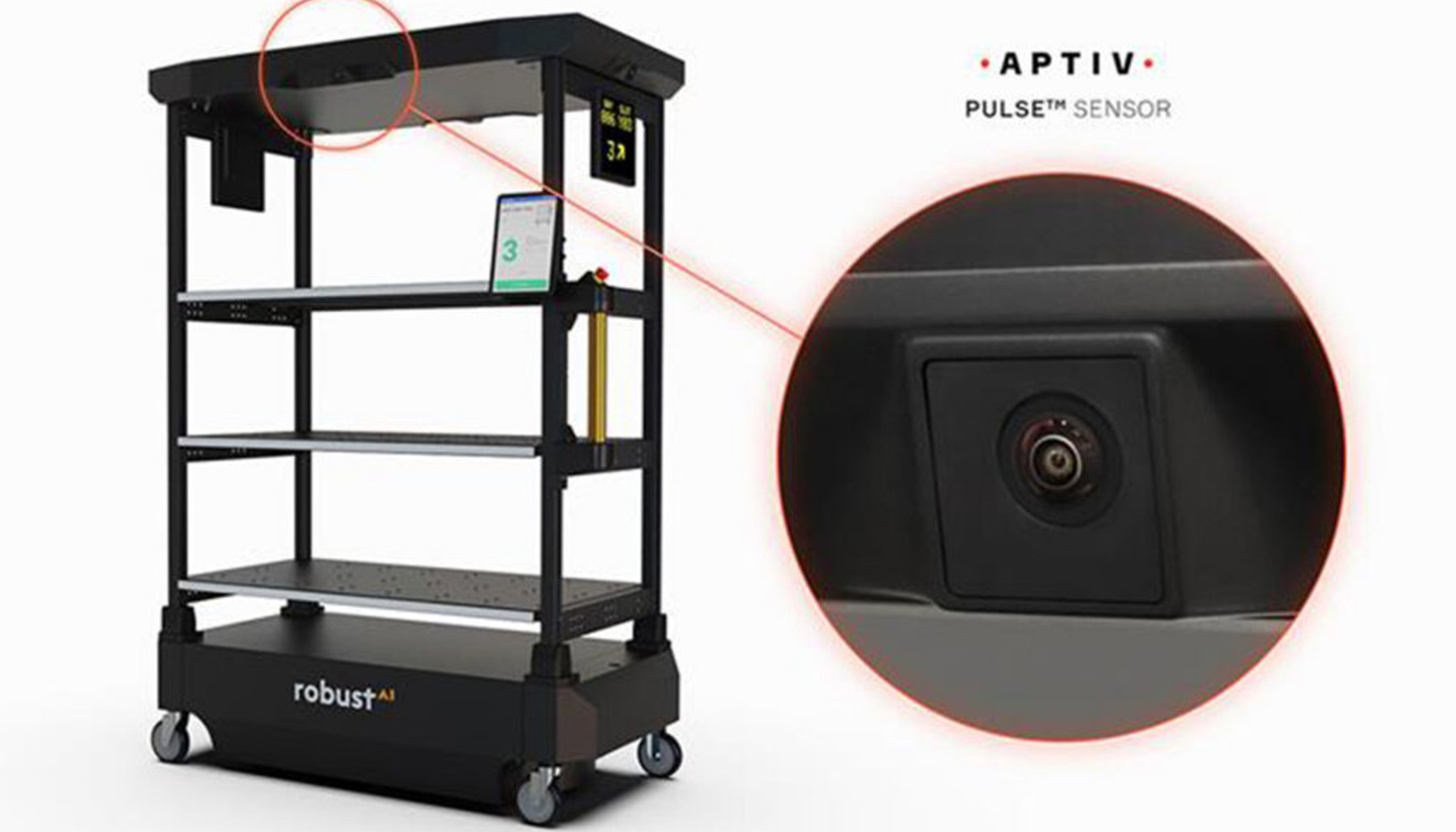
Image / The Robot Report
Hirebotics is pushing a new path for metal fabricators who want in-house finishes without the usual complexity or capital hit. Its Cobot Painter is an explosion-proof finishing system built on FANUC’s CRX-10iA/L Paint hardware and the firm’s no-code Beacon platform. The pairing is pitched as a high-mix, low-volume alternative to manual spraying and traditional automated lines, aimed at shops that want control over lead times, quality, and margins without hiring robotics specialists.
The core promise is simple: you don’t need a dedicated paint cell or a full automation overhaul. The Cobot Painter is designed to live inside existing spray booths, or nearby, and it can be deployed in days rather than months. Matt Bush, co-founder and CEO of Hirebotics, stresses that the system eliminates the need for dedicated paint cells and complex programming. In practice that means fabricators can bring coating work in-house, maintaining tighter control over each job’s schedule and finish, while keeping capital and running costs modest.
What makes the offering feasible is the combination of rugged hardware with a no-code control layer. The Cobot Painter uses FANUC’s explosion-proof platform, paired with Hirebotics’ Beacon software to let non-specialists configure and monitor coating tasks. The approach is presented as a practical bridge for shops that previously outsourced painting or relied on bespoke automation projects that could easily run into delays, rewiring, or specialized tooling. In this view, automation becomes a tool for operations rather than a mystery that requires a new cadre of technicians.
From an operations standpoint, the appeal is the elimination of bottlenecks tied to paint capability. Shops can run multiple coatings or finishes as needed, moving quickly from one job to the next without reconfiguring a complex production line. The narrative emphasizes flexibility: a portable, lightweight solution that doesn’t demand a full-blown coating cell, and a platform that keeps people in fabricating roles, such as welders, inspectors, and assemblers, while extending their capabilities with automated assistance where it matters most.
There are clear practical constraints to watch. The system’s value rests on proper integration with the existing booth, exhaust, and ventilation systems, plus reliable supply of coatings and cure cycles that fit the shop’s workflow. The tradeoff picture includes the need to manage paint chemistry, transfer efficiency, and surface prep quality within a flexible automation setup. Because the Cobot Painter is designed for high-mix, low-volume work, throughput is less about raw volume and more about consistent finish quality across a range of part geometries. In practice, the system aims to reduce rework and outsourcing costs, which can be a meaningful ROI lever for shops operating with tight tolerances and variable demand.
Labor implications are a notable centerpiece. The system is pitched as a way to empower fabricators and line workers to automate finishing without hiring a new cadre of painters or programmers. In Hirebotics’ framing, the Cobot Painter is affordable, flexible finishing that can be coordinated by shop personnel rather than automation specialists. That positioning matters for plant managers and CFOs who weigh the total cost of ownership and the risk of underutilized automation assets. It implies a shift in how workforce training is approached, upskilling existing operators to program, monitor, and troubleshoot a paint cell rather than standing up a costly, bespoke line.
As adoption grows, the practical next steps for facilities evaluating this path are clear: assess whether the existing booths can absorb a portable automated painter, confirm ventilation and coating compatibility, and map how the system would capably handle the shop’s mix of coatings, cycles, and cure times. In other words, a no-code solution can unlock a faster path to in-house finishing, but the operator still must manage painting outcomes the same way they manage any critical process, with data, discipline, and a clear view of where automation adds value.
- Hirebotics offers no-code, explosion-proof cobot for paintingThe Robot Report / Trade / Published JUN 25, 2026 / Accessed JUN 26, 2026
- Robust.AI chooses Aptiv PULSE sensor for Gen 3 Carter mobile robotThe Robot Report / Trade / Published JUN 25, 2026 / Accessed JUN 26, 2026