Panic buys flood PCs as memory costs loom
By Riley Hart
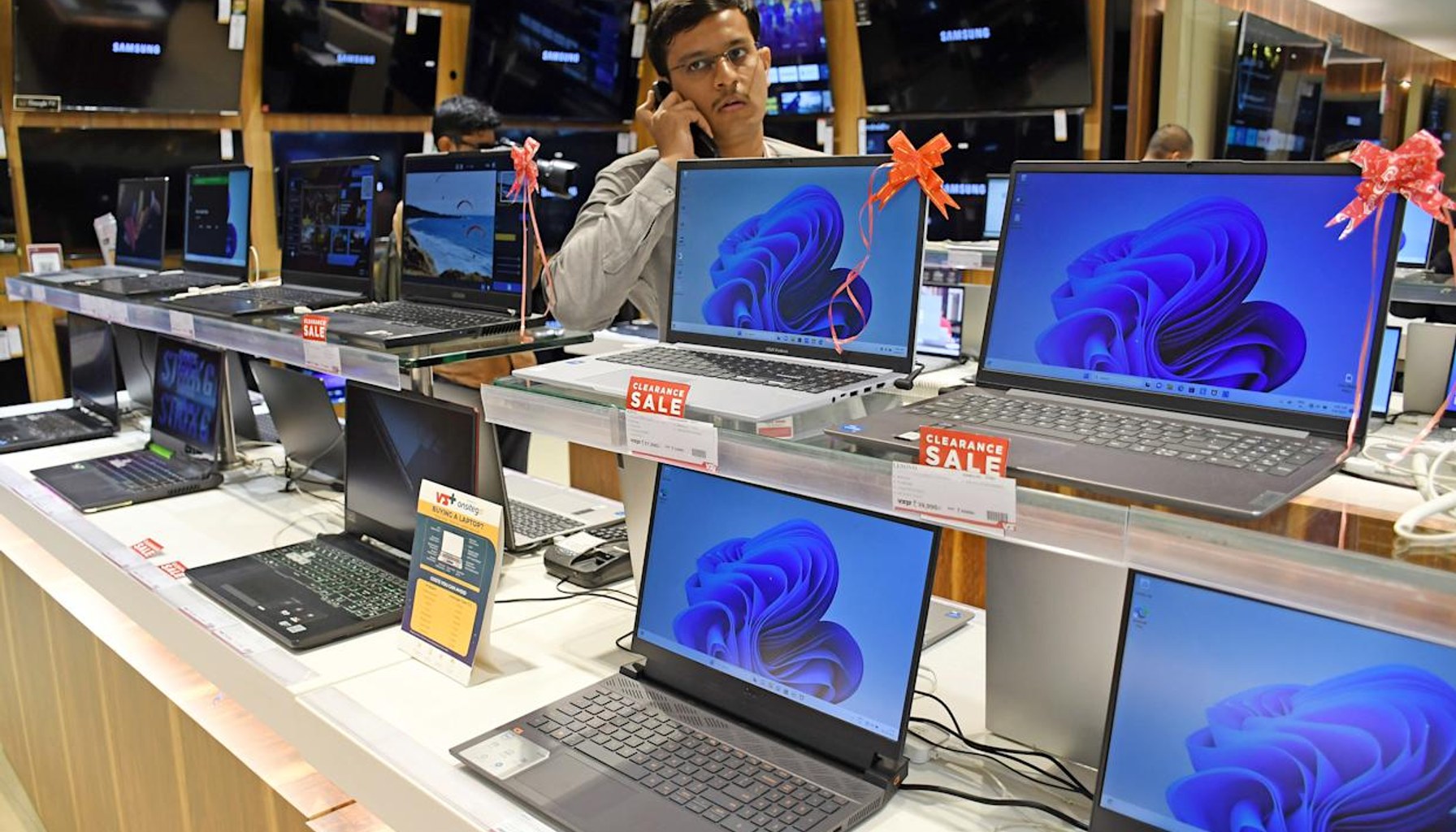
Image / engadget.com
Shoppers stormed PC aisles to dodge a looming RAM spike.
Analysts say a surge of pre-emptive buying helped lift PC shipments in the first quarter of 2026, as memory-driven price hikes loomed over the market. Counterpoint Research data show global PC shipments rose about 3.2 percent year over year in Q1 2026, totaling roughly 63.3 million units. The lift wasn’t broad-based across every brand, but it was pronounced among the five high-end players, with Lenovo maintaining the largest slice of the market at about 26 percent and Apple posting a solid gain.
Apple’s PC performance stood out, up about 11 percent year over year. The boost, analysts say, tracks not just its familiar premium lineup but new updates to the M5 family and the arrival of a more affordable entry point—the MacBook Neo, priced around $600, which appears to be widening Apple’s addressable audience. In contrast, HP’s growth cooled, slipping about 5 percent, while Lenovo, ASUS, and Dell joined Apple in delivering gains.
The mood among buyers reflected a broader concern: AI-era demand is ripping through memory and storage, and price pressures are creeping into the retail aisle. Counterpoint Senior Analyst Minsoo Kang warns that aggressive AI infrastructure investments are lifting component costs, a trend likely to drive up prices for CPUs and other essentials. In practical terms, that means today’s “RAM spike” isn’t just a momentary blip; it could translate to higher sticker prices across midrange and premium PCs in the months ahead.
There’s also a consumer-specific driver behind the panic-buy dynamic. The article notes that Windows 10 support ended last year, nudging some customers to upgrade sooner rather than later, even if their current machines were still functioning. That end-of-life cycle compounds the stockpiling impulse: if you expect price volatility or potential shipping delays on memory and storage, buying earlier becomes a defensible move for buyers staring down a larger bill later.
Practitioner insight: what this means for buyers is simple but real—don’t expect prices to normalize quickly. If you’re deciding between a midrange laptop and a cheaper desktop upgrade, consider that memory- and storage-tightness can cast a longer shadow than a single quarter. The “buy now” impulse may protect you from a spike, but you could also ride a temporary oversupply in specific SKUs if retailers pull back orders to rebalance inventory. The best move is to lock in configurations you actually need (RAM, storage, GPU) rather than chasing the hottest deals.
Practitioner insight: from a supply-chain perspective, AI-driven demand means component costs are less about current supply and more about who’s financing the next round of memory and silicon fabrication. That translates into steadier price floors and more frequent SKU-level price changes, not dramatic year-end discounts. If you’re a performance-focused buyer, plan for future price shifts and price-to-performance curves rather than one-off promotions.
Practitioner insight: the MacBook Neo’s emergence hints at a broader market shift—entry-level pricing can reshape demand curves even when premium options remain available. Expect more OEMs to try to blend affordability with enough performance to lure price-conscious buyers who previously leaned away from PC upgrades during a volatile memory cycle.
Practitioners and shoppers alike are watching whether memory prices stabilize as AI investment continues, or whether cost pressures push component prices higher across the board. For now, the panic-buy wave appears to have seeded a cautious optimism in the PC market—consumers signaling they’re willing to spend more to avoid being caught out when memory costs spike again.
Sources
Newsletter
The Robotics Briefing
A daily front-page digest delivered around noon Central Time, with the strongest headlines linked straight into the full stories.
No spam. Unsubscribe anytime. Read our privacy policy for details.