Payback Arrives Through Smart Integration
By Maxine Shaw
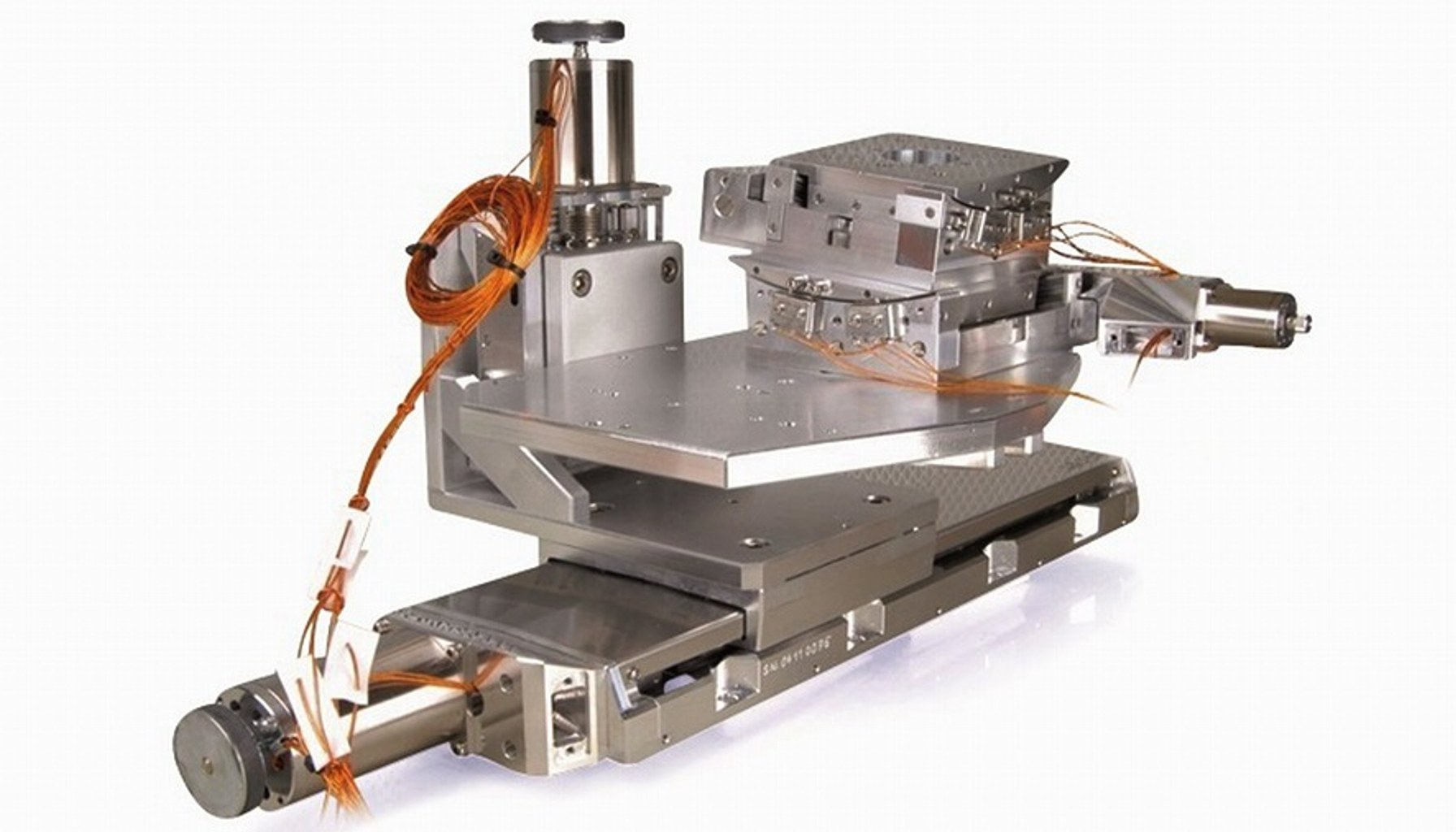
Image / controleng.com
The cobot finally paid for itself.
Across automation outlets, the lesson is clear: a robot cell can boost throughput, but only if you treat integration like a multi-month program, not a vending-device demo. Production data shows that cycle-time gains and reliability aren’t automatic; they hinge on deliberate planning for power, space, software, and—crucially—training.
Industry observers emphasize that the ROI sweet spot emerges when the deployment is treated as an engineering project, not a purchase order. Integration teams report that a cobot’s success depends on aligning control software, safety interlocks, and fixture changes before the line goes live. Floor planners confirm that even modest misalignments between a vendor’s blueprint and the factory floor can cascade into outages and rework. ROI documentation reveals that the strongest paybacks come from end-to-end execution: upfront space planning, validated power delivery, and a formal training plan that actually transfers know-how to operators and maintenance staff.
Yet the path is littered with hidden costs vendors rarely disclose. Internal audits and field notes show that the sum of safety guard installation, tooling changes, and software licenses can offset a portion of the initial hardware savings. Operational metrics show that a lean deployment schedule—one that bottlenecks on PPE, testing, and change management—will erode potential gains. In other words, the “seamless integration” pitch rarely survives the first week of real-world debugging without a committed budget for labor hours and hands-on troubleshooting.
Where the real value shows up is in sustained operator engagement. Floor supervisors confirm that when training is baked into the project plan, the line’s uptime stabilizes faster and cycle-time improvements stick. The result is not merely a one-off efficiency spike; it’s a stabilized flow that scales as the team learns to blend human and robotic dexterity. The best deployments also leverage a clear handoff to maintenance—so the cobot doesn’t become a one-off demo that gathers dust after go-live.
The takeaway for plant leaders is pragmatic: a successful automation project requires more than a purchase order and a vendor visit. It demands explicit investment in integration effort, training hours, and the extra floor-space and power that a cell will require. When those pieces are in place, production data shows the lab-tested improvements translate into real throughput gains and a measurable payback period—often the difference between funding a second line and watching the plant stay status quo.
What we’re watching next in industrial
Sources
Newsletter
The Robotics Briefing
A daily front-page digest delivered around noon Central Time, with the strongest headlines linked straight into the full stories.
No spam. Unsubscribe anytime. Read our privacy policy for details.