Peak and Jacobi launch AI-driven mixed-case palletizing
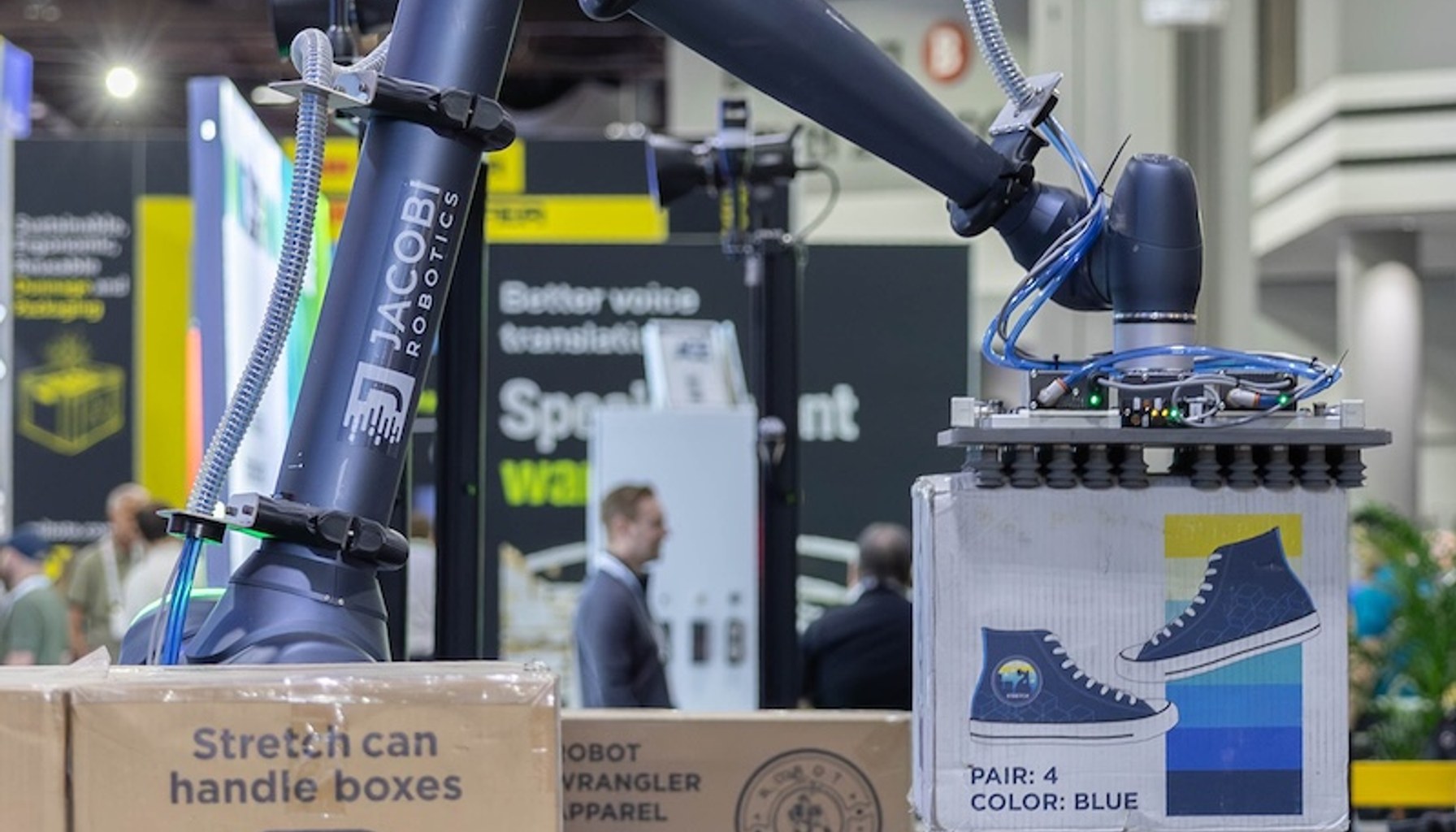
AI-powered palletizing finally handles mixed cases—and the ROI is real.
Peak Technologies and Jacobi Robotics have announced a strategic partnership aimed at delivering next-generation mixed-case palletizing in complex warehouses and distribution centers. The joint effort centers on Jacobi’s OmniPalletizer, billed as a physical AI platform designed to optimize how varied-sized items are buffered, sorted, and sequenced into pallets. In practical terms, the alliance targets the long-standing pain point that makes mixed-case pallets a sticking point for automation: handling variety without bottlenecks.
Industry observers say the move marks a notable shift from glossy demos to deployable capability. The combined offering is positioned as a turnkey approach to mixed-case handling that can plug into existing throughput lines, rather than a standalone robot on a practice lane. Production data suggests this is less about swapping in a single device and more about syncing a small fleet of intelligent modules with upstream buffering and downstream packing needs—areas where many facilities struggle to maintain consistent flow and pallet uniformity under real-world variability.
What makes this partnership timely is the emphasis on end-to-end flow. The OmniPalletizer is described as a “physical AI platform” that can reduce upstream disruptions—buffering, sorting, and sequencing—so that mixed-case items can be loaded in a way that preserves packing integrity while boosting throughput. Integration teams report that the value isn’t just the robot’s speed, but the orchestration between the robot, conveyors, and the line’s control system. That orchestration is where many automation deployments stumble, often due to gaps in data exchange, timing, and maintenance handoffs.
For plant floor leaders, the promise is straightforward: fewer manual pick-and-stack steps for mixed SKUs, better utilization of available floor space, and the potential to push throughput without a linear increase in headcount. Yet the engineers and operators who manage these lines know the caveats well. Real-world deployments demand careful planning around space, power, and line integration, plus a disciplined training program so operators can monitor, troubleshoot, and tune the system as the product mix shifts.
Operational constraints and tradeoffs emerge quickly in practice. For one, the integration footprint matters. Integration teams report that floor space, electrical load, and network readiness must be assessed early, with dedicated hours for commissioning and tuning. This is not a “drop-in” upgrade; it’s a line modernization that touches conveyors, scanners, and the line-side control logic. Another tradeoff centers on product heterogeneity. Mixed-case pallets demand sophisticated grasping and sequencing logic, and even the best AI models benefit from human-in-the-loop oversight during initial runs to catch edge cases—like fragile bottles, oddly shaped cartons, or non-standard packaging that challenges grip and stability.
From a workforce perspective, even with automation handling most pallet-building tasks, human workers remain essential. Tasks that still require human attention include final quality checks, exception handling, and the rework or reconfiguration of pallets when case specifications vary unexpectedly. The integration approach thus preserves a strong role for operators on the floor while shifting repetitive stacking and sorting away from hands and into intelligent automation.
Hidden costs tend to surface after the initial buy-in. Vendors rarely spell out every upfront exposure in a glossy press release. Expect to encounter software maintenance fees, ongoing calibration and tuning post-deployment, potential retraining for staff as product mixes evolve, and the need for pilot testing periods that can disrupt production. There may also be incremental costs tied to interfacing with existing warehouse management systems, data architectures, and upstream buffering modules—areas where line downtime and retooling can stack up quickly if not carefully scheduled.
Two-pronged practitioner insights stand out for anyone evaluating this kind of move. First, the economics hinge on sequencing accuracy and buffer reliability. If upstream buffering can’t smooth irregular flows, the palletizer risks idle time and reduced cycle-time gains. Second, successful deployment depends on a clear, staged integration plan with defined training hours and measurable milestones. Without those, the promised gains can drift into “demo-to-deployment” gaps that frustrate floor teams and strain budgets.
ROI remains a critical question for CFOs. The primary source outlining this partnership does not publish cycle-time improvements or a payback period. ROI documentation and actual deployment data will be the tell tale for customers deciding whether to scale beyond pilot installations. In the meantime, production data and integration feedback suggest a realistic path: a careful, phased rollout that proves stability first, then scales through wider product mixes and line configurations.
In an industry hungry for measurable gains on every shift, the Peak-Jacobi alliance represents a deliberate bet on making mixed-case palletizing both technically robust and economically sensible. The coming quarters will reveal whether the promised gains translate into concrete, auditable throughput improvements and a payback profile that CFOs can point to in board decks.
- Peak Technologies partners with Jacobi Robotics to deliver next-generation mixed-case palletizing automationroboticsandautomationnews.com / Source role not classified / Published APR 16, 2026 / Accessed APR 16, 2026