RAMaggedon shoppers lift Q1 PC shipments, prices may rise
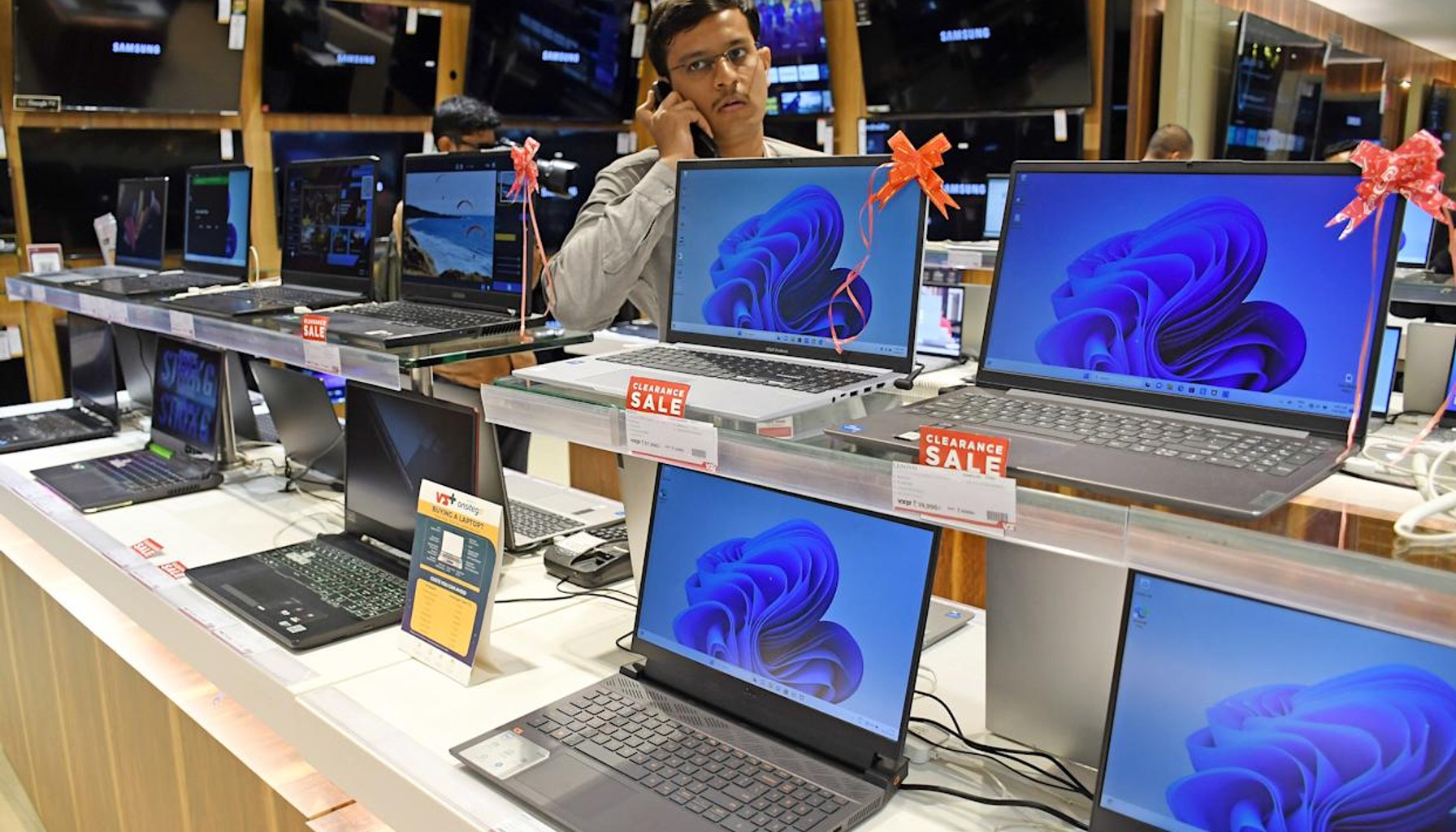
PC buyers panicked, upgrading now to dodge RAM price hikes. New data from Counterpoint Research show global PC shipments rose about 3.2% year over year in the first quarter of 2026, reaching around 63.3 million units. The spike wasn’t a surge of new demand across every segment; it was a pre-emptive move by consumers worried that memory-led price hikes would arrive soon and clobber existing systems.
The regional and vendor mix behind the number reflects a market bracing for tighter supply and higher costs rather than a broad, durable rebound. The five leading brands—Lenovo, ASUS, Apple, HP, and Dell—accounted for most of the Q1 momentum. Lenovo held the largest share at about 26%, while Dell and ASUS also posted gains. Apple stood out with an 11% year-over-year uptick, aided by the refreshed MacBook Pro and MacBook Air lines and the introduction of the affordable MacBook Neo at around $600. HP, however, saw a year-over-year decline of roughly 5%.
The pre-emptive buying is linked to a broader squeeze on memory and storage components driven by AI infrastructure expansion. Counterpoint’s analysis points to price pressure rippling through CPUs and other critical PC parts as demand for memory- and storage-intensive AI workloads climbs. In other words, the very chips powering smarter apps and data centers are pulling up costs that trickle down to consumer machines.
Microsoft’s ongoing strategy also nudged some buyers into upgrading sooner. The report notes that Windows 10 support ended last year, which “forced” a subset of customers to move to newer Windows editions or new hardware to stay supported. That policy impulse, combined with the memory-price narrative, helped push shoppers into buying windows in the first quarter rather than waiting for price normalization.
Analysts also cautioned that the Q1 lift could be a temporary pulse rather than a durable trend. Minsoo Kang, a Counterpoint senior analyst, highlighted that while unit shipments were healthier in early 2026, the AI infrastructure feeding demand is not a short-term blip. He stresses that the sustained rise in component costs will likely influence pricing over the longer horizon, potentially offsetting the near-term gains from stronger shipments.
For consumers, the current moment reads as a mixed bag. If you already planned a purchase, the market conditions—especially memory and CPU pricing—mean you might save little by delaying only if prices cool; otherwise, you could face higher outlays as suppliers pass through rising costs. For buyers sitting on older machines, the Q1 data is a reminder that a refresh is not just about raw performance but about staying on supported software and avoiding cascading price pressures on essential components.
In hands-on reviews and real-world performance, the story remains: PCs are still a backbone for work and play, but the cost dynamics are shifting under the weight of AI workloads and accelerated hardware cycles. The next few quarters will reveal whether the price pressures stabilize or become a longer-term headwind for both builders and buyers.
- A lot of you panic-bought PCs to avoid RAMaggedon 2026engadget.com / Source role not classified / Published APR 17, 2026 / Accessed APR 18, 2026