Samsung Adds Ikea Devices to SmartThings With Caveat
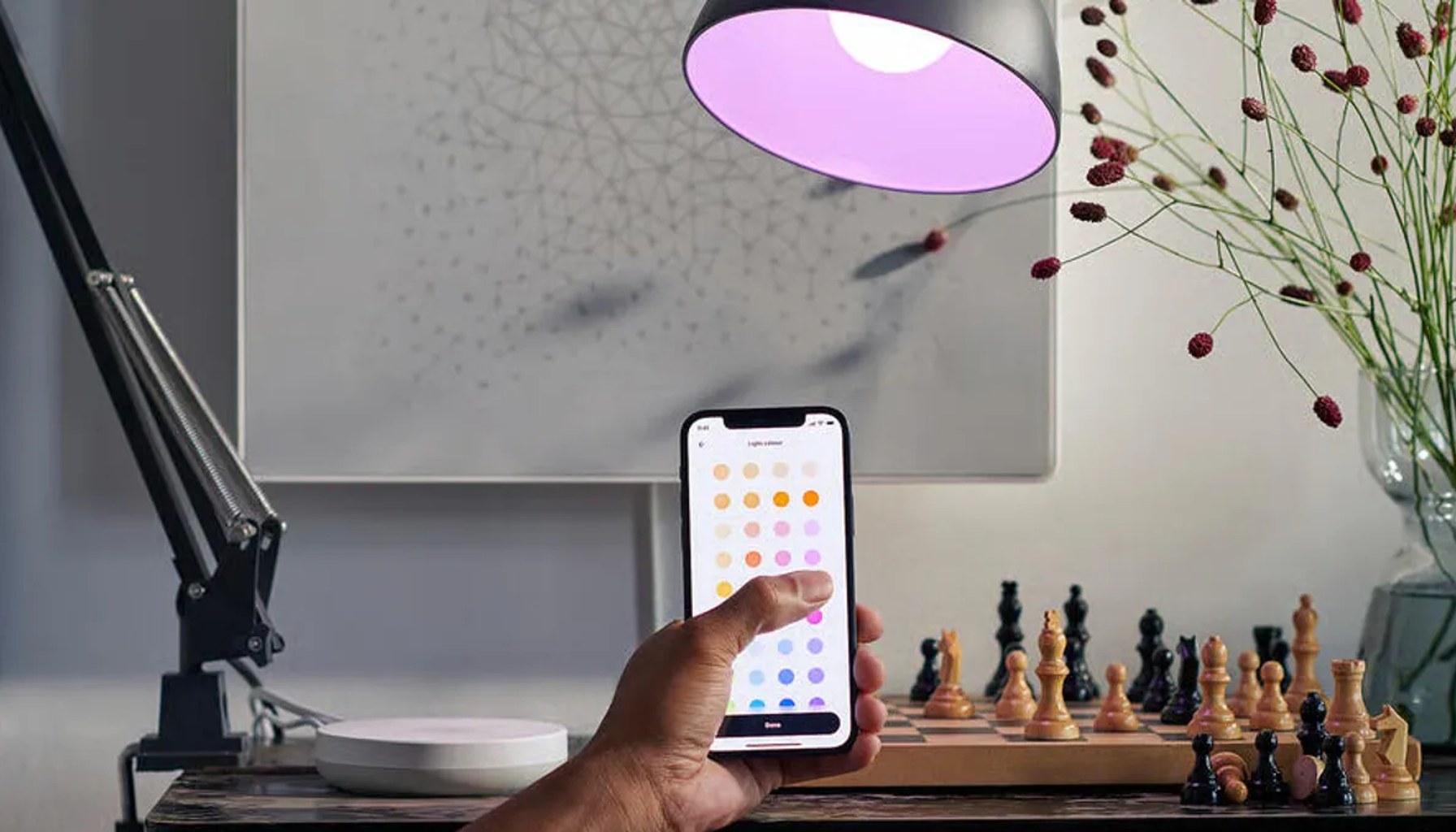
Ikea’s budget smart lights now talk to Samsung’s hub.
Samsung SmartThings has begun supporting Ikea TRÅDFRI devices, letting households control Ikea bulbs and sensors through the SmartThings app and its automations. The catch is binary but important: you must have the right Samsung hub to unlock the integration. If you meet that condition, the Ikea devices no longer require separate add-ons to be pulled into a SmartThings scene, a small win for budget smart-home shoppers who hate extra gear.
The move matters because it lowers the barrier to cross-ecosystem control. Ikea has long offered cheap, easy-to-purchase smart devices, but many users keep those devices isolated in Ikea’s own app or gateway. With SmartThings support, those bulbs, motion sensors, and dimmers can be folded into a broader SmartThings setup, alongside other brands you may already own. For people who already operate a Samsung hub and prefer a single dashboard for routine automation, this promises fewer app-switching moments and cleaner schedules.
Still, the caveat shapes the entire value proposition. The Ikea integration is not a universal, plug-and-play miracle; it hinges on having a compatible Samsung hub that supports the feature. In practice, that means a subset of SmartThings users can immediately benefit, while others may need to upgrade or verify hub compatibility before they can leverage Ikea devices inside the Samsung ecosystem. That constraint underscores a larger theme in today’s smart homes: interoperability is advancing, but it’s still gated by hardware compatibility and the sometimes picky requirements of individual ecosystems.
From a consumer perspective, the arrangement aligns with how many homes actually work in 2026. Most buyers want cost-conscious devices that still feel reliable when chained into routines like “turn on lights when motion is detected” or “dim at sunset.” Ikea’s devices fit that budget profile, and SmartThings offers a familiar automation language across devices, which reduces friction for users juggling multiple brands. The unglamorous truth is that you gain convenience only within the boundaries of the hub you own. If your setup includes only Ikea gear and a non-Samsung hub, you won’t gain this integration, and you might not experience the same streamlined control.
Industry watchers will be watching not just this specific partnership, but what it signals about the broader push toward interoperability. The move aligns with the ongoing push toward ecosystems that can talk across brands, even as the market remains segmented by protocol and hub ecosystems. It also emphasizes the role of the hub as a gatekeeper for feature parity. If you don’t own a compatible SmartThings hub, you won’t get the Ikea integration, and the lure of a single app to manage all devices remains, for now, conditional.
What you should watch next is whether Ikea expands its support beyond the SmartThings corridor and how Samsung responds if Ikea broadens its own gateway strategy or deeper Matter integration accelerates. For now, the practical takeaway is simple: if you already operate a compatible Samsung hub and want Ikea’s low-cost devices inside your automation world, this is a helpful, cost-efficient bridge. If you don’t, you’ll likely want to wait to see whether the path to broader compatibility opens up.
Verdict: Buy for SmartThings households yearning for Ikea’s affordable devices integrated into one automation platform; skip for everyone else until hub compatibility is confirmed.
- Samsung Brings Ikea Smart Home Support to Its Platform, With One Important Caveatcnet.com / Source role not classified / Published APR 23, 2026 / Accessed APR 24, 2026