FAA Certifiable Autonomy Aims for Fully Automated Aircraft
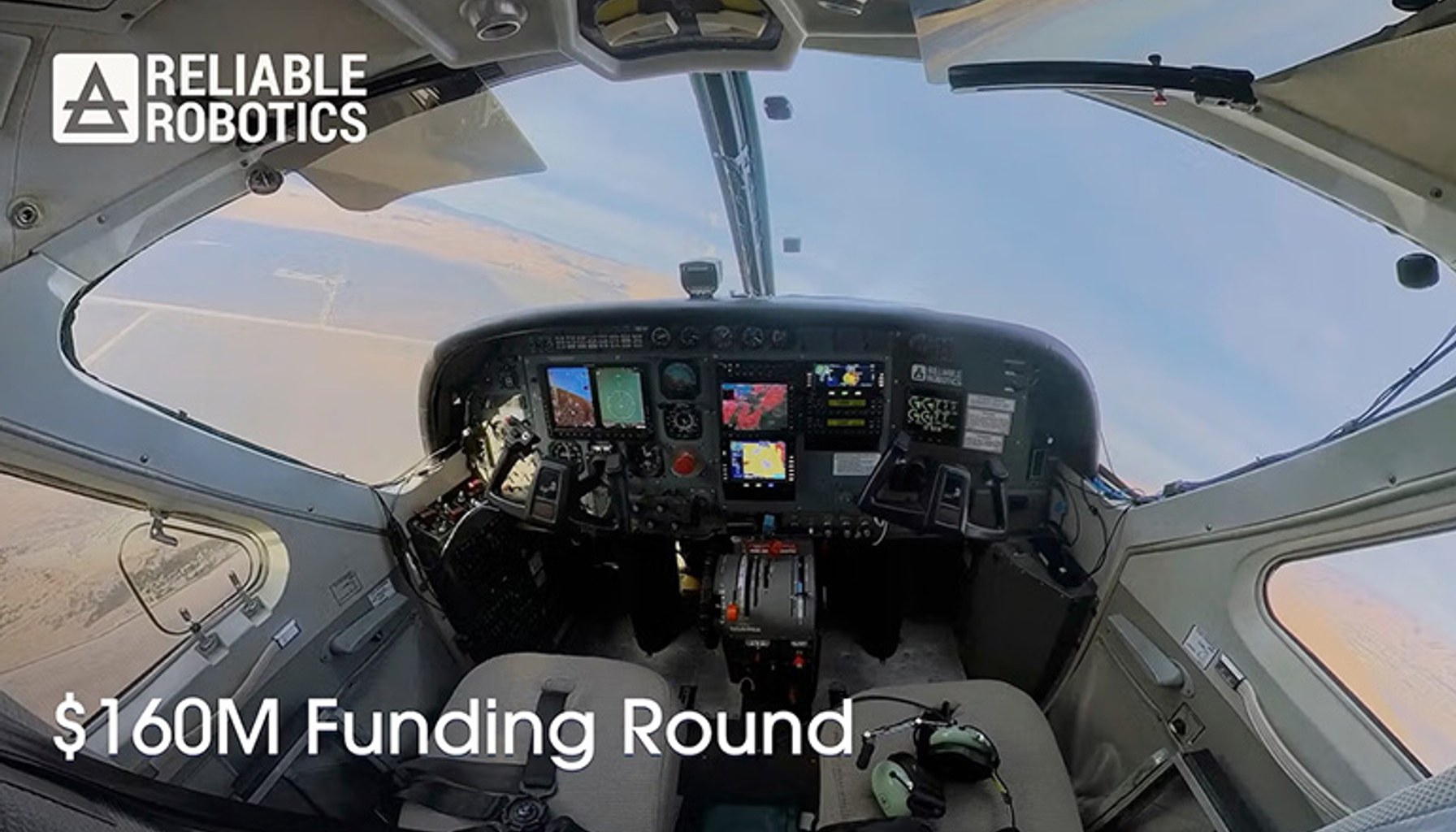
A $160 million funding push targets a future where fully automated flight is not a demo but a certifiable reality for both civilian and military airspace.
Reliable Robotics says its Reliable Autonomy System, or RAS, is the first FAA-certifiable platform designed to operate an aircraft autonomously. Founded in 2017 and based in Mountain View, California, the company contends that RAS can work on any aircraft, in any airspace, and address the most common causes of aviation incidents. The new capital, disclosed this week, is meant to accelerate deployment and scale production of the system, moving it from lab to tarmac and, eventually, to routine service.
The claim matters because aviation sits at a crossroads of safety, capacity, and cost. Every added hour of air traffic requires more slots, more risk controls, and more redundancy. Reliable Robotics argues that certifiable automation can raise throughput while preserving or even improving safety, which is why executives talk in terms of scalability and affordability rather than flashy demos. “Automation eases constraints, enabling us to realize greater levels of throughput at even higher levels of safety,” said Robert Rose, co-founder and CEO.
If the RAS path stays on schedule, it would link with existing aviation infrastructure rather than replace legacy systems wholesale. That approach is deliberate: the system is designed to integrate with current avionics, airframes, and flight operations ecosystems rather than demand a brand-new cockpit or a separate control room. In the company’s view, the payoff is safer, more accessible air transport and a more scalable model for defense and civil operations alike. Reliable Robotics has framed the investment as a way to unlock growth that is otherwise constrained by preventable accidents, infrastructure bottlenecks, and the underutilization of aircraft.
For operators and engineers, the funding underscores a few hard realities. First, certification will be the dominant gatekeeper. Even with a funding windfall, earning FAA approval for fully autonomous flight requires rigorous demonstration of reliability, fail-safes, and interoperability with air traffic management. Second, integration is as much about people as machines. The system must mesh with human crews, ground staff, maintenance pipelines, and monitoring centers, which means substantial training hours and organizational change alongside hardware development. Third, new failure modes creep in with autonomy. Sensor redundancy, cybersecurity, and remote operation concepts will demand a robust risk framework and ongoing validation beyond initial flight tests.
Two practitioner takeaways stand out. One, the economics of deployment hinge on utilization and maintenance costs. If RAS can reduce crew workload, improve on-time performance, or extend aircraft service intervals without spiking support needs, the payback becomes tangible, even for fleets with mixed age and equipment. Two, the real-world gotchas are often in the field. Expect retrofit challenges, supply-chain constraints for sensors and avionics, and the ongoing need for specialized technicians who understand both aviation standards and autonomous systems. While the investor round signals confidence, operators should plan for multi-year timelines and careful phasing from pilot routes to larger-scale operations.
Beyond the economics, the military angle adds another layer of complexity and opportunity. Dual-use autonomy could reshape readiness, logistics, and cost-per-flight for mission-critical transport, but it will also attract additional regulatory and procurement scrutiny.
The trajectory remains uncertain, but the funding confirms that automation is moving from the edge of ideation into the core of strategic planning for air mobility. If the FAA path stays navigable, the industry could see autonomous flight systems roll into controlled environments first, followed by broader certification as a pathway to higher aircraft utilization and safer skies.
- Reliable Robotics raises funding for fully automated aircrafttherobotreport.com / Source role not classified / Published APR 23, 2026 / Accessed APR 24, 2026