Honeywell sells warehouse automation unit to private equity
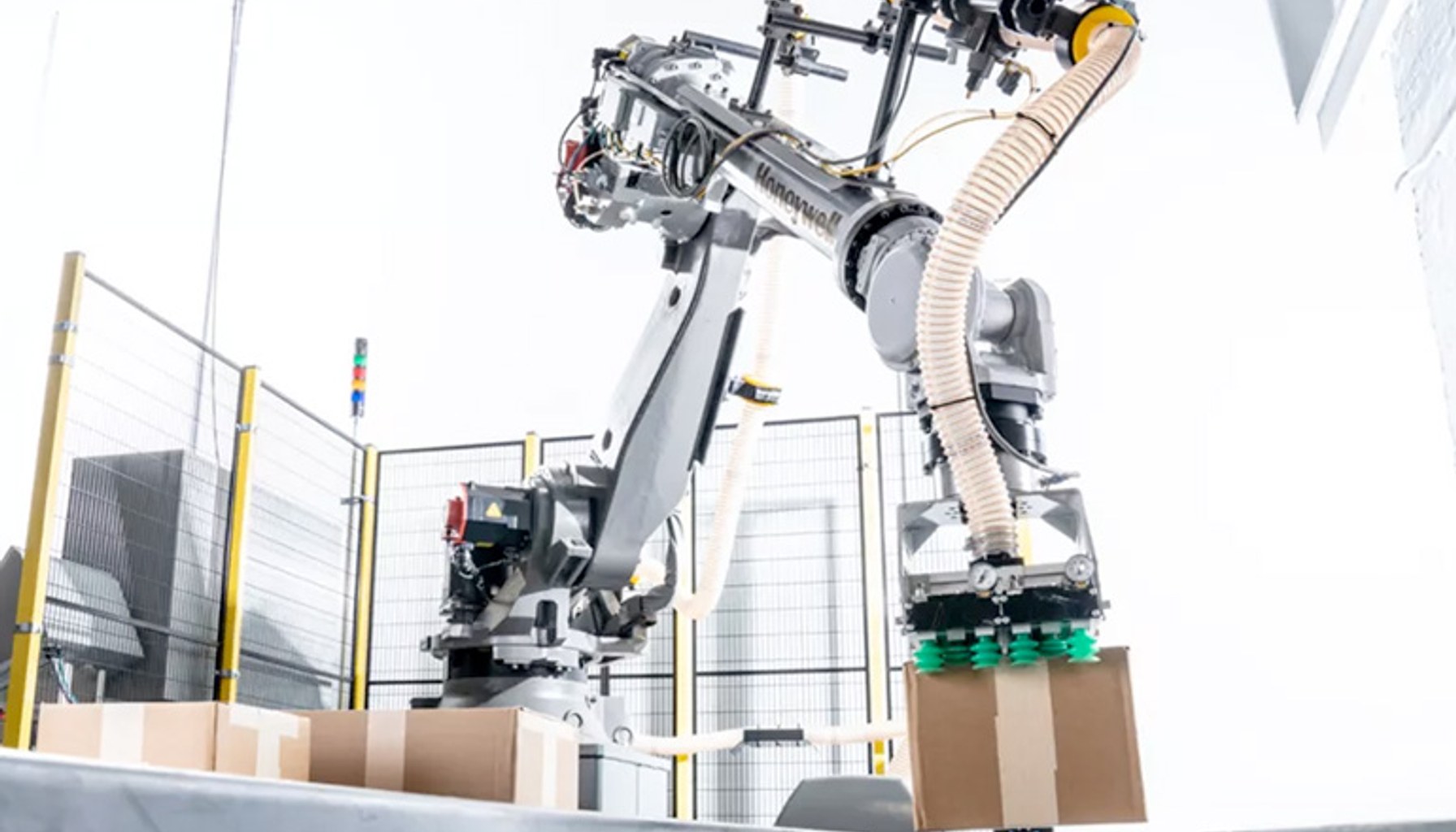
Honeywell is selling its warehouse automation arm to a private equity firm, a move that could redraw the landscape for a fast growing segment of the supply chain. American Industrial Partners will acquire the Warehouse and Workflow Solutions unit, which includes the Intelligrated and Transnorm brands, with the deal expected to close in the second half of 2026. The business is forecast to generate about $935 million in revenue in 2025, and the transaction will push into a broader platform that AIP has been building with its investment in Trew Automation. “As demand for warehouse automation continues to grow, driven by e-commerce, labor shortages, and supply chain digitization, WWS is well-positioned to capitalize on these tailwinds,” said Murray Grainger, a partner at AIP.
Intelligrated, over the years, has become a staple name in the sector, spanning conveyors, automated storage and retrieval systems (ASRS), and hybrid robotics strategies. The division has been a backbone for end-to-end warehouse upgrades, and Transnorm adds a European angle with its own line of sortation and internal handling solutions. Honeywell’s WWS portfolio has long emphasized the ability to deliver turnkey projects, from design and integration to ongoing support. With the sale, AIP is signaling a strategy built on a broader platform that combines WWS’s installed base with Trew Automation’s capabilities, aiming to offer a more expansive, multi-industry automation play.
The move comes amid a backdrop of relentless demand in warehouse automation. Online shopping volumes are soaring, and labor shortages across logistics warehouses have kept pressure on operators to automate more of the picking, packing, and replenishment workflow. Private equity firms have been chasing such assets because the recurring services spine—maintenance, software licenses, and spare parts—can offer steadier returns than one-off hardware sales. AIP has framed the deal as a way to create a differentiated platform that can scale through add-ons to serve a broader customer base.
For customers, the transition matters most in how it translates to continuity, service levels, and future roadmaps. Integration teams will need to align WWS’s installed base with Trew’s automation software and hardware ecosystem to avoid disruption. While the press materials emphasize synergy, executives and floor supervisors will want concrete plans: how the service network will be retained or expanded, what the post-close product roadmap looks like, and how training will be delivered to internal teams responsible for running and maintaining the systems.
From a discipline standpoint, there are concrete practitioner considerations to watch. First, integration requirements are real and finite, even if the deal materials do not publish exact figures yet: floor space, power, and training hours are the kinds of inputs that determine how quickly a customer can realize improvements in cycle time and throughput after a retrofit or new deployment. Second, while a robotized warehouse promises higher speeds, the human factor remains decisive for handling exceptions, programming adjustments, and maintenance. Tasks like system programming, fault diagnosis, and routine calibration will still rely on skilled technicians and engineers long after the go-live date. Third, there are hidden costs vendors rarely mention upfront, such as downtime during transitions, software licensing changes, data migration, and the need for spare parts or field service coverage to support a blended fleet of legacy and new automation.
Industry observers will also be watching for how the portfolio combination affects competition. The prospect of a larger, cross-industry automation platform could accelerate product roadmaps that address not just warehousing, but related material handling and manufacturing workflows. But it also raises questions about customer loyalty and long-term service commitments during the post-close integration. In the near term, the CFO and procurement teams will want clarity on payback timelines and real-world ROI generated from existing deployments once WWS and Trew are fused under AIP.
In short, this sale marks a notable pivot in how warehouse automation assets are owned and scaled. It signals not just a transition of a business line, but a potentially faster path to a broader, more integrated automation platform that could redefine how warehouses move goods through increasingly complex supply chains.
- End of an era: Honeywell hands warehouse automation reins to AIPtherobotreport.com / Source role not classified / Published APR 23, 2026 / Accessed APR 24, 2026