Startup unveils 42 DoF humanoid in lab demo, claims 15 kg payload
By Sophia Chen
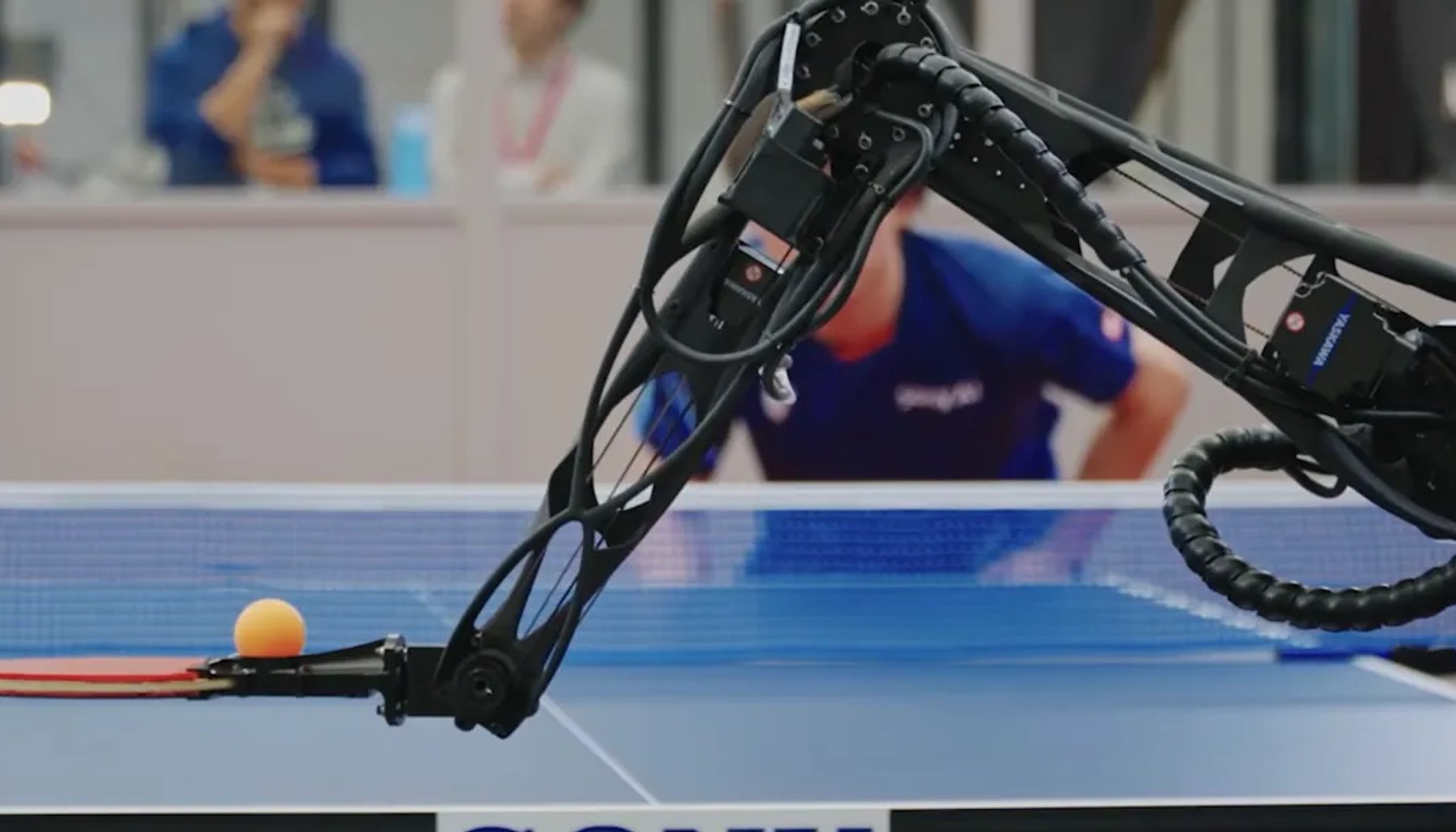
Image / spectrum.ieee.org
A lab demo shone a spotlight on a new humanoid prototype that the team claims can operate with 42 degrees of freedom and lift about 15 kilograms in payload, a combination many observers have thought unreachable outside large-scale labs. The moment was less about a finished product and more about a data point in a field that has learned to separate demo reels from reality.
For context, the current reference point most engineers use is Boston Dynamics’ Atlas lineage. Engineering documentation shows Atlas has roughly 28 DoF, with populations of joints in the legs, hips, arms, and torso enabling dynamic balance and gait. Public discussions about Atlas’ payload are less explicit; industry estimates place per-arm capabilities in a low tens of kilograms range, but the exact figures are not formally published by the company. Those numbers matter because more DoF translates to finer control and more adaptable manipulation, but it also multiplies the control complexity and power budget a robot must manage.
What’s striking about the new prototype is the claimed DoF count. If validated, 42 DoF would represent a meaningful leap beyond Atlas in both torso and limb articulation, potentially enabling smoother tasks like tool passing, precise object regrasping, and more natural gait transitions. The demonstration footage shows a sequence where the robot reads a human’s gesture, reaches for an object, and hands it back with what engineers described as “human-like timing.” Demonstration footage shows improvements in reachability and task sequencing, but crucial questions remain about reliability, repeatability, and real-world endurance.
The technical chatter around this class of machine is rarely about raw joints alone. Power source, runtime, and charging requirements are the gating factors for field use. Lab-controlled demonstrations can be sustained on lab-grade power systems and tethered or dedicated packs, but translating that to a warehouse floor or a disaster site requires robust energy density, thermal management, and fault handling. The trend across IEEE Spectrum’s robotics reporting and coverage in The Robot Report emphasizes a steady trend toward higher DoF and smarter perception fused with better control loops, but with stricter scrutiny of failure modes in uncontrolled environments. In short, more joints are not inherently better unless control, sensing, and power scale in tandem.
The new prototype sits at a TRL (Technology Readiness Level) that’s best described as a lab demo with controlled environment validation. Demonstration videos show promising manipulation capabilities, but there is a long road from “looks capable in a studio” to “ships for industrial use.” The risk remains: higher DoF increases the state space that the robot’s controllers must explore, and that can expose brittle behavior in edge cases if the software stack and hardware accelerators aren’t proportionately robust.
Two clear takeaways emerge when comparing to prior generations. First, the arc of motion planning and torque-aware control is finally spilling into visible, dynamic tasks rather than static pick and place. Second, energy and thermal budgets are tightening as joints proliferate, making efficient actuators and smarter power management non-negotiable if a robot ever hopes to work beyond the lab.
What we’re watching next in humanoids
SOURCES
Sources
Newsletter
The Robotics Briefing
A daily front-page digest delivered around noon Central Time, with the strongest headlines linked straight into the full stories.
No spam. Unsubscribe anytime. Read our privacy policy for details.