Tennant Unveils X16 Sweep for Round-the-Clock Cleaning
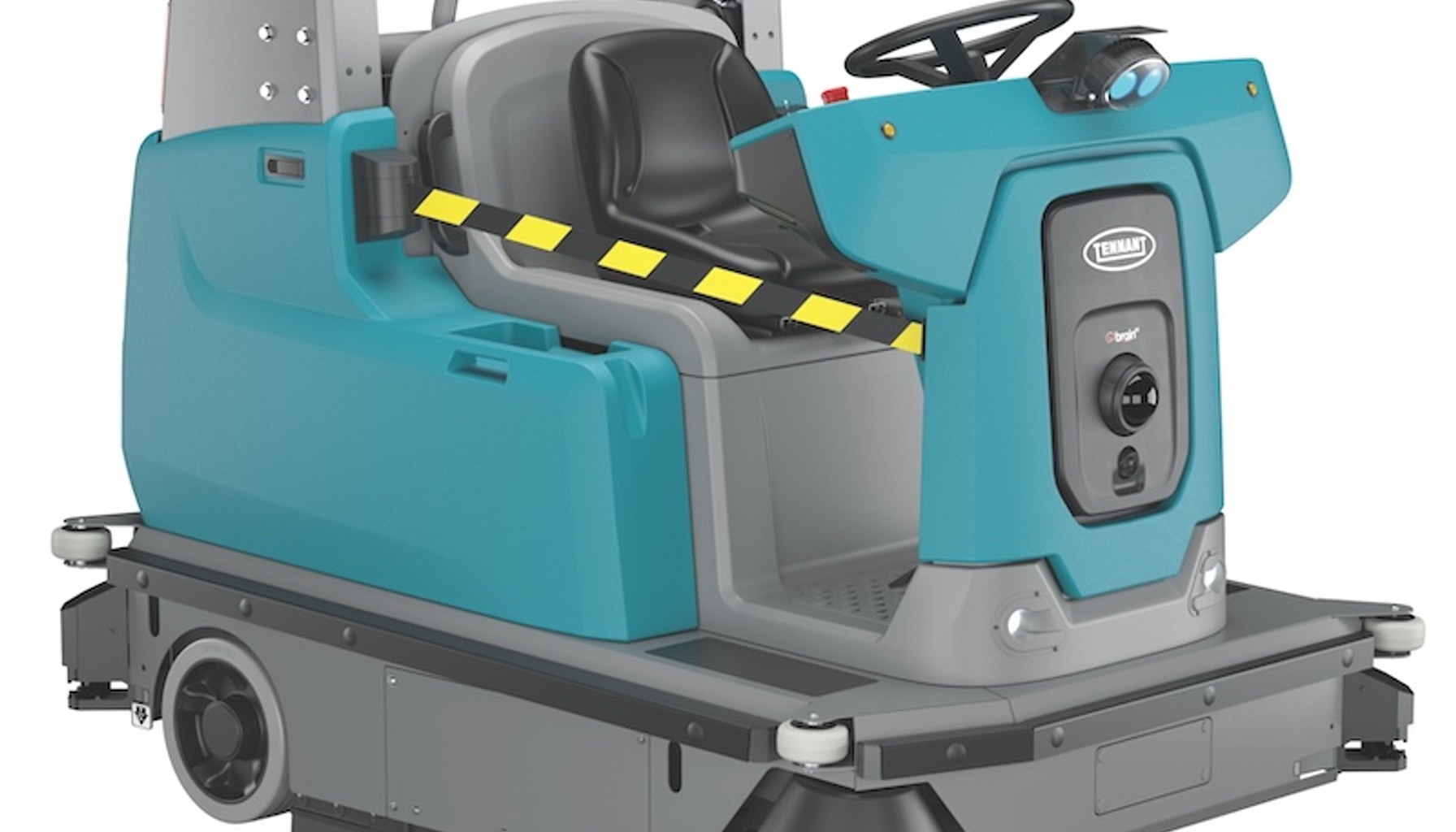
The warehouse floor just got a full-time employee who never sleeps. Tennant on April 10 rolled out the X16 Sweep, the company’s first autonomous, robotic sweeper built for the messy, high-traffic realities of modern warehouses, logistics centers, and light manufacturing. Marketed as a machine that can keep pace with around-the-clock operations, the X16 promises consistent, repeatable floor-cleaning coverage in environments where human crews struggle to maintain grit-free zones between shifts.
In a sector where cleaning quality can tip the balance between smooth material flow and a clogged bottleneck, Tennant frames the X16 as more than a demo model. The device is designed to cope with the clutter and variability of real facilities—narrow aisles, pallets, spill risk zones, and uneven surfaces—where traditional floor care systems often require constant human oversight. The claim is that the X16 can deliver dependable coverage without the reliance on a night shift, a feature that distributors and facility managers say could matter as much as the scrubber’s raw cleaning power.
Yet the launch leaves questions for operators who’ve watched automation projects stumble over integration and training. The company emphasizes “autonomous, round-the-clock” operation, but several practical realities will determine whether the X16 becomes a fixture on the floor or a quarter-bin demo in the maintenance shop. For one, integration isn’t simply about buying a robot. Facilities will need docking and charging infrastructure, network connectivity to enable fleet monitoring, and a plan for routine software updates and calibration checks. Floor space must be allocated for the robot’s routing, charging, and potential maintenance paths, all without disrupting existing material handling flows.
Even with autonomy, human-in-the-loop tasks don’t vanish. Operators will still need to supervise, intervene for edge cases, and coordinate cleaning with other maintenance tasks. Training time matters: technicians must learn to schedule, deploy, and troubleshoot the X16 within the operating window of a live facility. The article outlining the launch doesn’t publish deployment metrics, so plant managers can’t point to a published cycle-time or throughput uplift yet. ROI remains to be proven with real-world data from pilot sites, something industry buyers will watch closely before re-allocating floor-cleaning budgets.
From a practitioner standpoint, several constraints and tradeoffs jump out. First, the X16’s round-the-clock value hinges on a robust charging strategy. If charging downtime eats into cleaning windows, the perceived benefit erodes quickly, especially in facilities with tight sanitation requirements and high traffic. Second, navigational reliability in cluttered environments depends on sensor fidelity, floor markings, and the presence of humans and vehicles that can trigger defensive behaviors. Facilities with dynamic layouts will want to see how the X16 adapts to frequent reconfigurations and seasonal changes in storage patterns. Third, hidden costs accompany any fleet introduction: software subscription fees for fleet management, remote diagnostics, spare parts, battery wear, and potential integration with existing warehouse-management systems. Vendors rarely tally these upfront, and operators should demand a total-cost-of-ownership view before punching the budget line.
What to watch next? Expect early adopter integrations to publish pilot results, with metrics on uptime, maintenance intervals, and any reductions in manual cleaning labor. Operators should seek ROI documentation that breaks out labor savings, consumable costs, and downtime risks, not just the headline “autonomy.” The X16 has the potential to push the cleaning function into a true continuous-operation role, but its success will hinge on disciplined deployment: clear charging and routing plans, deliberate training programs, and a candid accounting of all ongoing costs.
If the data from early deployments supports the promise, the X16 could become a reliable complement to the automation toolkit, turning floor cleanliness into a lever for overall equipment effectiveness. Until then, the newsroom will be watching for the first published payback period and the real-world cycle-time improvements from facilities that turn an autonomous sweeper into an everyday asset.
- Tennant unveils new industrial sweeping machine for ‘autonomous, round-the-clock’ workroboticsandautomationnews.com / Source role not classified / Published APR 10, 2026 / Accessed APR 11, 2026