The Poetry Camera Prints AI Poems, Not Photos
By Riley Hart
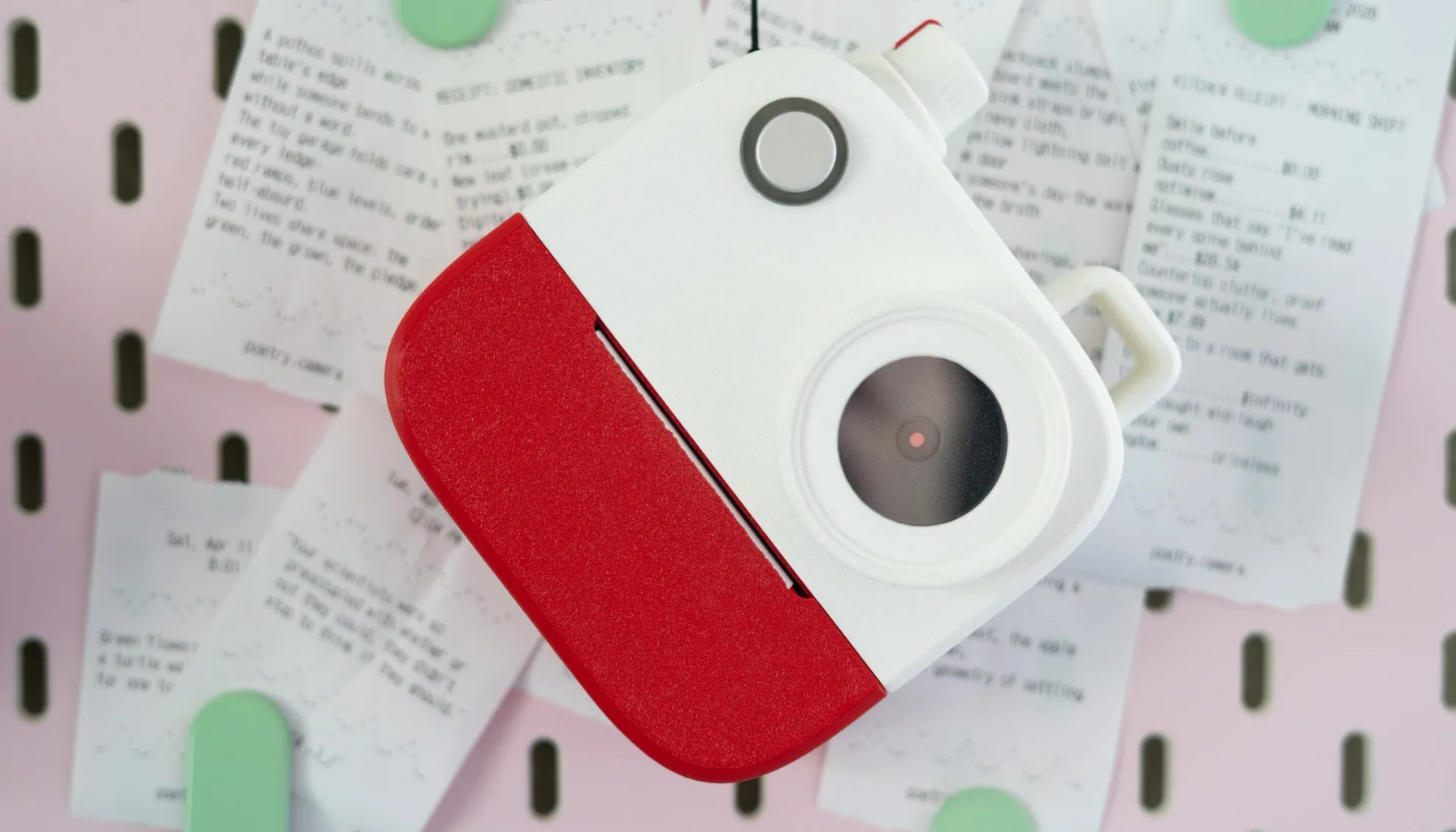
Image / theverge.com
A camera that prints AI poems instead of photos is charmingly perplexing.
The Verge’s hands-on look at the Poetry Camera introduces a gadget that looks like a toy from a boutique shop: white and cherry red, with a color-matched woven strap that invites you to pick it up. It shoots images the way a camera normally would, but instead of turning those shots into a printed photo, it conjures an AI-generated poem inspired by the scene and prints it on thermal receipt paper. The device is, on first glance, irresistibly playful—a lo-fi novelty that begs to be shown off on a desk or coffee table.
But the charm comes with a question: what exactly is this for? The Verge notes that the Poetry Camera is a “delightful object” in the way it looks and feels, yet its purpose isn’t obvious beyond being a cheerful experiment in AI-assisted whimsy. You take a picture, you watch the little printer spit out a short poem, and that’s about the entire workflow. After printing dozens of poems, the reviewer admits a growing tension between the device’s whimsy and the absence of a clear practical payoff—frustration, not inspiration, as the poems accumulate.
That contradiction—that mix of tactile delight and functional ambiguity—speaks volumes about what’s happening in consumer tech when novelty becomes a product category. The Poetry Camera sits at the cusp of “art object” and “gadget,” trading traditional utility for a conversation-starter that doubles as a small piece of kinetic art. The result is a device you might gift to a poetry-loving friend or display as a quirky desk companion, rather than a replacement for a camera or a poetry printer you’d actually rely on day-to-day.
Practitioner-wise, two concrete takeaways leap out for buyers scanning the gadget aisle. First, the product’s strongest value is as a novelty gift or desk ornament, not as a daily-use camera. Its appeal hinges on tactile charm and the idea of AI poetry rather than on proven usability or a robust creative workflow. If you want a reliable photo device, you’ll likely be disappointed; if you crave a talking point at gatherings, it might shine—briefly. Second, expect ongoing consumables to influence the total cost of ownership. The poems print on thermal paper, which implies recurring paper usage and associated waste and expense, something the experience would benefit from more transparent budgeting. In other words, the “fun” may be quick, but the costs accumulate more quietly than the flair.
The AI-poetry engine at the heart of the Poetry Camera is a story unto itself. The poems are generated from the captured scene, but the quality and tone vary—some lines land, others drift into cliché or abstraction. That inconsistency is part of the device’s personality: charming when it lands a good line, slightly tiresome when it doesn’t. In the broader market, this mirrors a larger trend: we’re flirting with AI that augments human creativity, but the results remain uneven enough that many buyers treat such tools as inspiration prompts more than finished products. As the tech and art worlds continue to intersect, devices like this will probe our tolerance for “good enough” artistry in a highly visible, tactile package.
Verdict: Buy as a curious, low-stakes conversation piece or gift for fans of AI-era whimsy; wait or skip if you want a serious camera or a cost-effective way to print poetry. The Poetry Camera doesn’t replace nostalgia for film or the immediacy of a printed photo; it offers a playful, imperfect glimpse into how AI might mingle with everyday objects. It’s a novelty that makes us smile and sigh in roughly equal measure—a tiny, printable philosophy of the modern gadget age.
Sources
Newsletter
The Robotics Briefing
A daily front-page digest delivered around noon Central Time, with the strongest headlines linked straight into the full stories.
No spam. Unsubscribe anytime. Read our privacy policy for details.