WeatherNext highlights AI research split at Google I O
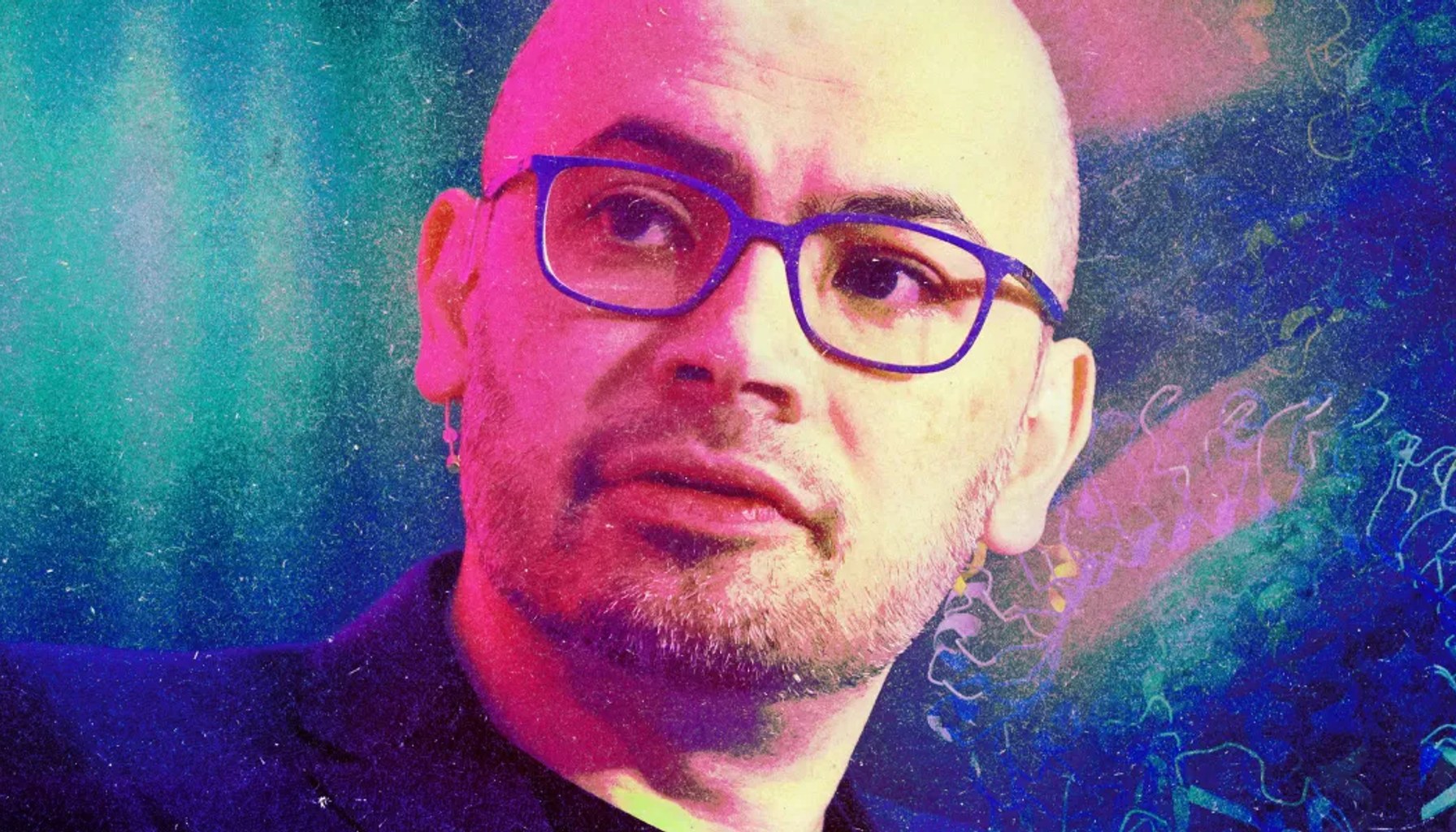
WeatherNext warned Jamaica about Hurricane Melissa last year, and Google just framed that as a compass for AI's future.
In a keynote that mixed awe with caution, Google DeepMind chief Demis Hassabis declared that we are “standing in the foothills of the singularity.” The moment was anchored by WeatherNext, the weather-prediction AI that issued an advance alert about Melissa that could have saved lives. The contrast was stark: a real world success story from a domain AI can meaningfully impact, paired with a broader ambition to push AI beyond narrow tools into autonomous scientific inquiry.
The central tension Hassabis highlighted is already shaping how teams think about AI for science. On one path are specialized, tool oriented systems built to tackle discrete problems with explicit human oversight. WeatherNext fits this mold: it takes domain data, follows clear forecasting objectives, and outputs actionable guidance for decision makers. On the other path are agentic, large language model based systems that could, in theory, execute high level research projects with little human intervention. The excitement around these agents rests on the possibility that AI could design experiments, run simulations, interpret results, and iterate on ideas with ever-decreasing human scaffolding.
The juxtaposition matters because it frames a practical tradeoff for teams shipping AI now. The WeatherNext success demonstrates what disciplines like meteorology and disaster response can gain when a model is trained on task specific data and integrated into real decision chains. But relying on agents that can autonomously pursue research agendas raises questions about reliability, safety, and governance. If a system can propose and pursue its own hypotheses, who ensures the questions it asks are aligned with human values and real world constraints? The answer, industry observers say, is not a single technology but a blended approach: use dependable tools for high-stakes outputs while exploring agentic capabilities in controlled, low risk contexts.
Here are practitioner takeaways to watch for as the quarter unfolds:
The take away for product teams is clear. The WeatherNext moment is a reminder that the most valuable AI today is the kind that augments decision making in tangible, testable ways, while the broader dream of autonomous scientific discovery remains compelling but not ready for high stakes deployment. For now, the safest bet is to pair proven, domain specific tools with cautiously tested agentic features that expand capability without sacrificing reliability or safety.
- Google I/O showed how the path for AI-driven science is shiftingtechnologyreview.com / Independent source / Published MAY 22, 2026 / Accessed MAY 23, 2026