What we’re watching next in consumer
By Riley Hart
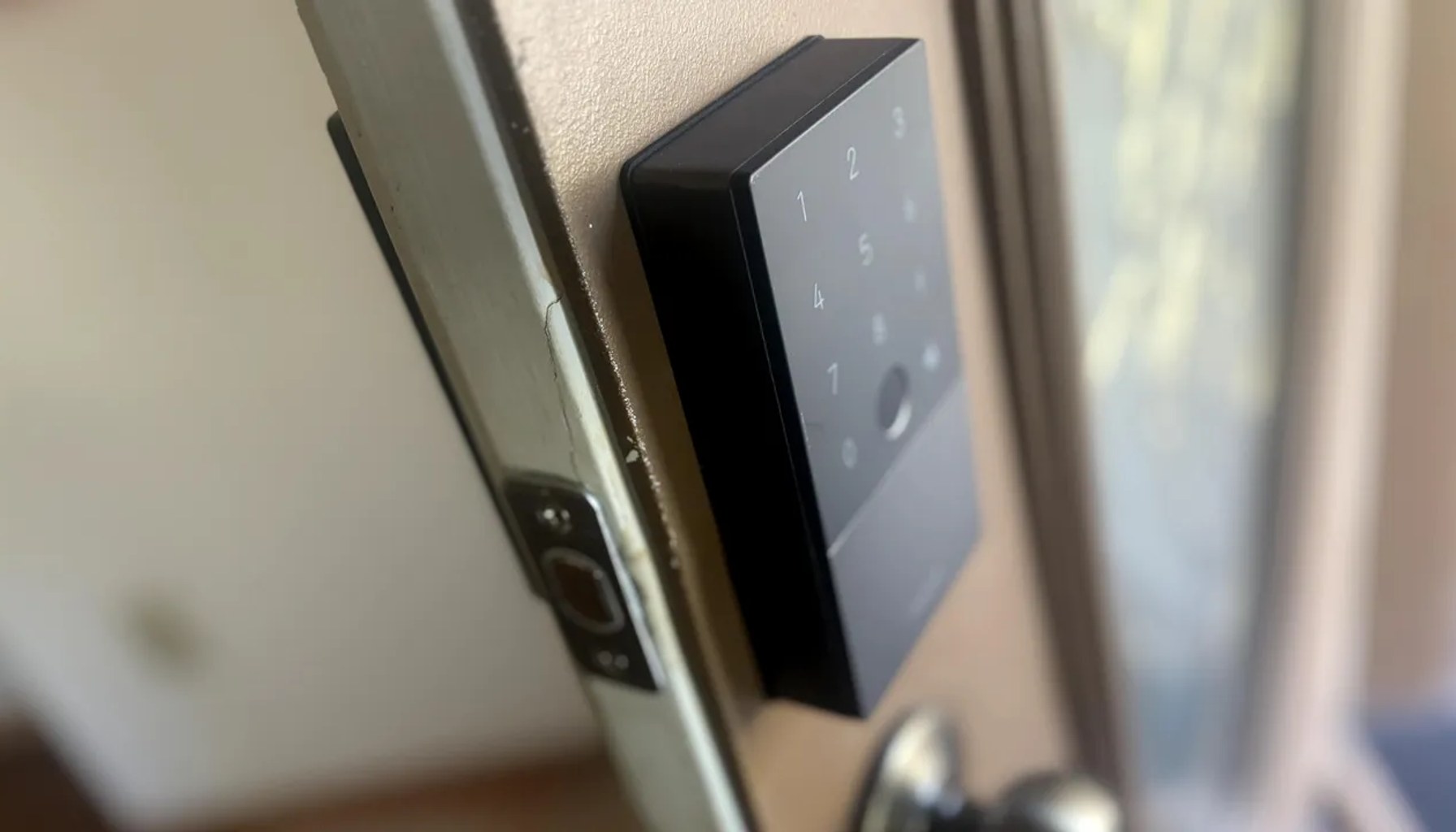
Image / cnet.com
Smart-home features are going behind a paywall—again.
Across major review outlets, the pattern is clear: devices that once sold with a straightforward, one-time price now rely on cloud subscriptions to unlock the best (or only) features. The logic is simple for vendors—recurring revenue beats one-and-done sales. For consumers, it’s a wait-then-pay game: buy the gadget, then pay up to keep the AI voice routines, video storage, or advanced automations humming. In hands-on reviews, testers found that essential conveniences—like smart routines, camera alerts, and scene recognition—often hinge on ongoing cloud access. If you skip the subscription, many devices trim capabilities to a much smaller, no-frills set of functions.
The shift isn’t purely about cost. It’s about data, AI, and reliability. When dynamic features depend on cloud processing, a device’s performance can swing with service-quality and price changes. That raises questions about privacy, too: the more you rely on cloud-based analytics, the more at stake your data becomes. The Verge and CNET Smart Home coverage reflect a broader industry move toward “free baseline” functionality while charging for premium options that once looked like standard firmware updates. The bottom line: what you pay for at checkout is only part of the total ownership cost.
Reality-check time: telemetry-heavy features—the ones users actually want in day-to-day life—often require cloud storage, ongoing authentication, and periodic AI model refreshes. That means vendors are leaning into subscriptions to fund ongoing improvements, security updates, and new capabilities. But there’s a palpable risk of feature creep and hidden costs. Reviews note a growing frustration with mandatory account creation, multi-service sign-ons, and the lack of a robust offline mode. If you’re a busy homeowner balancing pet hair, Wi‑Fi dead zones, and a busy inbox, the friction isn’t just annoying — it’s actionable.
From a practitioner lens, this is a classic tech-market tradeoff: the convenience of seamless, intelligent features vs. the headache of ongoing costs and potential lock-in. Consumers should plan for a two-stage cost of ownership: the upfront device price plus any required or optional cloud-subscription fees. For builders and retailers, the push to monetize AI-assisted features is logical, but it invites scrutiny over transparency and value—especially when the free tier growth outpaces real-world usefulness.
What we’re watching next in consumer
Sources
Newsletter
The Robotics Briefing
Weekly intelligence on automation, regulation, and investment trends - crafted for operators, researchers, and policy leaders.
No spam. Unsubscribe anytime. Read our privacy policy for details.