Overhead Octopus Elevates Warehouse Throughput
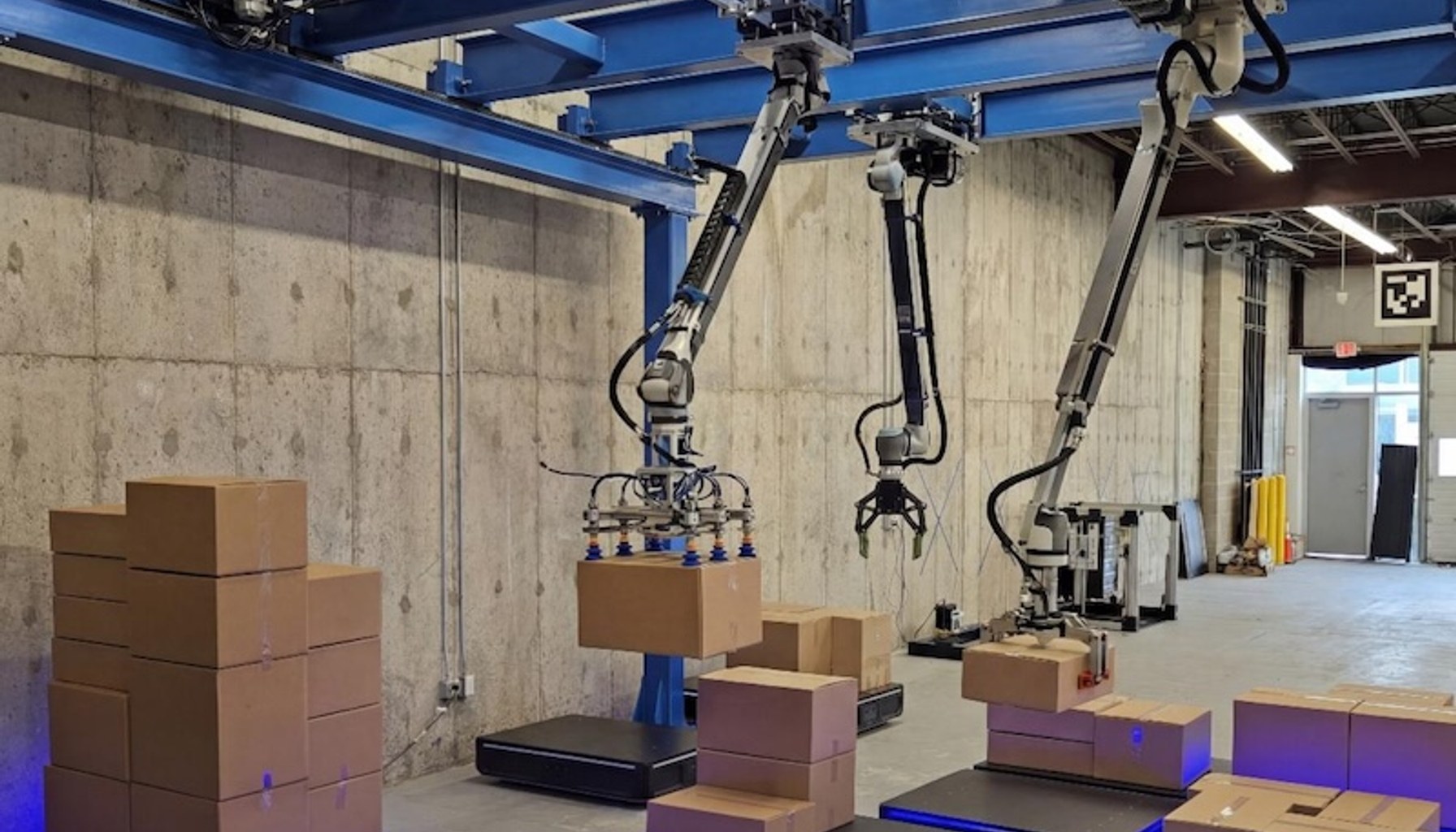
Logic’s new Octopus overhead multi-arm robot is not just a gadget; it’s a rethinking of the loading dock. Suspended from the ceiling, the high-speed picker grabs cases without encroaching on valuable floor space, turning busy bays into autonomous, data-driven cells. If the first wave of deployments holds true, the ceiling-mounted system could slash bottlenecks in fulfillment centers that are already straining under growing e-commerce demand.
The Octopus is pitched as a goods-to-robot solution that pairs with Logic Pallets to create a modular, ceiling-based workflow. By lifting the picking task above floor-level clutter, Logic aims to minimize the “last inch” frictions that often throttle throughput in high-velocity warehouses. The design is deliberately simple to install in spaces that already rely on traditional conveyors or static racks, but it isn’t a plug-and-play plug-in. The ceiling must bear the load, power must be provisioned where the robots reside, and the control system has to be integrated with warehouse software to align picks with real-time inventory and outbound schedules.
Industry observers say the real story here is the way an overhead system reframes maintenance, training, and safety. The Octopus adds several moving arms to a single overhead pose—the kind of arrangement that can deliver substantial cycle-time improvements when calibration is right and when the rest of the warehouse is ready to “talk” to the robot. Production data shows that when you suspend the motion above the fray, you unlock otherwise blocked loading zones and shift attention to the bottlenecks that truly slow throughput: replenishment timing, pick accuracy, and handoffs to packing stations. Yet experts caution that the gains hinge on end-to-end deployment discipline, not just hardware spec sheets.
Integration requirements matter as much as the robot arms themselves. Floor supervisors and integration teams report that ceiling-based systems demand robust ceiling structures, dedicated power drops, and reliable network connectivity. Operators must be trained to supervise multi-arm reconciliation, manage occasional jams, and intervene when item characteristics challenge the gripper chemistry or the vision sensors. The Octopus is designed to work with Logic Pallets, but successful deployments depend on the synchronization between pallets, the warehouse management system, and the expected pace of inbound and outbound flows. In other words, you don’t buy the robot to sit in a corner; you buy it to become the hub of a new, ceiling-centric cell.
A number of critical questions still hover. Tasks that remain hands-on—handling irregular-shaped items, labeling exceptions, complex packing, and inbound quality checks—will continue to rely on human workers. The factory payback picture remains data-driven rather than vendor-dangled; vendors often publish optimistic timelines, but ROI documentation that reflects actual deployment is what CFOs want to see. Early pilots tend to emphasize throughput uplift and hands-free zone utilization, with a 12- to 24-month payback tipped as a rough target in the broader goods-to-robot literature. But until a customer reports a full lifecycle ROI, those numbers remain a forecast rather than a known outcome.
From the floor, the tone is cautiously optimistic. If the Octopus delivers as advertised, we could be watching loading zones transform into autonomous cells that require far less floor real estate, while keeping human workers where they add the most value—exception handling, supervision, and the strategic tasks that keep tens-of-milo items moving through the supply chain with accuracy and accountability.
- Logic introduces ‘Octopus’ overhead multi-arm robot to boost warehouse throughputroboticsandautomationnews.com / Source role not classified / Published APR 08, 2026 / Accessed APR 08, 2026