PASCO Marks 50 Years on the Plant Floor
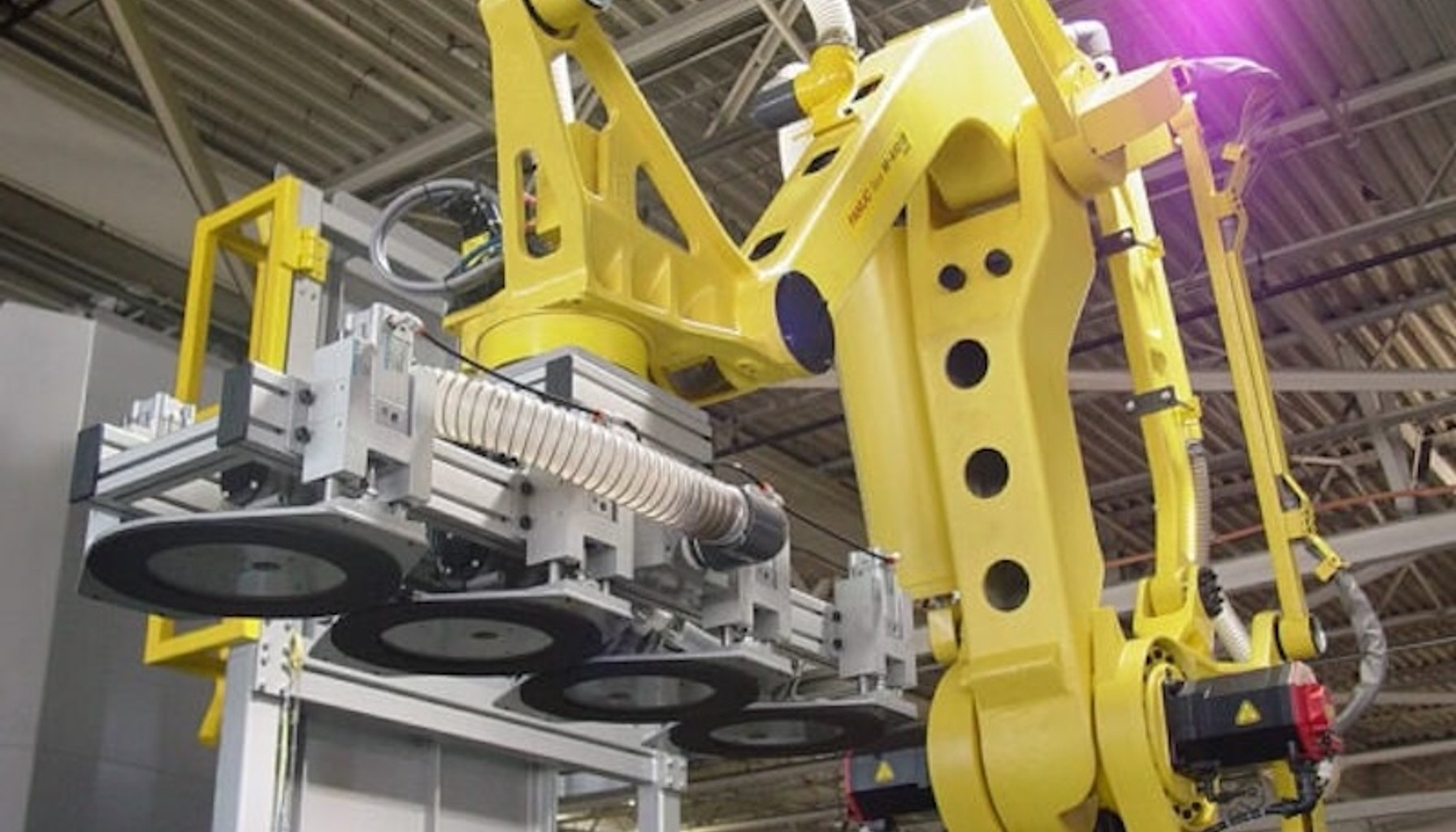
A modular palletizer freed workers from 500-pound drum lifts.
In 1976, two engineers at Monsanto spotted a simple but brutal problem on the plant floor: workers manually moved heavy 55-gallon drums, weighing about 400 to 500 pounds, with frequent injuries piling up as a daily cost of doing business. The paper trail of pain was clear, and the solution wasn’t flashy—it was practical: build a modular palletizer that takes the lifting out of the job. The idea was simple, but its implications were seismic. By replacing back-breaking manual handling with a mechanical, adaptable cell, plants could push throughput higher while reducing injuries and inconsistent manual handling.
That breakthrough quietly seeded what would become a long arc of automation across manufacturing. PASCO’s milestone of 50 years in industrial automation is more than a commemorative milestone; it’s a lens on how far the floor has traveled from stand-alone devices to flexible, modular cells that can be tuned to shifting product streams. The early palletizer approach—start with a focused, repeatable task and evolve toward integrated flow—became a blueprint for organizations trying to scale automation without locking themselves into brittle, monolithic lines. In retrospect, the path from lifting heavy drums to orchestrating broader cell-based production looks almost inevitable: the floor demanded safer, faster, and more predictable operations, and automation delivered with each incremental improvement.
Production data shows that the plant floor’s appetite for safer, more efficient handling remains insatiable, even as the technology has grown more sophisticated. The DNA of that 1976 solution—modularity, repeatability, and a clear division of labor between man and machine—persists in how modern automation cells are planned and deployed. Operators now talk about integration as a planning discipline, not a vendor promise. The floor, after all, is unforgiving: space, power, and training cannot be left to chance if a cell is to deliver on its promised gains.
For plant managers eyeing the next automation project, a few practitioner realities stand out. First, the value proposition hinges on integration fidelity: a cell is only as good as its ability to coexist with conveyors, packaging lines, and control systems, all without creating new bottlenecks. Second, training hours matter—hands-on learning for technicians and operators is a non-negotiable component of meaningful adoption. Third, the human element remains essential: even in a world of pallets and sensors, tasks like changeovers, quality checks, and exception handling still require skilled workers who can adapt to variability. Fourth, there are hidden costs vendors tend to underplay: the reality of system integration, the time to validate safety interlocks, and the footprint planning required to fit a new cell into an existing line.
The overarching takeaway from PASCO’s 50-year arc is sober but hopeful: the plant floor rewards disciplined, modular thinking. The early move away from one-off lift duties to manufacturable, repeatable automation set a standard for how to grow automation without sacrificing safety or flexibility. The story isn’t about a single invention; it’s about an operating philosophy that treats automation as an evolving capability rather than a single purchase. Fifty years on, the industry still uses that philosophy as its north star—a reminder that real progress on the line is earned through careful planning, practical integration, and a relentless focus on the people who keep the drums rolling.
As PASCO marks this milestone, the takeaway for executives is simple: celebrate the origin, but plan the next evolution with the same discipline that turned a Monsanto problem into a plant-floor standard. The numbers aren’t just about drums—they’re about the lives saved, the rest periods gained, and the predictable throughput that modern automation, when done right, makes possible.
- PASCO Marks 50 Years in Industrial Automationroboticsandautomationnews.com / Source role not classified / Published APR 07, 2026 / Accessed APR 08, 2026