Knee Mills vs Bed Mills: Which Makes Sense
By Maxine Shaw
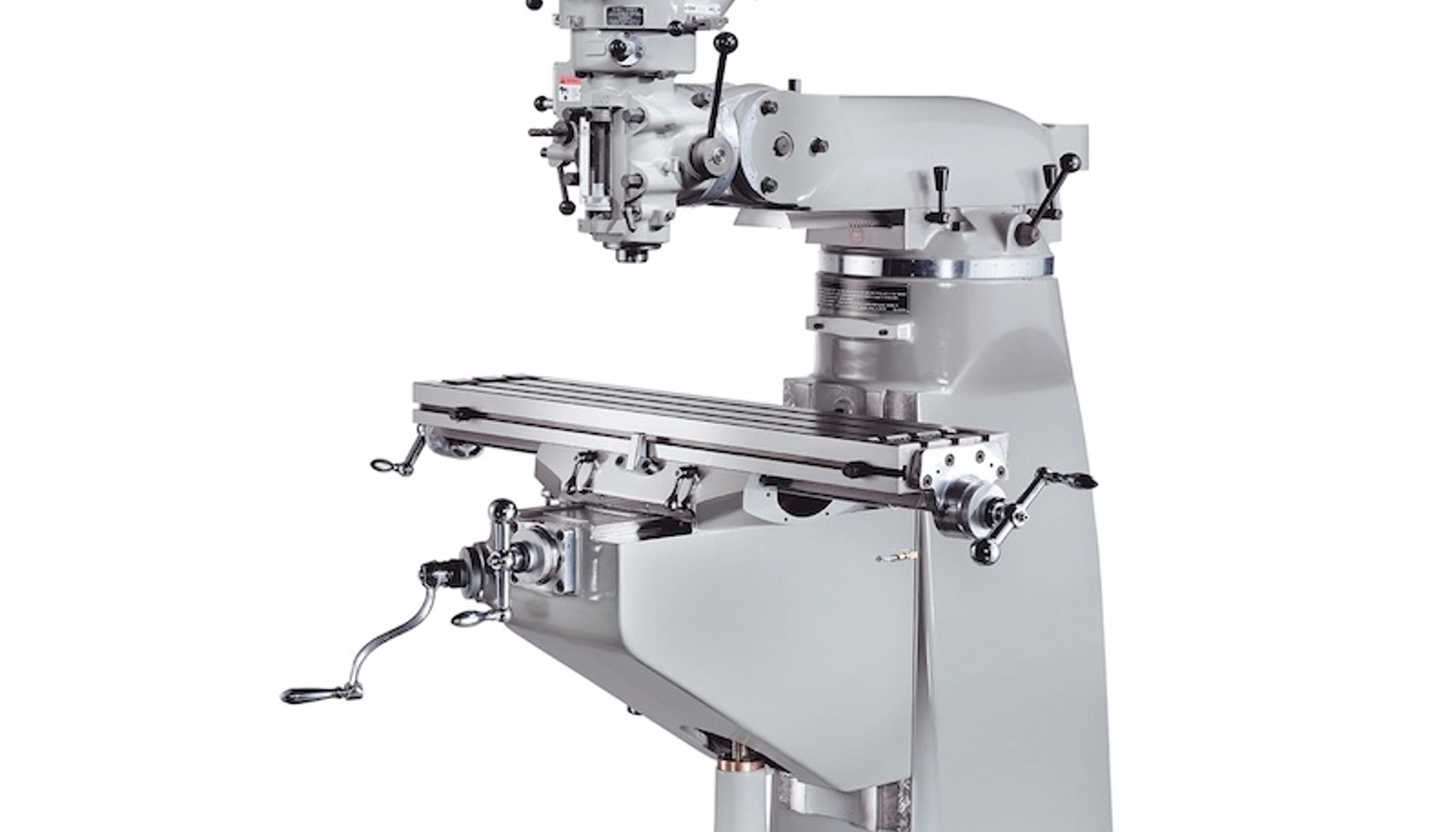
Image / roboticsandautomationnews.com
The knee mill won the flexibility vote, but precision still demands rigidity.
In precision manufacturing, the big decision isn’t “which machine is strongest?” but “which one fits the job bag you’re carrying this quarter.” The most recent turf battle pits knee mills against bed mills, two vertical formats that sit at opposite ends of the shop floor spectrum. Production data shows both formats can be excellent performers—if you match them to the work you actually do, not to a sales deck.
The article notes that knee mills and bed mills aren’t interchangeable widgets. Knee mills shine in high-mix, low-to-mid-volume environments where versatility matters more than sheer stock removal. Their smaller footprints, lower weight, and often friendlier price tag translate into easier site planning, faster setups, and more approachable operator changes. In shops tasked with prototyping, fixture-grooved geometries, or frequent tooling changes, a knee mill’s agility can compress development cycles and slash changeover times.
Bed mills, on the other hand, are the lineup’s workhorses for rigidity and long, precise passes. They typically offer a more robust column, heavier spindle supports, and larger work tables, which translate into steadier finishing passes on larger or more demanding parts. For tolerance-driven features along long axes, or workpieces that demand minimal chatter during deep cuts, bed mills tend to hold dimensional stability more predictably over longer runs. The tradeoff is floor space, higher upfront cost, and a longer path to fully leverage automation if the shop’s layout isn’t set up to handle a heavier, stiffer machine.
The takeaway, according to integration teams and shop-floor feedback, is context. If your part mix leans toward complex contours, tight pockets, and short production runs, the knee mill often provides a faster ramp to volume without locking you into a fixed, high-constraint process. If your part family is large, flat, and run-stable, with demanding straightness or surface finish requirements, a bed mill can deliver repeatable performance with less fuss over time.
From a workflow perspective, cycle time and throughput aren’t universal toggles; they’re function of part geometry, tooling strategy, and fixtureing. The article points to a broader truth: machining is as much about the setup and process control as the machine itself. Integration teams report that the bigger gains usually come from optimizing fixturing, CAM programming, and in-process inspection, rather than chasing a single “best machine.” In practice that means you’ll see the biggest payoff when the chosen format aligns with how you plan to fixture, inspect, and scale the workload.
Human labor remains a constant companion. Even with a knee mill’s nimble profile, tasks such as fixture design, workholding setup, and first-piece inspection still demand skilled operators and accurate gauging. For bed mills, the human role often shifts toward larger setup coordination, longer tool life planning, and robust process stabilization across multiple shifts. Hidden costs vendors don’t mention upfront—tooling complexity, fixture wear, and the need for stable foundations and power conditioning for precision runs—can tilt the economics once you’re past the demo.
A practical takeaway for plant leaders: map your part portfolio to the machine’s strengths, but plan for a mixed environment if your business demands both agility and high-precision stability. Look beyond purchase price to the total cost of ownership—training hours, fixture systems, amortized downtime, and the cadence of preventive maintenance. And don’t underestimate the benefit of a staged approach: begin with a single format anchored by a clear part-family strategy, then expand to a hybrid setup as throughput and tooling libraries grow.
What to watch next: investments in CAM workflows, offline programming, and fixture automation that let either format stay productive across shifts and part families. The knee mill-versus-bed-mill debate isn’t settled by a single test cut; it’s decided by the shop’s real production mix, its floor plan, and the discipline of its process engineers.
Sources
Newsletter
The Robotics Briefing
Weekly intelligence on automation, regulation, and investment trends - crafted for operators, researchers, and policy leaders.
No spam. Unsubscribe anytime. Read our privacy policy for details.