What we’re watching next in consumer
By Riley Hart
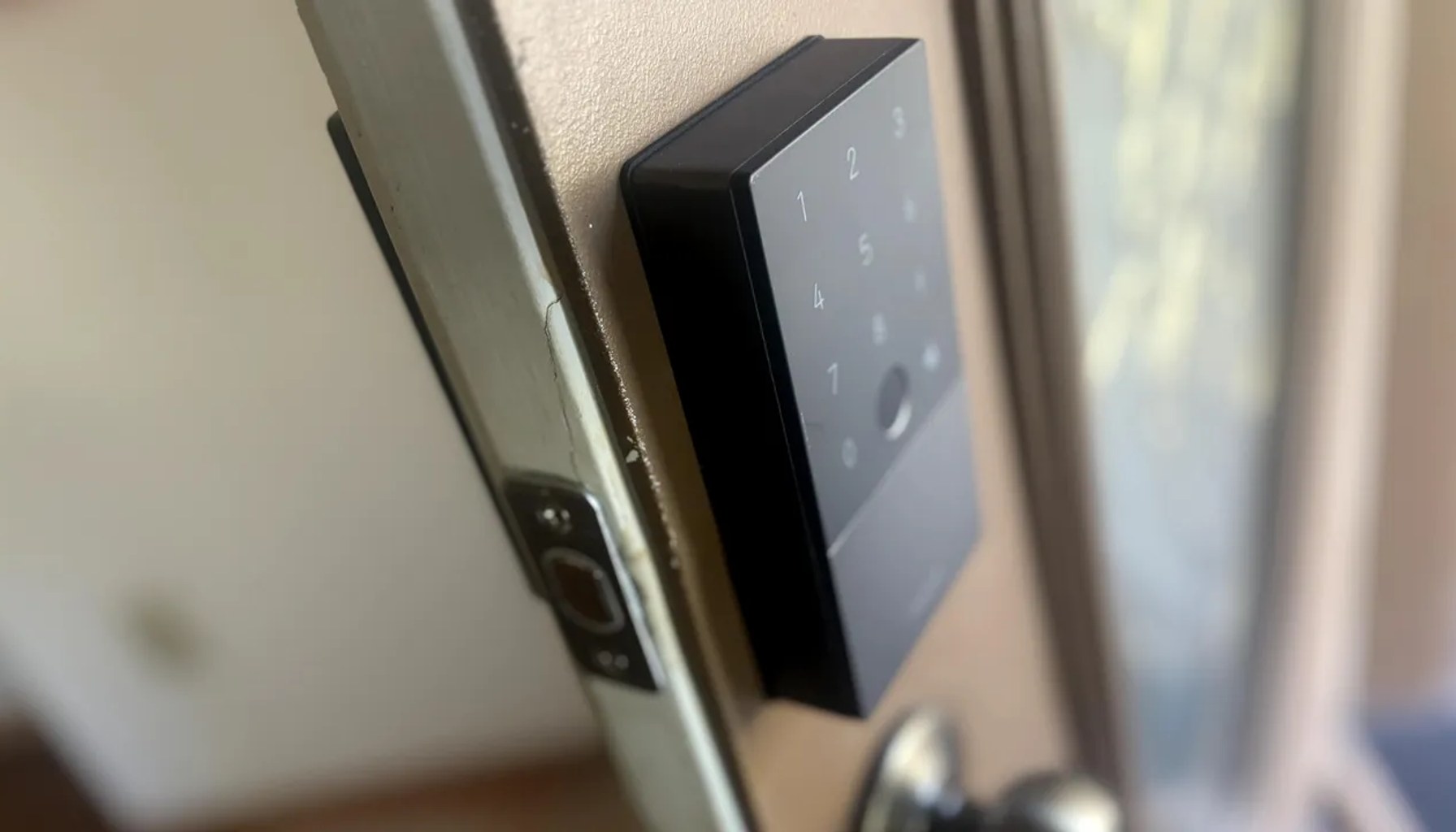
Image / cnet.com
Matter finally ties the smart home together—until it asks for a subscription.
The tech press is buzzing about Matter, the industry-standard effort to unify smart-home devices across brands, ecosystems, and apps. The Verge, CNET Smart Home, and Wired Gear have been chronicling its rollout: more devices support Matter, more manufacturers claim compatibility, and more households finally feel like they’re buying into a single, usable “smart home” instead of a suitcase of separate apps. But in real homes, the promise is meeting a practical wall: interop isn’t flawless, and a growing subset of devices add paid layers on top of basic, cross-brand control.
In hands-on reviews, testers found that setup has steadily improved as Matter bridges more devices and hubs. You can pull a compatible light bulb from Brand A into Brand B’s app, and routines that cross devices across ecosystems become more feasible. Yet the experience isn’t uniform. Older gadgets, non-Matter devices, and cloud-dependent features can still force you into multiple apps or accounts. Real-world performance varies not just by hardware but by how aggressively a manufacturer leans on cloud services for “smart features.” In user reports, patterns suggest consumers welcome the convenience in theory but push back when the price of entry becomes opaque or when features sit behind a paywall.
A notable tension is emerging: the same wave of interoperability that makes life easier can also normalizes paid add-ons that were once free or embedded in the device’s core software. Some vendors are layering subscription models on top of Matter-enabled control—unlocking advanced automations, remote diagnostics, or energy analytics—not solely for ongoing maintenance but as a revenue line. This subscription creep matters because it can erode the core value proposition of a simplified, single-app smart home. Real-world performance reveals that if you don’t rely on those paid features, you still get a decent baseline experience; but if you want the “next level” automation across brands, you may feel nudged toward a recurring cost.
Industry observers warn that the next phase will hinge on reliability, privacy, and price clarity. The upside remains clear: standardized communication means fewer compatibility headaches, faster onboarding, and more predictable device behavior. The risk, however, is a consumer backlash if the financial model undercuts the convenience story. If vendors insist on cloud-backed features as the default, households with spotty Wi‑Fi or privacy concerns may find themselves in a compromise between ease and control.
What we’re watching next in consumer
Sources
Sources
Newsletter
The Robotics Briefing
Weekly intelligence on automation, regulation, and investment trends - crafted for operators, researchers, and policy leaders.
No spam. Unsubscribe anytime. Read our privacy policy for details.