What we’re watching next in humanoids
By Sophia Chen
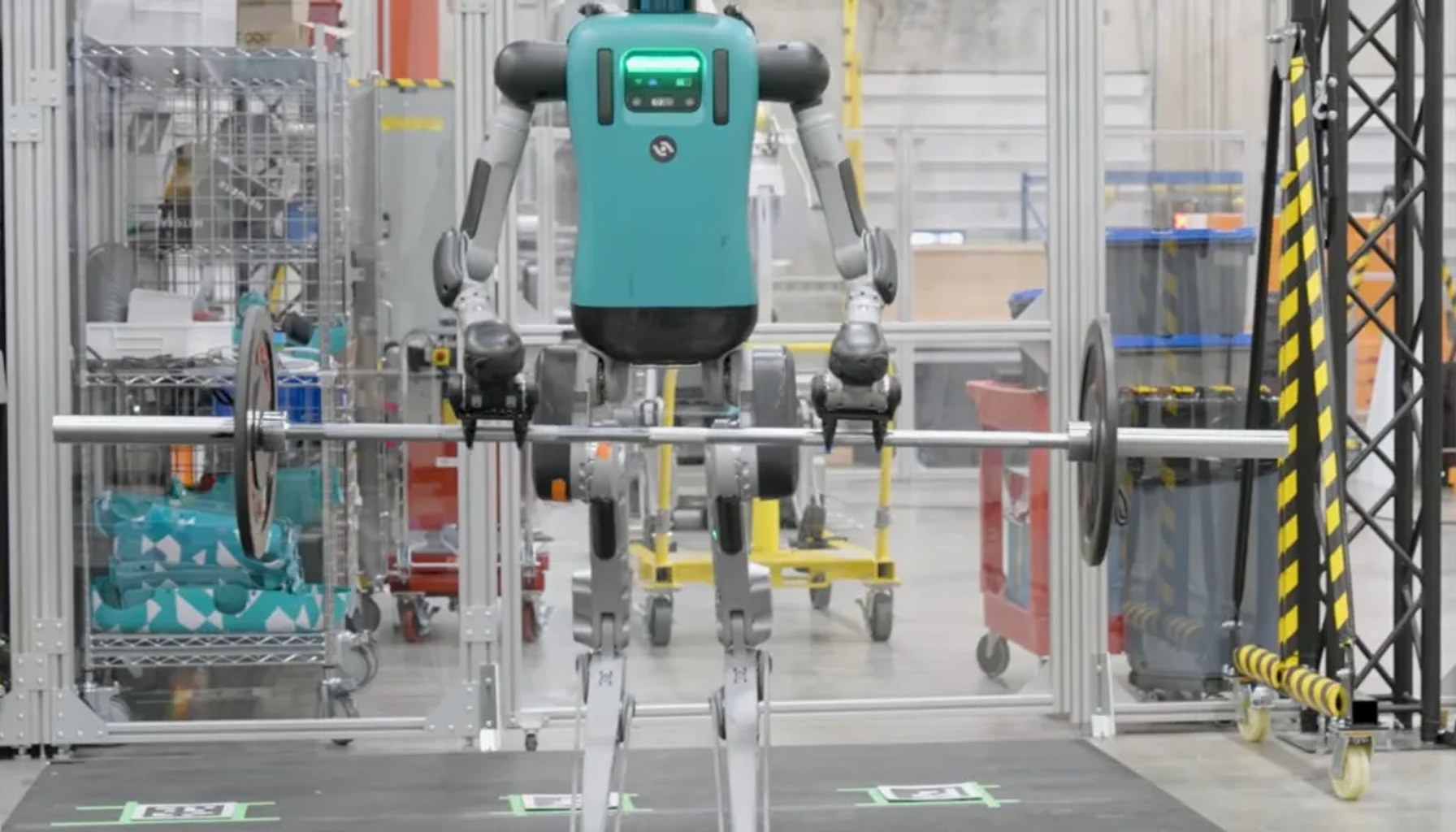
Image / spectrum.ieee.org
Three words changed everything: "It actually works." Humanoid progress is finally breaking free from the lab.
A trio of industry signals suggests a real shift from glossy demo reels to workable field-ready machines. IEEE Spectrum’s coverage emphasizes a broader push to move humanoids from controlled floors to real-world environments, where uneven terrain, varied lighting, and the noise of a busy workspace test every line of code and every joint torque. The Robot Report underscores ongoing funding, partnerships, and early deployments aimed at industrial tasks—doors, totes, and rough handling—rather than purely service-bot poses. Boston Dynamics’ own materials reinforce the trend: ongoing iterations in locomotion and manipulation, with a candid acknowledgment that reliability, safety, and energy management remain the meaningful bottlenecks.
What’s driving the shift? Engineers are trading showpiece accelerations for robust, repeatable gait cycles and dependable grasping under imperfect conditions. The technical conversations are moving toward endurance—how long a humanoid can operate before a recharge, how reliably it can adapt to slippery floors or cluttered hallways, and how much autonomy can be entrusted to avoid constant human supervision. In practice, this means more emphasis on torque distribution control, perception fusion for obstacle negotiation, and safer interaction protocols around human teammates.
One honest limitation keeps showing up despite the inches of progress: power and thermal management. Battery density and charging cadence remain the gating items for longer shift tasks, and many teams still rely on swappable packs to sustain meaningful uptime in field tests. Meanwhile, perception stacks—lidar/rusion sensors, stereo cameras, and their fusion into a reliable map of a dynamic workplace—continue to wrestle with glare, dust, and occlusion. The result is a steady cadence of incremental wins rather than one spectacular weekend breakthrough.
From a readiness perspective, what we’re seeing is a gradual climb. Technology Readiness Level discussions across the cited sources describe lab demonstrations inching toward controlled-environment trials, with occasional forays into semi-realistic workspaces. That trajectory is exactly what buyers and investors want to see: more than a neat trick, but less than a production-line robot with risk-prone failure modes.
The practical takeaway for developers and buyers is simple: expect more field pilots, with clear, measurable reliability and safety goals, rather than “it moves” videos. The focus will continue to be on robust walking over varied surfaces, dependable manipulation, and energy-efficient control policies that don’t crater performance when the battery dips.
What we’re watching next in humanoids
Sources
Newsletter
The Robotics Briefing
A daily front-page digest delivered around noon Central Time, with the strongest headlines linked straight into the full stories.
No spam. Unsubscribe anytime. Read our privacy policy for details.