Accenture backs AI-powered robots for factories
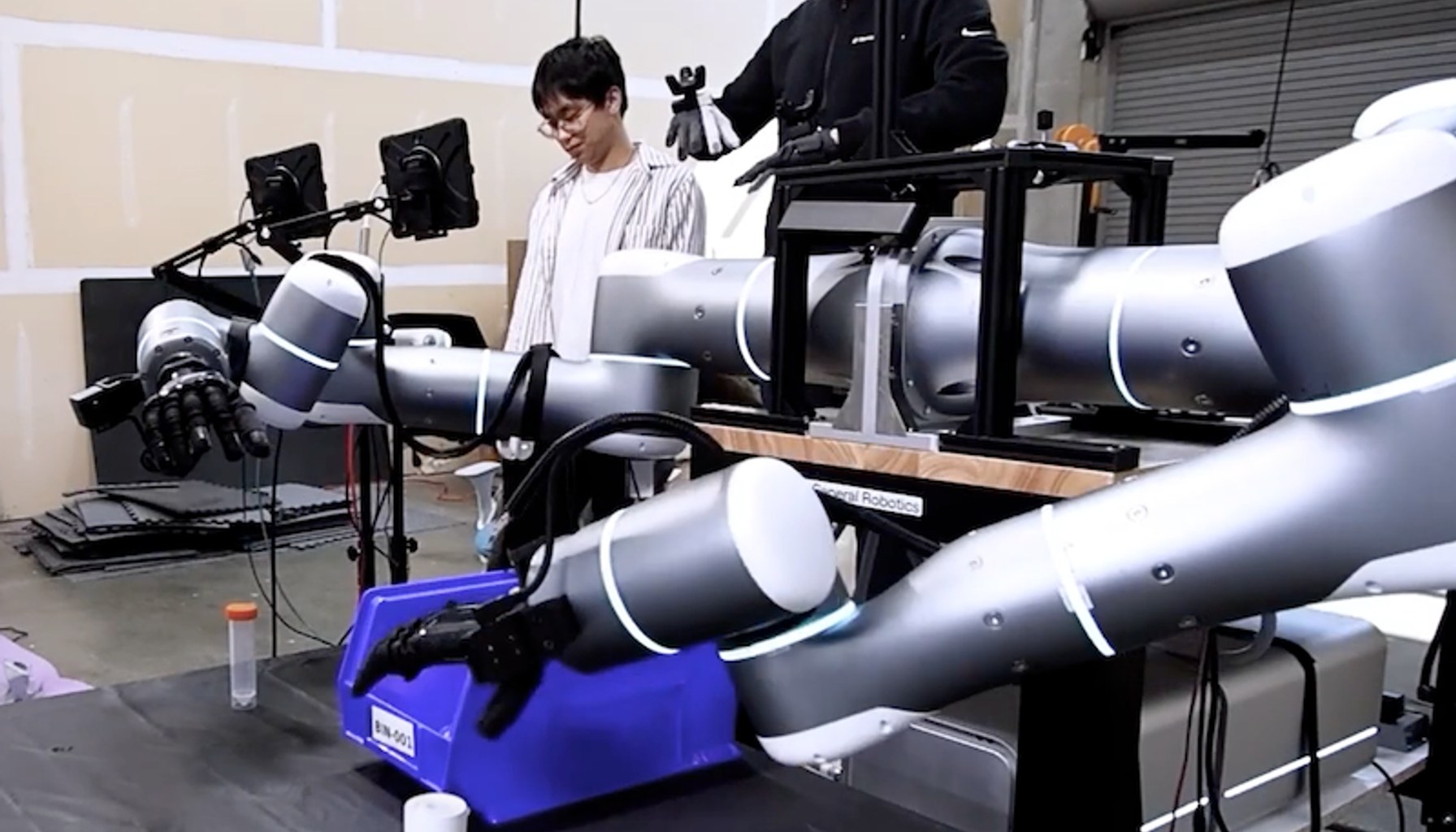
Accenture just plowed cash into General Robotics to accelerate AI-powered automation on factory floors.
In a move that signals a shift from bespoke automation to adaptable platforms, Accenture Ventures is investing in General Robotics, an AI-native robotics company that promises general-purpose robotic intelligence for rapid deployment and continuous adaptation. The arrangement foresees a joint effort to help manufacturers and logistics operators deploy robotic systems that can work with any AI and tackle any task, rather than rely on a single, one-off solution.
Industry observers say the investment reflects a broader push toward physical AI that can scale across sites and functions. General Robotics positions its technology as a capability layer that can sit atop existing hardware, letting plants swap in new AI models or reconfigure tasks without retooling the entire cell. If the approach proves durable, it could shorten the cycle from pilot to deployment—a perennial bottleneck when automation projects stall after the demo.
Still, the question remains: what does “rapid deployment” actually translate to in the real world? The partnership emphasizes integration over hype, but no deployment metrics or ROI numbers have been disclosed publicly. Production data and ROI documentation from the parties involved have not yet been released, so plant managers and CFOs must treat the collaboration as a strategic bet rather than a proven playbook—at least for now.
From a practitioner’s perspective, several realities loom large. First, even a generalist AI-enabled robot must be anchored to a factory’s control ecosystem. Integration teams report that connecting AI-driven perception, decision-making, and motion to existing PLCs, safety interlocks, and MES/ERP data streams is where the gains either crystallize or stall. Floor space, power provisioning, and network bandwidth are practical constraints that rarely vanish with a press release, and the cost of retrofits can erode early payback expectations.
Second, human-in-the-loop realities endure. Tasks that require nuanced quality checks, exception handling, or creative problem-solving still rely on skilled operators. The promise of “any task” is compelling, but it will be tested by the edge cases that haunt every factory floor—occasional jam, sensor drift, or unexpected product geometry. The humans who design, train, and monitor these systems will remain essential, and the learning curve—plus ongoing training hours—will matter as much as the hardware itself.
Another pressure point: the true cost of running AI-enabled automation isn’t just the robot. Hidden costs—software subscriptions, data labeling and model maintenance, cybersecurity, and the infrastructure to support continuous learning—often appear after the purchase. Vendors rarely advertise these line-items up front, but integrated, scalable deployments demand disciplined budgeting for them from day one.
Yet there is a clear signal for the industry: a major systems integrator backing a flexible AI robotics platform hints at a future where factories can convert multiple lines to AI-based automation more quickly than today. If Accenture and General Robotics can translate the promise into reliable, repeatable deployments, we could see the first wave of front-line gains materialize as shorter cycle times, fewer manual deviations, and a credible path to multi-site rollouts.
What to watch next: pilot deployments with explicit integration plans, documented training time budgets, and transparent ROI dashboards. The real proof will be in the numbers—cycle-time reductions, throughput gains, and a payback profile that isn’t just the product of a favorable slide deck.
- Accenture invests in General Robotics to advance physical AI-powered robotics in manufacturing and logisticsroboticsandautomationnews.com / Source role not classified / Published APR 15, 2026 / Accessed APR 16, 2026