Agentic AI Rewrites Software Engineering
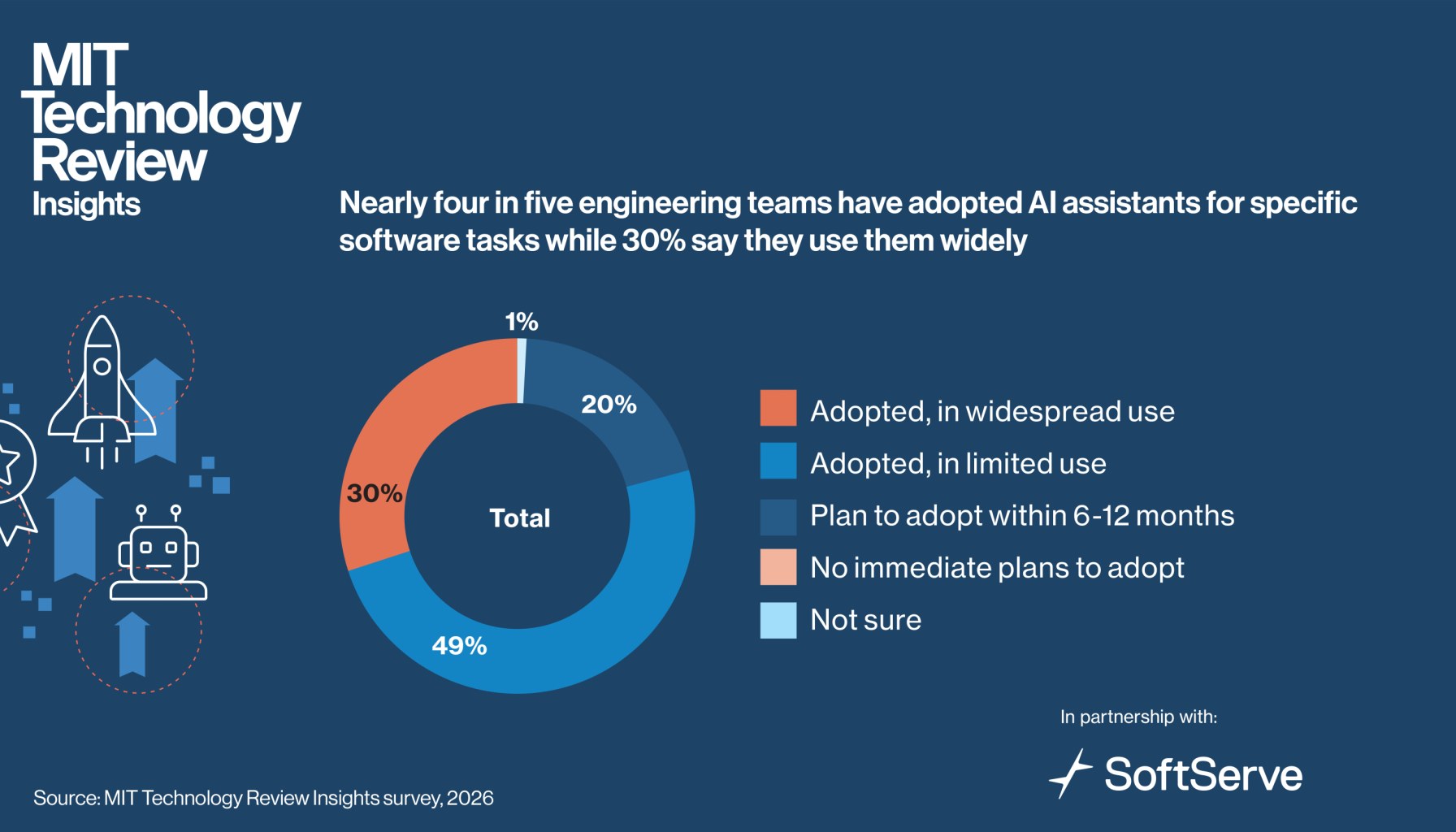
Agentic AI is moving from code helper to project CEO.
Software engineering may be staring at its third big shift, and this one has executives openly dreaming bigger than ever: AI that can reason, set goals, and steer an entire project end-to-end, not just autocomplete a line of code. The tech press and industry surveys describe agentic AI as a new breed of AI agents that self-direct tasks, orchestrate workflows, and, in principle, automate large swaths of the software lifecycle. But the punchline isn’t a flashy demo—it’s a cautionary note that adoption remains nascent, and the barriers to diffusion are real.
The framing is clear: two revolutions already rewired the field—open source and the DevOps/Agile wave that turned software development into a continuous, collaborative process. The third shift promises to take that empowerment and scale it to autonomous project governance. The idea is seductive: agents that can plan, assign work, monitor dependencies, adjust timelines, and intervene in builds and tests without constant human prompts. In other words, agentic AI would transform software engineering into something closer to end-to-end process automation—an agent-managed development and product lifecycle—rather than a collection of isolated tasks.
A recent survey of 300 engineering and technology executives underscores the tension driving this shift. The paper demonstrates strong appetite for agentic AI and tangible bets on its potential, but the reality on the ground is more incremental than exponential. Teams are currently deploying AI mainly to support discrete tasks—coding, testing, and debugging—within carefully bounded parameters. The leap to autonomous project management is still largely aspirational, and the path there will require deliberate changes to workflows, governance, and tooling. In short, the ambition is sky-high, but the road to full diffusion is long and carefully plotted.
Here are pragmatic takeaways for practitioners navigating the near-term horizon:
For products shipping this quarter, the signal is practical but cautious. Enterprises will look for pilot-ready platforms that offer safe integration with existing toolchains, strong governance features, and clear metrics for time-to-delivery and defect rates. Startups and incumbents alike should frame agentic AI tools as orchestration and governance layers—systems that empower teams to set direction while preserving human oversight—rather than a black-box replacement for human decision-making. The payoff, if the diffusion barriers can be lowered, is transformative: software that not only assists but autonomously steers, tests, and refines itself toward delivering business value.
The paper demonstrates a bold thesis about the future of software engineering. It’s not a guarantee of instant productivity leaps, but it is a compelling blueprint for what to watch as AI agents begin to inhabit more roles in the software lifecycle. The question remains whether organizations can tame the learning curve quickly enough to turn the promise into measurable, quarterly gains.
- Redefining the future of software engineeringtechnologyreview.com / Source role not classified / Published APR 14, 2026 / Accessed APR 15, 2026