AI Palletizing Arrives in Complex Warehouses
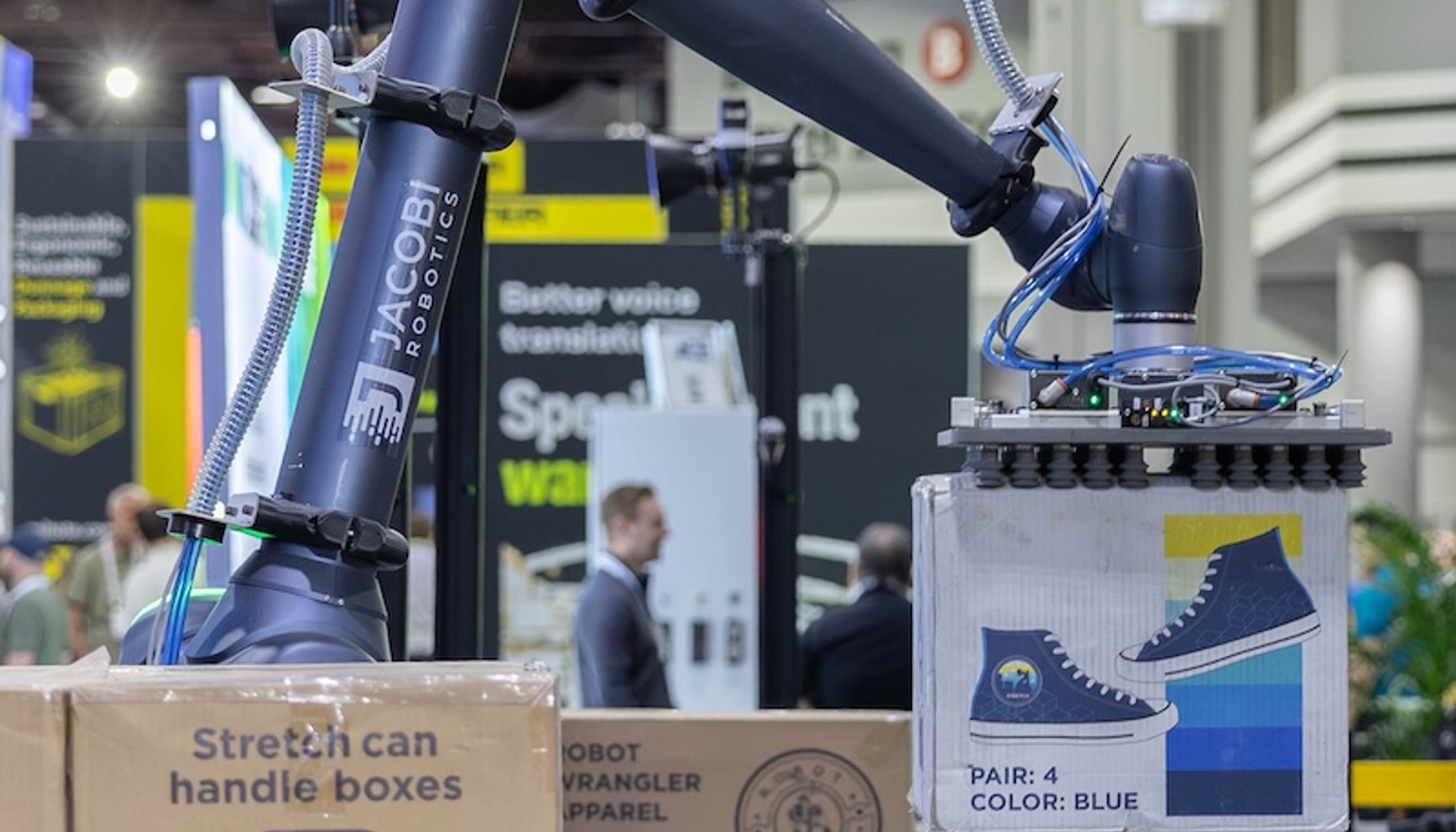
AI-powered palletizing lands on the warehouse floor, and orders start moving faster. Peak Technologies and Jacobi Robotics announced on April 16, 2026, a collaboration to deploy the Jacobi OmniPalletizer, a physical AI platform designed to tackle mixed-case palletizing in complex warehouses and distribution centers. The move signals a shift from glossy demos to line-side deployment, where the real payoff—throughput, accuracy, and labor reallocation—will be measured in days, not PowerPoint slides.
The partners position the OmniPalletizer as a next-generation solution for environments that juggle multiple SKUs, irregular case sizes, and tight shipping constraints. By embedding AI into the palletizing cell, the system aims to reduce upstream buffering, sorting, and sequencing that typically bottleneck inbound or outbound lanes. In practice, this means a single robotic cell can adapt on the fly to a changing mix of products, minimizing manual intervention during peak periods. Peak Technologies frames the joint offering as a way to extend the value of existing conveyors and warehouse control systems rather than replace them wholesale, a distinction many CM/SC planners insist upon when evaluating automation.
From a practitioner’s viewpoint, the most important takeaway is not the buzzword bingo around “physical AI” but what it could mean on the warehouse floor. Integration teams report that the OmniPalletizer acts as a bridge between high-level planning and line-level execution, translating orders from WMS and ERP into real-time pallet patterns that respect corner cases, weight limits, and stability constraints. Floor supervisors confirm that the system’s adaptive logic helps reduce manual re-stacking and rework, especially for mixed-case shipments that previously required separate handling streams or dedicated buffers.
Yet the deployment is not a panacea, and several cautionary notes matter for any capital decision. First, there are no disclosed numbers on cycle-time improvements, throughput gains, or payback periods in the initial release. That silence is telling: ROI in automated palletizing tends to hinge on SKU mix volatility, inbound/outbound cadence, and the degree of labor reallocation that an organization can achieve. Second, integration requirements—space allocation, power provisioning, and line-side control interfaces—must be locked in early. Robots don’t operate in a vacuum, and even a well-choreographed workflow can stumble if the cell is shoehorned into tight margins or a poorly mapped data ecosystem. Third, humans still have a critical role. The robot handles standardizable, high-frequency cases, but exceptions—rare items, damage checks, or mislabeled cartons—still demand human judgment and robust failure handling protocols. Finally, vendors seldom highlight hidden costs: ongoing software licenses, periodic AI model retraining, cybersecurity hardening for connected lines, and maintenance partnerships that extend beyond a vendor’s initial warranty window.
In the current environment, CFOs will want to see a full ROI story before green-lightting a multi-figure project. The ROI documentation for deployments of this kind often hinges on labor reallocation—what workers do when the routine palletizing is automated—and the transparency of integration costs. Industry observers note that, when executed with disciplined change management, projects like this can unlock meaningful cycle-time relief and allow shift-level reallocation to higher-skill tasks. But the exact payback curve will be unique to each facility, depending on how aggressively an organization standardizes mixed-case patterns, integrates with the warehouse’s voice or scanning systems, and trains the workforce to operate and maintain the new cell.
As the first wave of pilots moves from demos to floors, the real story will be operational data: queue lengths shrinking, jam rates trending downward, and a measurable lift in on-time ship dates. The curtain has risen on AI-assisted palletizing in complex environments; now the proof lies in the numbers.
- Peak Technologies partners with Jacobi Robotics to deliver next-generation mixed-case palletizing automationroboticsandautomationnews.com / Source role not classified / Published APR 16, 2026 / Accessed APR 16, 2026