APL Opens Amsterdam Fulfilment Hub
By Maxine Shaw
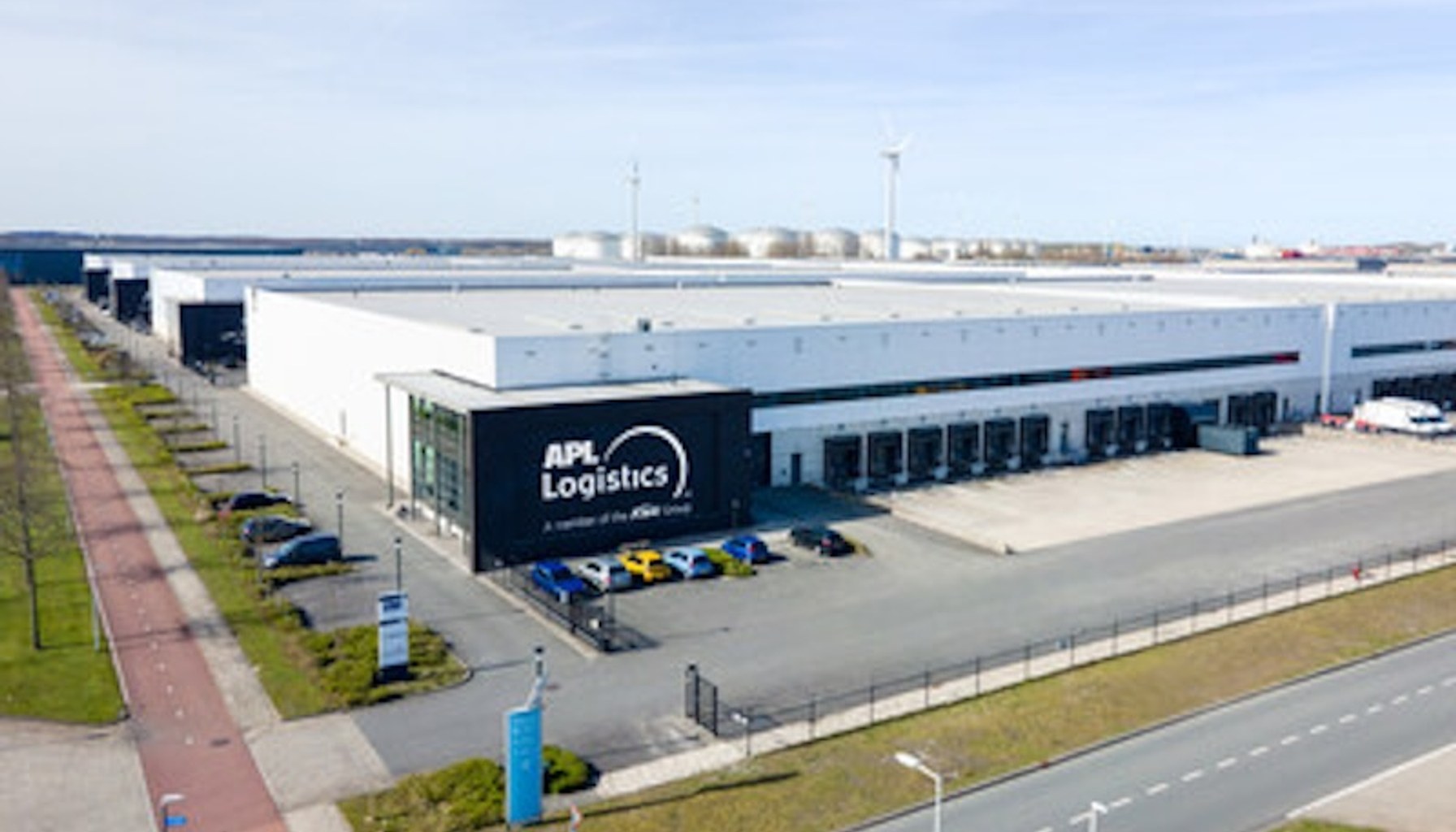
Image / roboticsandautomationnews.com
APL Logistics opens Amsterdam hub, turbocharging Europe’s distribution spine.
APL Logistics, a global supply chain logistics provider and member of the Kintetsu World Express Group, has launched a dedicated distribution and fulfilment warehouse in the Port of Amsterdam. The move, framed by the company as part of its long-running European expansion, signals a deliberate investment in infrastructure to meet rising customer demand and to tighten the company’s European network.
Located in the Port of Amsterdam, the new facility expands APL Logistics’ footprint at a time when e-commerce growth and regional demand are pushing shippers to rethink where they store and ship goods within Europe. As a member of Kintetsu World Express, APL Logistics ties this Amsterdam footprint into a broader global network, enabling more seamless cross-border flows for customers that require reliability across multiple European markets. The company describes the facility as a “dedicated distribution and fulfilment warehouse,” underscoring its role as a strategic node rather than a simple storage site.
Industry observers see several practical implications behind the Amsterdam opening. First, the city’s connectivity—its proximity to major sea lanes, road corridors, and inland distribution routes—positions the hub to support faster intra-European replenishment. That can translate to shorter cycle times for a broad swath of consumer and industrial goods, a perennial objective for shippers facing demanding retailers and volatile demand. Production data from sector analysts suggests that the ROI of new fulfilment centers in Europe hinges on meaningful improvements to lead times and delivery reliability, and Amsterdam’s location is tailor-made for that ambition. Operational metrics will ultimately prove whether the investment converts into measurable throughput gains and faster time-to-market for clients.
Second, the integration challenge remains the quiet but decisive factor in any new DC deployment. Integration teams report that the real work happens behind the scenes: linking the new site with the company’s warehouse management systems, transportation management systems, and ERP platforms so that inventory, orders, and shipments flow without friction. In practical terms, that means more than floor space; it means data interoperability, real-time visibility, and standardized processes across the network. In a market where every delay compounds downstream, the speed of IT alignment can determine whether the Amsterdam hub delivers the promised cycle-time improvements—or sits idle during peak periods.
Third, talent and training are non-trivial costs that often obscure the ROI math. The facility will require trained floor personnel who can operate both conventional warehousing equipment and any automated handling systems that may operate there. Floor supervisors confirm that staff readiness, safety training, and system familiarity all influence how quickly a new DC achieves steady-state performance. Those training hours—often folded into early-operator ramp-ups—are a real cost that must be weighed against the anticipated gains in accuracy and speed.
Finally, there are foreseeable tradeoffs and potential pitfalls. While the Amsterdam site unlocks regional connectivity, planners must manage peak-season capacity and maintain consistency across the broader network to avoid creating bottlenecks elsewhere. Hidden costs—utility use, maintenance for any automation, and potential retrofits to adjacent facilities—also creep into the ROI equation if not accounted for up front.
The Amsterdam centre’s opening is a concrete signal that Europe remains a high-priority arena for global logistic players, even as the market wrestles with cost pressures and evolving demand patterns. For now, the next critical milestones will be the measured improvements in cycle times and throughput, the clarity of integration with APL’s existing network, and the visible impact on customer delivery performance.
Sources
Newsletter
The Robotics Briefing
Weekly intelligence on automation, regulation, and investment trends - crafted for operators, researchers, and policy leaders.
No spam. Unsubscribe anytime. Read our privacy policy for details.