Castlevania Returns in Indie Showcase, Steals Spotlight
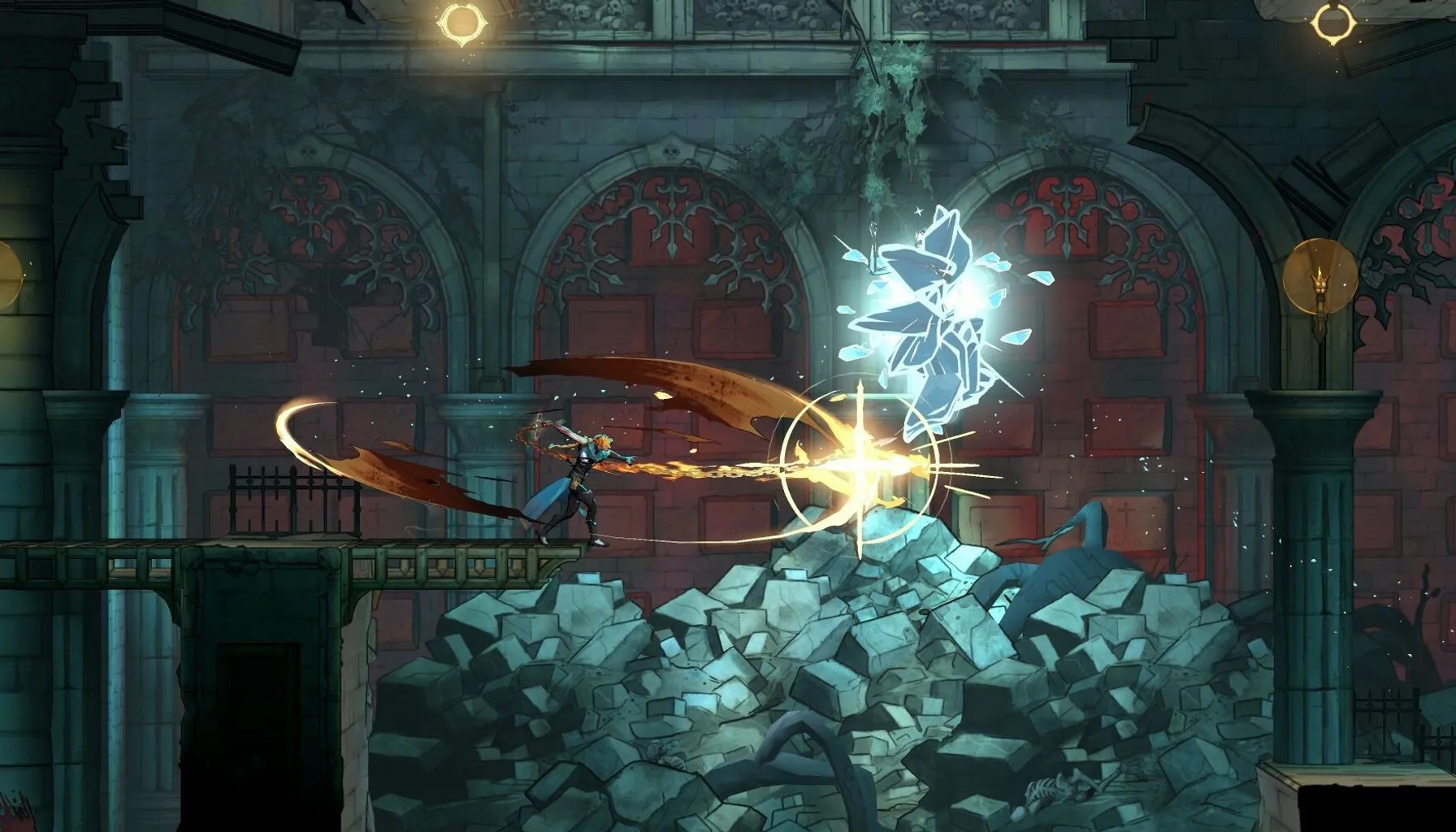
Castlevania makes a stealthy indie comeback, and the internet woke.
The Triple-I Initiative’s third edition wrapped up with a jolt of headline-making reveals, headlined by Konami’s return to Castlevania in a collaboration with Evil Empire and Motion Twin, the studio behind Dead Cells. The show also teased a new entry in the Don’t Starve series and a slate of other indie titles, offering a reminder that big-name IP can still find fresh life when paired with indie studios willing to experiment. The Verge’s recap captures the broader lineup, but the reaction is all about one pairing: a classic Castlevania license reimagined through a modern, roguelike lens.
From a consumer perspective, the crossover matters for more than nostalgia. It signals that major IP owners are increasingly open to sharing control with nimble studios that can innovate on mechanics and presentation without the heavy baggage of a big-budget AAA release. That approach has both upside and risk: fans may get a new flavor of a familiar world, but expectations for tone, combat feel, and iconic set-pieces are high—and indie teams must navigate licensing constraints and brand guardrails from the outset.
Industry observers point to several practical realities behind this kind of collaboration. First, licensing a beloved IP into an indie project is as much business as it is art. Konami’s choice to team with Evil Empire and Motion Twin suggests a structured development path that aims to preserve the Castlevania identity while letting the partners experiment with structure and progression—without surrendering control to an external publisher entirely. Real-world implications for players are tangible: licensing deals can accelerate development of a game with built-in fan demand, but they can also restrict creative pivots if the original IP’s flag remains too firmly planted.
Second, there are tradeoffs in how the game is designed. The Dead Cells connection hints at roguelike DNA—procedural flow, high-skill combat, and replayability—being married to a long-standing Castlevania aesthetic. For players, that could mean a fresh take on familiar atmosphere and boss rhythms, delivered with a portable-friendly, pick-up-and-play vibe. For developers, it means balancing homage with novelty, and managing fan expectations that come with a legendary franchise.
Third, the show’s indie-format signals market testing in real time. Crowdsourced feedback, trailer response, and early buzz can shape what the final product emphasizes. Indie showcases like Triple-I act as a canary in the coal mine: if the concept lands well, it can justify earlier investment in production pipelines; if not, it can nudge a pivot before resources are locked in.
Fourth, platform strategy remains a mystery at this stage. The reveal doesn’t specify release windows or platforms, which is typical for early-stage announcements. Historically, collaborations of this kind aim for a broad launch—PC and consoles with potential later ports—but publishers often choose staggered timing to manage risk and visibility.
What to watch next? Expect clarity on release targets, platform availability, and licensing terms in the coming months. If the collaboration sustains its momentum, we could see a Castlevania vision that respects the original’s mood but leans into modern, accessible indie design—worthy of a broader audience without surrendering the franchise’s core identity.
In the meantime, fans and shoppers shouldn’t expect a price tag or a date just yet. But the very existence of this project in a major indie showcase is a reminder: the best way to keep legacy IP alive isn’t a big-budget sequel alone—it’s smart partnerships that let new voices reinterpret a world for today.
- Castlevania headlines a big list of exciting indie game revealstheverge.com / Source role not classified / Published APR 09, 2026 / Accessed APR 09, 2026