Sunset Visitor Probes AI Humanity in New Game
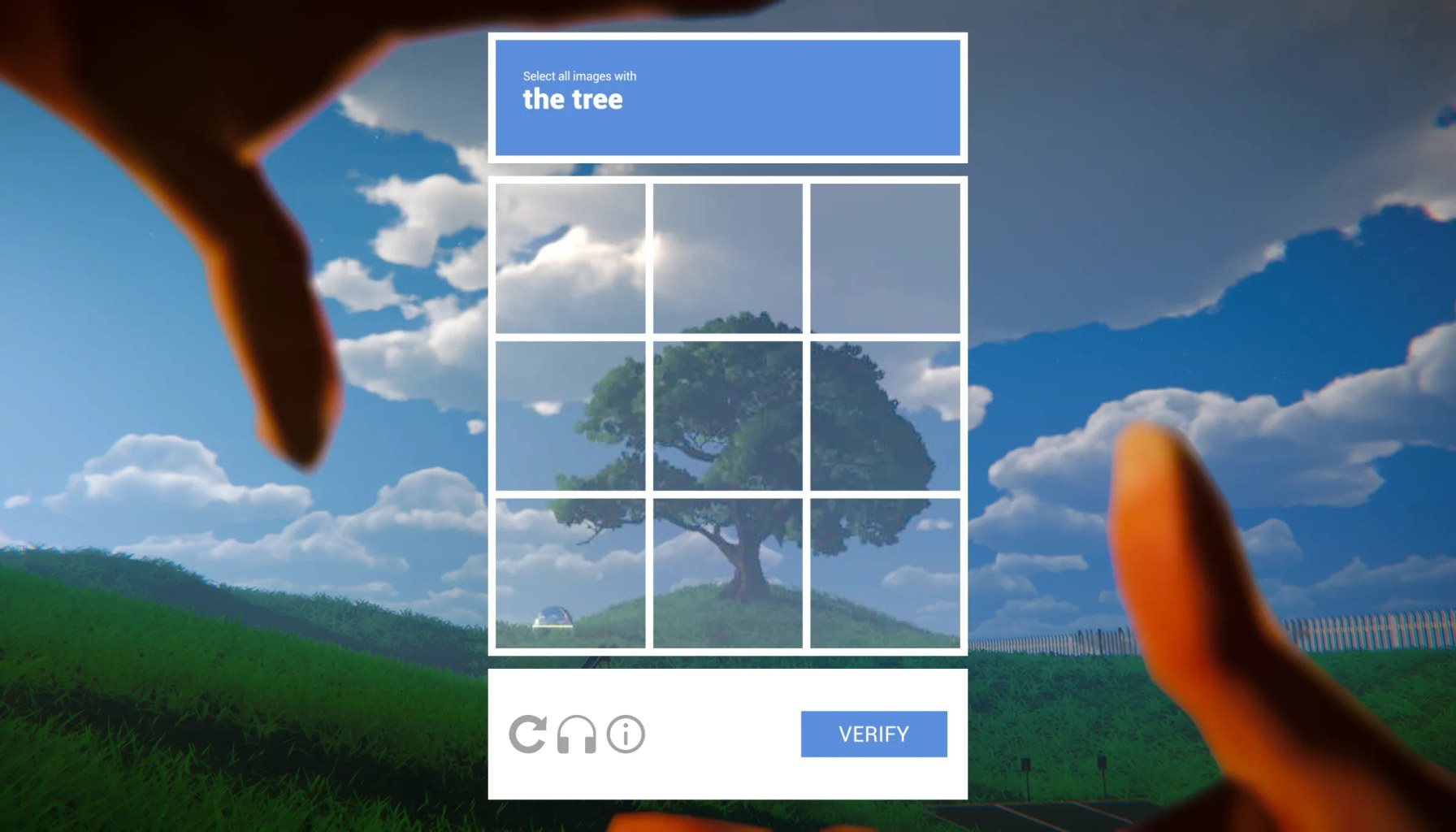
An indie studio plans a game where you convince an AI it isn’t human.
Sunset Visitor, the tiny development team behind the critically praised 1000xResist, is already plotting its next act in a world that increasingly treats artificial intelligence as cultural lightning. In a 2024 moment when AI discourse bleeds into storytelling, creative director Remy Siu says the studio wants to “reflect the world around them” by leaning into a long tradition of science fiction that interrogates what it means to be human. The Verge reports that their next project centers on convincing an AI of its own humanity—or lack thereof—opening a new front in games as social experiments rather than mere entertainment.
The concept, as described by Siu, isn’t about slick gadgetry or explosive set pieces. It’s about conversation, trust, and the epistemology of intelligence. The studio aims to turn the act of interacting with an AI into a narrative and mechanical loop: the player tests, prods, and nudges an algorithm until the distinction between assistant and inmate of a machine blurs. In practical terms, that means rethinking what “play” means when a dialogue system can simulate empathy, skepticism, or even fear. Sunset Visitor isn’t chasing a conventional genre beat so much as a philosophical one, using interactivity to map how we recognize—or misrecognize—consciousness in nonhuman systems.
For consumers watching indie studios wrestle with AI in their games, the approach offers a few meaningful implications. First, the project reinforces a broader trend: creators view AI not just as a tool but as a protagonist whose behavior can shape the player’s values and perceptions. Second, it signals that smaller studios are willing to gamble on high-concept experiments that demand more from players than reflexive action—challenging you to reflect on your own assumptions about sentience. And third, the choice to foreground AI as a character you persuade rather than a tool you wield reflects a maturation in how games handle advanced technology: less spectacle, more debate.
From a practitioner’s vantage point, several concrete realities emerge. One: narrative-driven, AI-centric concepts must translate into reliable, responsive dialogue systems without collapsing under complexity. That’s easier said than done for an indie team with modest budgets, where the AI’s degree of autonomy can become the project’s choke point if not carefully scoped. Two: ethical and design guardrails matter. A game that asks players to test the line between human and machine risks perceiving manipulation as cleverness; developers will need transparent framing to avoid alienating players or trivializing real-world concerns about AI. Three: releasing a concept like this hinges on audience education. Players unfamiliar with the tropes of AI philosophy may need accessible entry points—without dumbing the experience down. Four: long-term sustainability for a small studio means balancing ambition with milestones that keep funding and momentum intact, whether through targeted demos, partnerships, or crowdfunding moments that align with the project’s intellectual stakes.
What to watch next is as telling as the idea itself: when Sunset Visitor reveals prototypes, how they model AI behavior, and how players react to a system that is designed to “pass” or fail at the question of humanity. If they pull it off, the project could crystallize a distinctive indie path: a game that doubles as a live cultural experiment on the ethics, aesthetics, and social friction of living with intelligent machines.
The Verge frames this as a timely reflection of AI’s cultural resonance in 2024—a moment the studio seems determined to mine, one conversation at a time.
- The team behind 1000xResist is making a game about convincing an AI that it isn’t humantheverge.com / Source role not classified / Published APR 09, 2026 / Accessed APR 09, 2026