Apple Faces Higher Memory Costs Hit iPhone 17 and Neo
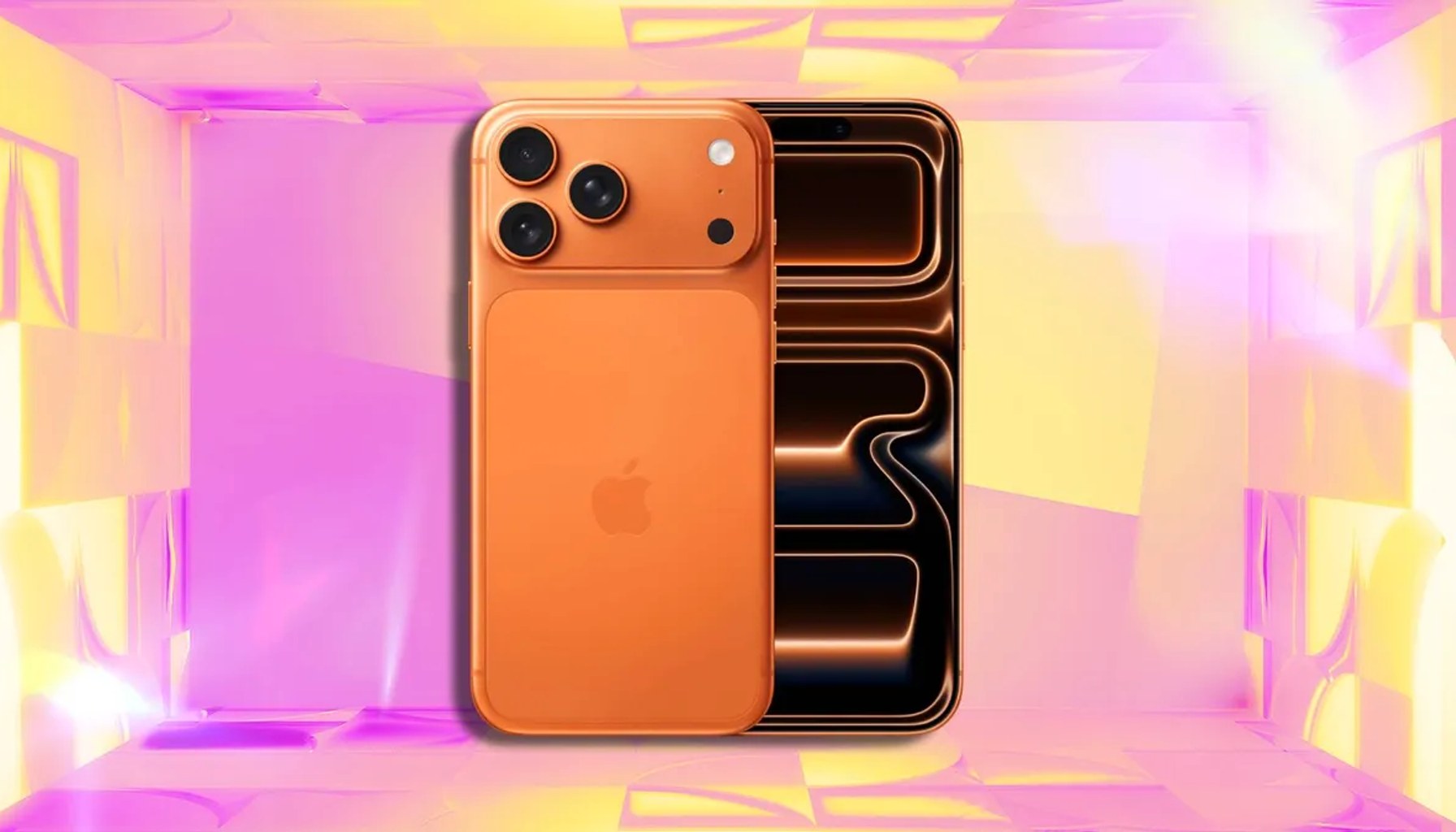
RAM costs are rising, and Apple says the hit will show up in the price of the iPhone 17 and MacBook Neo.
Testing shows Apple’s demand for those devices ran stronger than expected, but a RAM shortage now threatens to lift the sticker price on new stock. The company has not announced specific price changes or which configurations would be affected, but the warning is clear: memory costs are moving the goalposts for the next wave of flagship devices.
What makes this meaningful for shoppers is that memory, not just the processor or sensor, has become a meaningful piece of the device’s bill of materials. RAM and other memory components help determine how much data can be kept on hand for multitasking, camera bursts, and on-device AI features. When the memory supply chain tightens, the cost of those components goes up, and the price of the final product often follows. Apple’s note that memory costs could be “significantly higher” suggests the company is weighing how much of that increase it can absorb versus how much it should pass to consumers.
For listeners of the gadget market, this isn’t a theoretical issue. Apple’s product cadence hinges on balancing performance with price, and the iPhone 17 and MacBook Neo were already positioned as premium devices with ambitious memory and silicon configurations. If suppliers raise memory prices, Apple could respond in a few ways. It could raise base prices across the line, trim memory configurations on lower-tier SKUs, or negotiate tighter memory packs with suppliers, and all of those moves carry tradeoffs. A higher price reduces short-term demand pull, while a leaner configuration can attract buyers who prize future-proof specs but balk at the upfront cost.
From a consumer perspective, the most immediate question is whether you should buy now or wait. If you’re shopping for a major upgrade around the fall cycle, the memory cost premium could tilt the math toward waiting for a possible price adjustment, a promotional bundle, or a stronger trade-in offer. If you’re locked into a purchase window, you may see the price tag shift in the next generation of stock shipments, even if Apple delays an official price announcement. The practical reality: this is a cost trend, not a one-off budget tweak, and it could ripple beyond these two devices into Apple’s broader product line.
Industry observers should watch two things next: how Apple negotiates supplier contracts as memory prices climb, and whether it uses memory capacity as a differentiator across models. If the company cannot fully absorb higher RAM costs, expect selective price increases or tiered configurations to blur into the market with a more pronounced delta between base and high-end SKUs. And as memory vendors tighten supply or switch allocations to higher-margin customers, the broader PC and smartphone ecosystems could feel the effect in both price and availability.
Two to four practical takeaways for buyers and watchers:
In the end, Apple’s warning is a reminder that the cost of memory has become a material factor in consumer electronics pricing, even for premium devices that have long competed on perception of value as much as on specs.
- Apple Expects 'Significantly Higher Memory Costs' to Impact iPhone, MacBook Neocnet.com / Source role not classified / Published APR 30, 2026 / Accessed MAY 01, 2026