Apple patches hole that could reveal deleted Signal messages
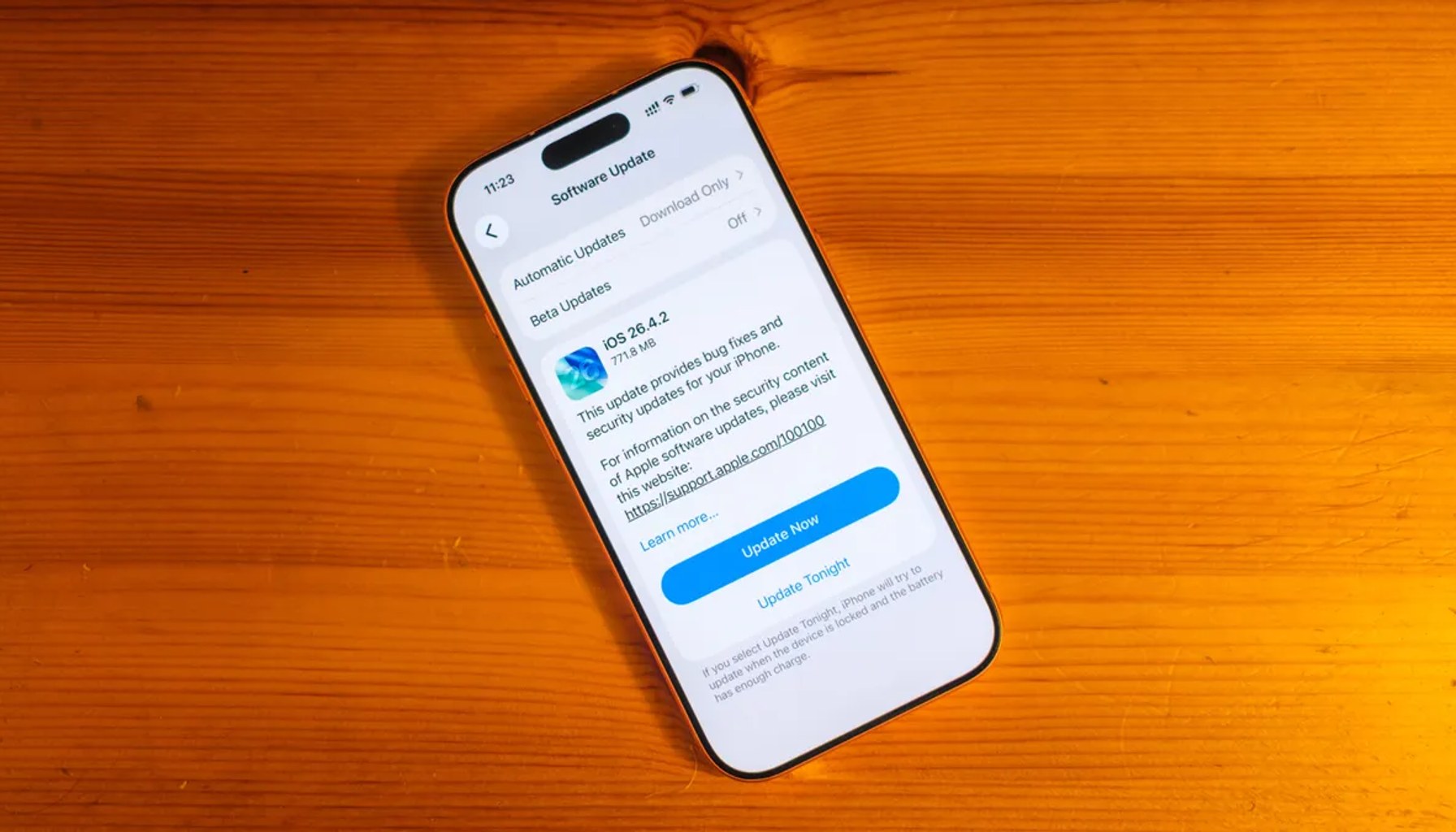
Apple's latest iOS patch shuts a privacy crack that could have let investigators retrieve deleted Signal messages.
The iPhone maker released iOS 26.4.2 to fix a security flaw that, if exploited, could have allowed access to Signal messages that users had already deleted. In practical terms, the update helps ensure that messages thought to be gone remain inaccessible on the device, tightening the privacy guarantees around one of the most scrutinized messaging ecosystems. The story matters beyond Signal fans because it highlights how even robust end-to-end encryption can be undermined by subtle platform vulnerabilities and the importance of patching quickly.
Signal is built on strong encryption to keep messages private from prying eyes, including the service itself. But a hole in iOS could have exposed a window into deleted content on the device, creating a scenario where data previously believed to be erased could potentially be retrieved. Apple’s update to 26.4.2 is designed to close that door, reinforcing the principle that user data belongs to the owner, not to a lurking bug or a court order that presumes access by the wrong party under faulty assumptions.
For everyday users, the takeaway is simple: install updates promptly. In today’s software reality, a single oversight in a widely used operating system can ripple across apps that rely on the platform for security. The patch does not change how signals are encrypted in transit, but it does matter for what happens after a message reaches the device. It reduces the risk that a deleted message could resurface through someone with the right tools or a misconfigured backup. That distinction is subtle but critical for preserving the sense of control users expect when they delete content.
From a consumer perspective, this episode is a reminder that privacy protection is a moving target. Apple has repeatedly argued that updating devices is a core part of maintaining security, and this incident reinforces why routine updates should be part of any digital hygiene routine. It also spotlights the tension in the broader privacy conversation: even while platforms push strong protections, the way data is stored locally and retrieved can create exposure pathways that only a small, well-timed patch can shut.
Industry observers note that the incident illuminates a longer-term pattern in mobile security. No system is invulnerable, especially when the attack surface includes sophisticated backup processes, local storage, and cross-app interactions on a highly connected device. The fact that Apple moved quickly to fix the vulnerability while Signal users continue to rely on robust encryption demonstrates a healthy, if imperfect, dynamic: vendors acknowledge holes, disclose them responsibly, and push fixes to protect millions of users within days or weeks.
Two concrete takeaways for practitioners and buyers: first, the value of prompt software updates cannot be overstated. Second, even with strong encryption, users should be mindful of how backups are configured and how devices sync data across apps and services. For power users who rely on high privacy, this means staying informed about firmware and OS updates, reviewing backup settings, and understanding that deletion behavior can be more complex than it appears on the surface.
In the end, the 26.4.2 patch is a win for privacy in the sense that it closes a real-world risk vector. It doesn’t turn messaging into a flawless fortress, but it does reinforce a critical habit for anyone who cares about control over their own data: keep the software up to date.
- Apple Plugs Security Hole That Enabled FBI to Access Deleted Signal Messages on iPhonecnet.com / Source role not classified / Published APR 30, 2026 / Accessed MAY 01, 2026