Surplus Robots Hit Auction Block as Supplier Clears Floor Space
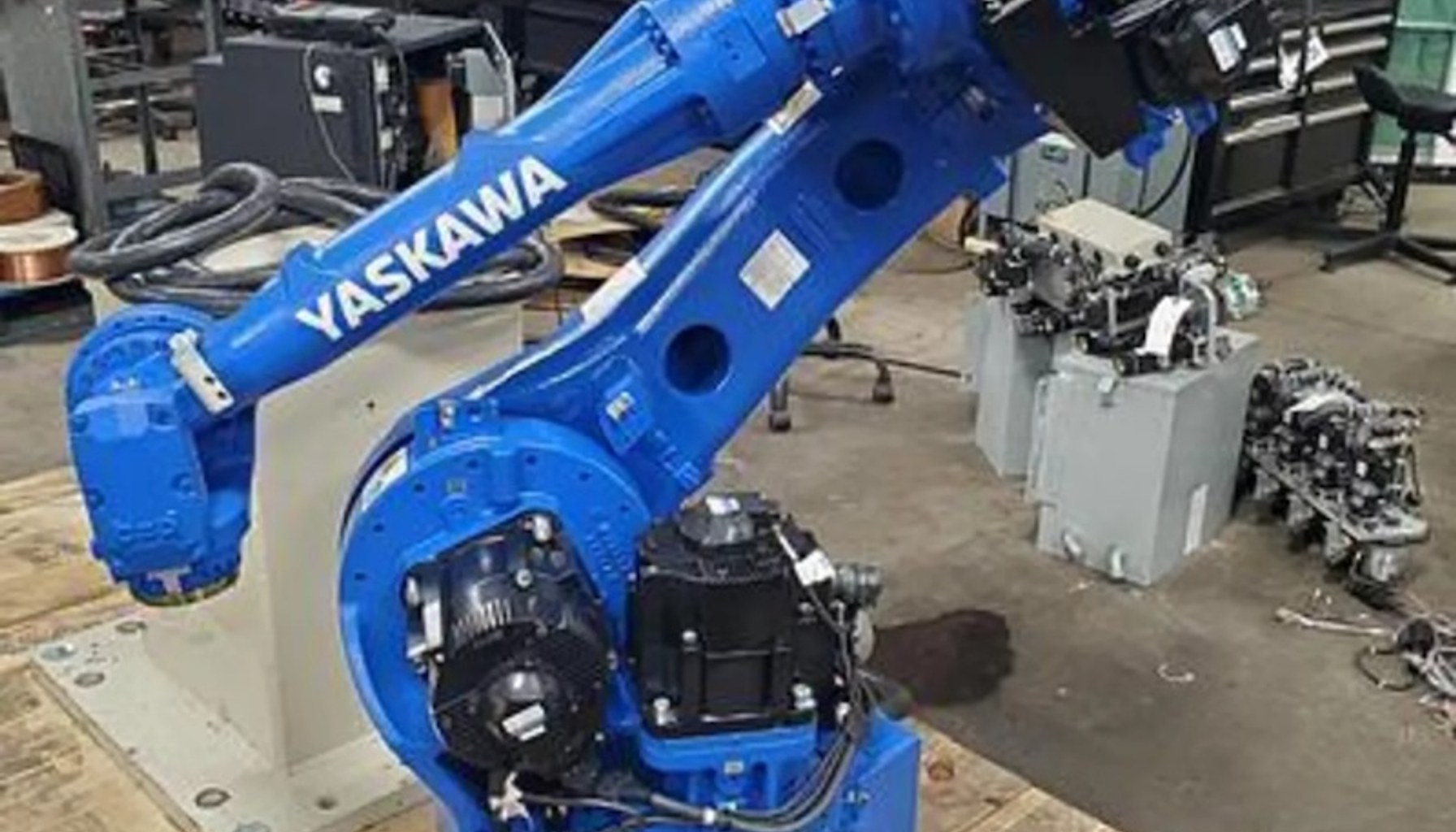
More than 150 robots from FANUC, ABB, KUKA, and Yaskawa are headed to auction as a major supplier clears floor space.
BTM Industrial, a leading asset disposition firm, is organizing the sale of surplus inventory from a large industrial robotics supplier. The docket includes not only robots and controllers but also robot welders and a range of production support equipment. The aim is to free up real estate for ongoing work while letting buyers pick through a bundle of brand-name assets that span multiple generations of automation.
This kind of liquidation activity is not unusual in a mature, highly automated sector. When a supplier or end user reconfigures its footprint or shifts technology strategies, an auction becomes a practical mechanism to recoup value from idle equipment rather than letting it sit in a warehouse. For potential buyers, the mix of brands FANUC, ABB, KUKA, and Yaskawa offers a chance to assemble a versatile fleet at what can be attractive price points, particularly for mid-market integrators looking to bolt onto existing lines or stand up pilot cells with limited capital.
But the upside comes with cautions. Used robotics assets can deliver price benefits, yet they also carry risks that aren’t always apparent in glossy marketing. Integration teams report that the real work begins after the bid is won: rehoming cells into existing lines, ensuring control platforms talk to current software ecosystems, and validating safety interlocks in a live manufacturing environment. In practice, these factors determine whether a discount on the sticker price translates into meaningful payback on the shop floor.
Buyers should anticipate that not all pieces will be plug-and-play. Many of the assets on offer will rely on aging control hardware or outdated software licenses that may require renegotiation or software upgrades. The sale also highlights the ongoing demand for welding equipment and other production support hardware that often accompanies robot assets in a fully functional cell. Integrators and floor managers alike should plan for potential downtime during de-commissioning, re-integration, and commissioning, as well as the need for specialized training hours for operators and technicians.
From a practitioner standpoint, several realities emerge. First, the most compelling value often comes from cost-optimized re-use of existing program libraries and cell layouts, rather than chasing a perfect, brand-pure fleet. Second, spare parts availability becomes a real constraint once you move beyond the current generation of controllers, so buyers must map parts channels and lifecycles before purchase. Third, safety compliance and retraining are non-trivial costs that can erode perceived savings if underestimated. Finally, hidden labor and software-licensing costs frequently surface only after the purchase is complete, underscoring the need for detailed integration planning before bidding closes.
For plant managers and operations directors eyeing the auction, the key takeaway is to treat this as a strategic purchasing opportunity rather than a pure bargain hunt. The discount is real, but so are the integration risks. As with any major asset disposition, the value resides in how cleanly the assets can be redeployed into current production needs, how quickly they can be brought up to stable operation, and what the total cost of ownership looks like once installation, training, and maintenance are factored in.
- Surplus robots, robot welders, and support equipment to be auctioned by BTM Industrialroboticsandautomationnews.com / Source role not classified / Published APR 30, 2026 / Accessed MAY 01, 2026