Physical Intelligence unveils π0.7 robot brain for self guided tasks
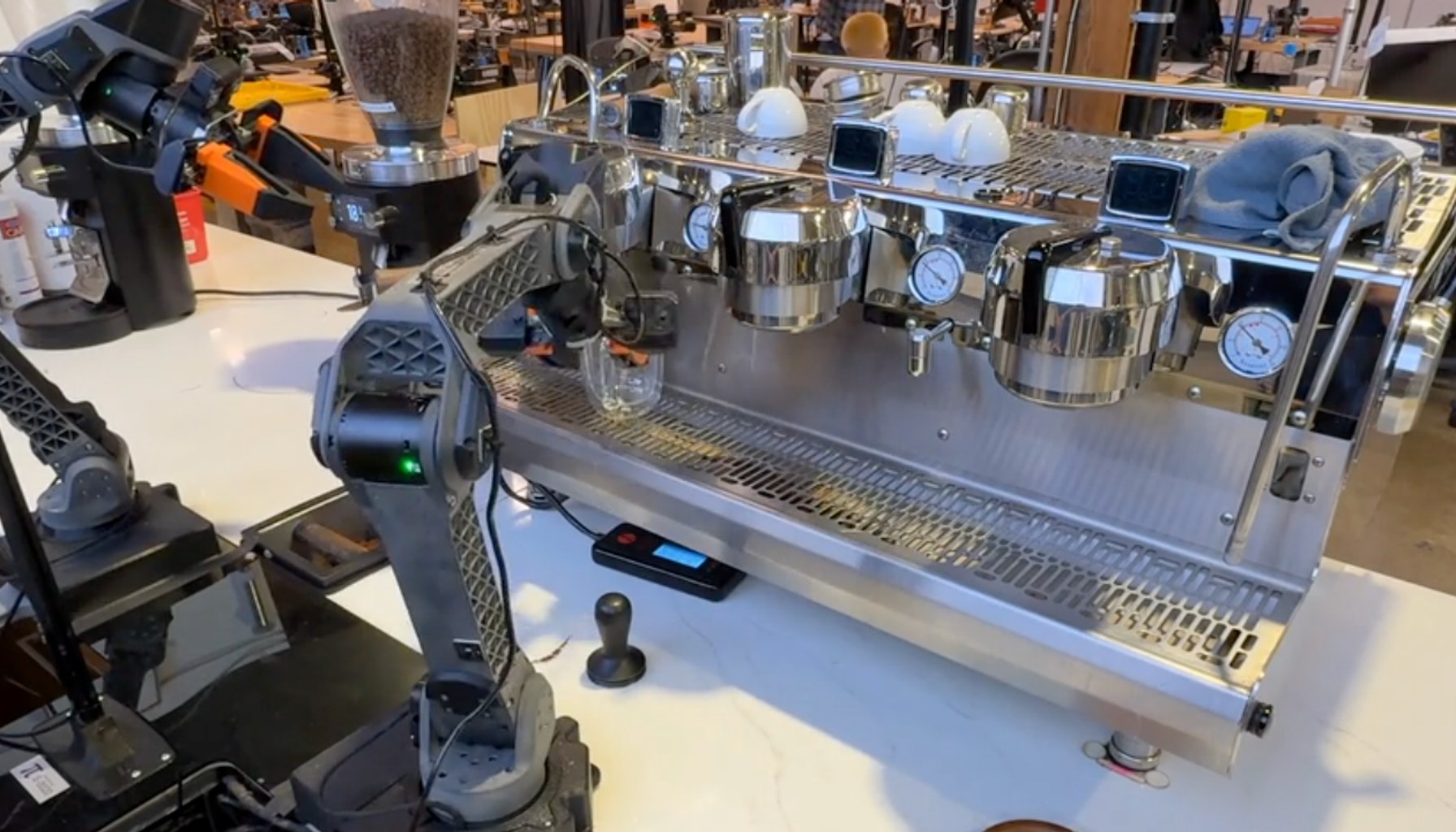
A robot brain that learns tasks itself just landed.
Physical Intelligence is pushing hard on the idea of a general purpose robot brain with its π0.7 model, a system the company says can figure out tasks it was never taught. Engineering documentation shows the π0.7 is meant to blend perception, planning and control into a single, learnable module rather than a catalog of task specific policies. In practice that means the system tries to form a usable model of the world from raw sensor data and then decide what to do next without being steered by explicit instructions for every scenario.
Lab testing confirms a central claim: the robot can generalize beyond its training set to handle tasks it has not seen before. The team describes a workflow where the brain absorbs self generated experiences, builds a predictive world model, and uses that model to pick actions that move toward a goal. The result, they say, is a step toward a universal controller that could steer a humanoid through unfamiliar environments with minimal hand tuning. The rhetoric is bold, but the path to generality remains a long ramp rather than a straight line.
From a practitioner standpoint the development centers on a single, powerful idea: reduce the dependency on task specific programming. If a robot can infer what to do in a new situation from a compact internal model, this could dramatically cut the time between discovery and deployment. Yet it is important to separate promise from proof. The technical specifications reveal a clear intent to unify sensing, reasoning and actuation, but the public materials do not publish performance envelopes, failure modes, or worst case behavior. In other words, the π0.7 may be able to improvise in a controlled demo, but the true test is rugged operation outside the lab.
One topic not fully resolved by the available writeups is the hardware side. DOF counts and payload capacity for π0.7’s humanoid platform are not published in the materials public to date. Without those numbers it is hard to translate the brain’s promises into real world manipulation capabilities. In this space the missing details matter: a robust general brain needs to interface cleanly with hands and arms that can grip, rotate and manipulate objects of varying weight and shape while maintaining safety margins. The absence of disclosed mechanical specs makes it difficult to gauge how well the brain will translate its planning into precise, force controlled actions in cluttered environments.
The broader context is a familiar arc in robotics. Across the industry, early demonstrations of general purpose AI in hardware have delivered impressive demos but limited field readiness. The π0.7 story slots into a lineage of prototypes that show what is possible when perception and control pipelines are tightly integrated with learning systems. The improvements, at least on paper, look meaningful: deeper sensor fusion, more robust world models and a workflow that promotes continual learning rather than one off training sessions. But the delta between a lab demo and a production robot with predictable, repeatable performance remains the hard gulf to cross.
What to watch next is concrete: published benchmarks that quantify task generalization across a representative set of manipulation, navigation and tool use scenarios; transparent reporting on inference latency, energy draw and compute requirements; and independent replication in a second lab to validate robustness. If π0.7 can show scalable gains in real world tasks without exploding compute needs or compromising safety, it will become more than a clever demo. Until then, it remains a promising step in the quest for a truly general robot brain, not a finished product.
- Physical Intelligence, a hot robotics startup, says its new robot brain can figure out tasks it was never taughttechcrunch.com / Source role not classified / Published APR 16, 2026 / Accessed MAY 01, 2026