Apple taps hardware boss John Ternus as CEO
By Riley Hart
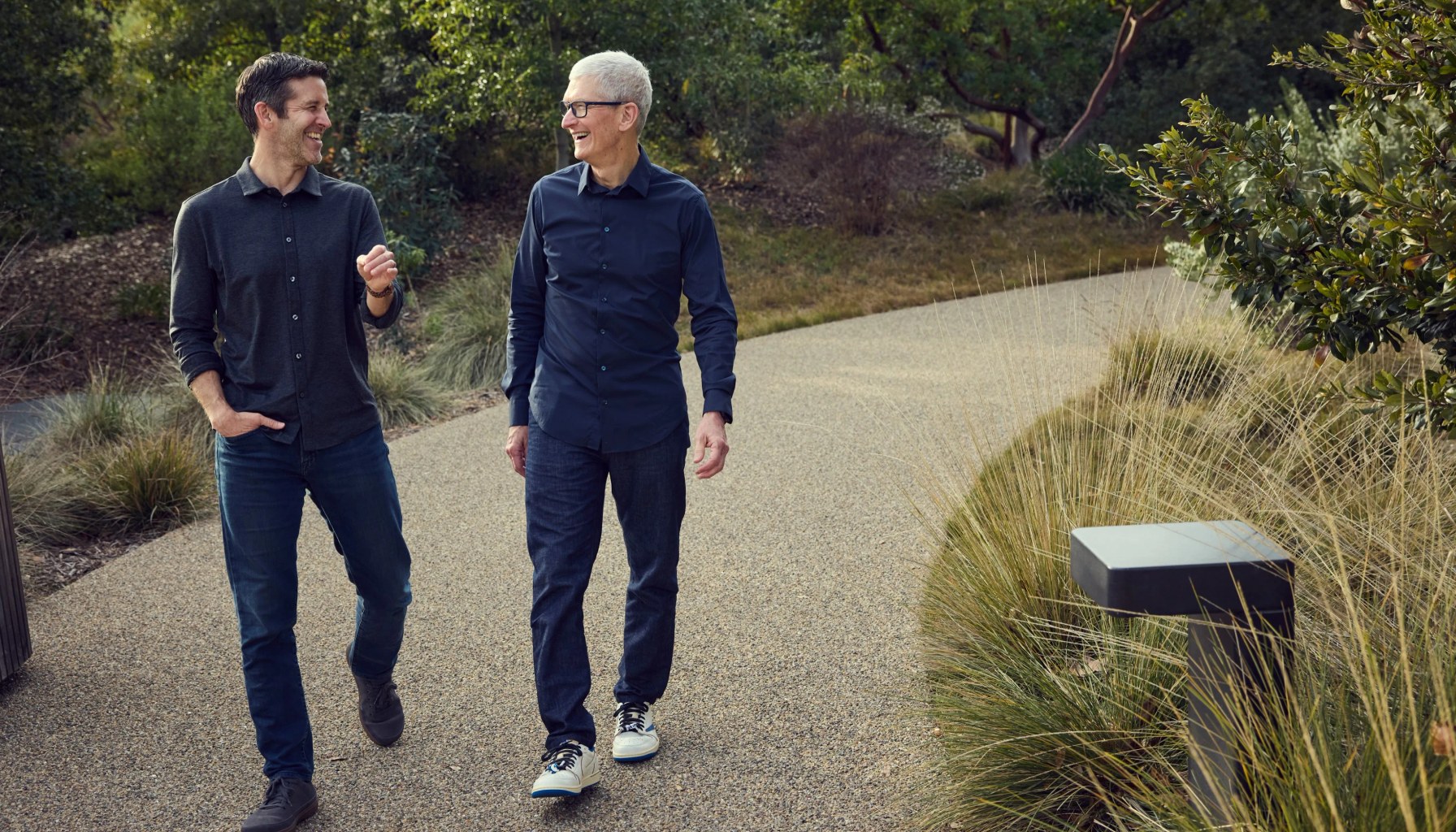
Image / theverge.com
Apple taps hardware boss John Ternus to replace Tim Cook as CEO. The move, announced for this fall, positions a longtime internal advocate of Apple’s device-engineering machine at the top as Tim Cook steps down on September 1 and Johny Srouji moves into a new Chief Hardware Officer role to keep the silicon and devices aligned.
In hands-on terms, this is a leadership handoff built on a familiar playbook: preserve Apple’s ruthless discipline on product quality and supply chain while signaling continuity to investors and loyal customers. The Verge reports that Ternus, who has run Apple’s hardware engineering portfolio, will steer the company through a critical period of product refreshes and software services that rely on tightly integrated devices and silicon. The change is framed as a transition within Apple’s product-centric DNA rather than a radical pivot toward a new strategic horizon.
Industry watchers note the implications go beyond a name on the letterhead. Ternus has been closely tied to the mechanics of Apple’s most visible products—from iPhone to Mac to wearables—meaning the company’s fidelity to its hardware-led playbook should stay intact. Apple’s decision to also appoint Johny Srouji as Chief Hardware Officer reinforces a dual-track approach: one leader focused on the business and product cadence (Ternus, as CEO), and another formally charged with steering the hardware road map across product lines (Srouji). In practice, that structure mirrors how Apple has long insulated its most sensitive decisions from the typical executive churn you see at other tech firms.
Two practitioner truths emerge from this transition. First, leadership changes at Apple rarely imply an overnight shift in strategy; they tend to reaffirm a path that already works: extraordinary hardware engineering coupled with a tightly controlled ecosystem. Second, the optics of appointing a Chief Hardware Officer alongside a CEO who understands the engineering spine suggest Apple intends to keep the hardware–software–services loop intact, avoiding the lure of quick pivots toward unproven bets. For consumers, that means ongoing expectations of premium build, long software support, and a consistent cadence of device refreshes—elements Apple has sharpened over years, even as competition accelerates in AI-enabled features and alternating form factors.
Yet the transition isn’t without risk. The most visible head-of-state moves in a company this large can shake investor nerves if execution stalls or if internal agreements over product priorities appear unsettled. Apple’s ability to keep product pricing, secrecy, and launch calendars steady will be the early tell. In the near term, observers will watch how Ternus communicates Apple’s roadmap to the public and whether the internal balance between hardware rigor and software innovation remains as tight as it has been.
Bottom line for consumers and market watchers: this is a stability play dressed as a leadership upgrade. Expect a continued emphasis on Apple’s core strength—coherent, high‑quality devices tightly integrated with services—under a leadership team that has spent years delivering those exact outcomes.
Sources
Newsletter
The Robotics Briefing
A daily front-page digest delivered around noon Central Time, with the strongest headlines linked straight into the full stories.
No spam. Unsubscribe anytime. Read our privacy policy for details.