Iran Blackout Outsmarted by Satellite Data Trick
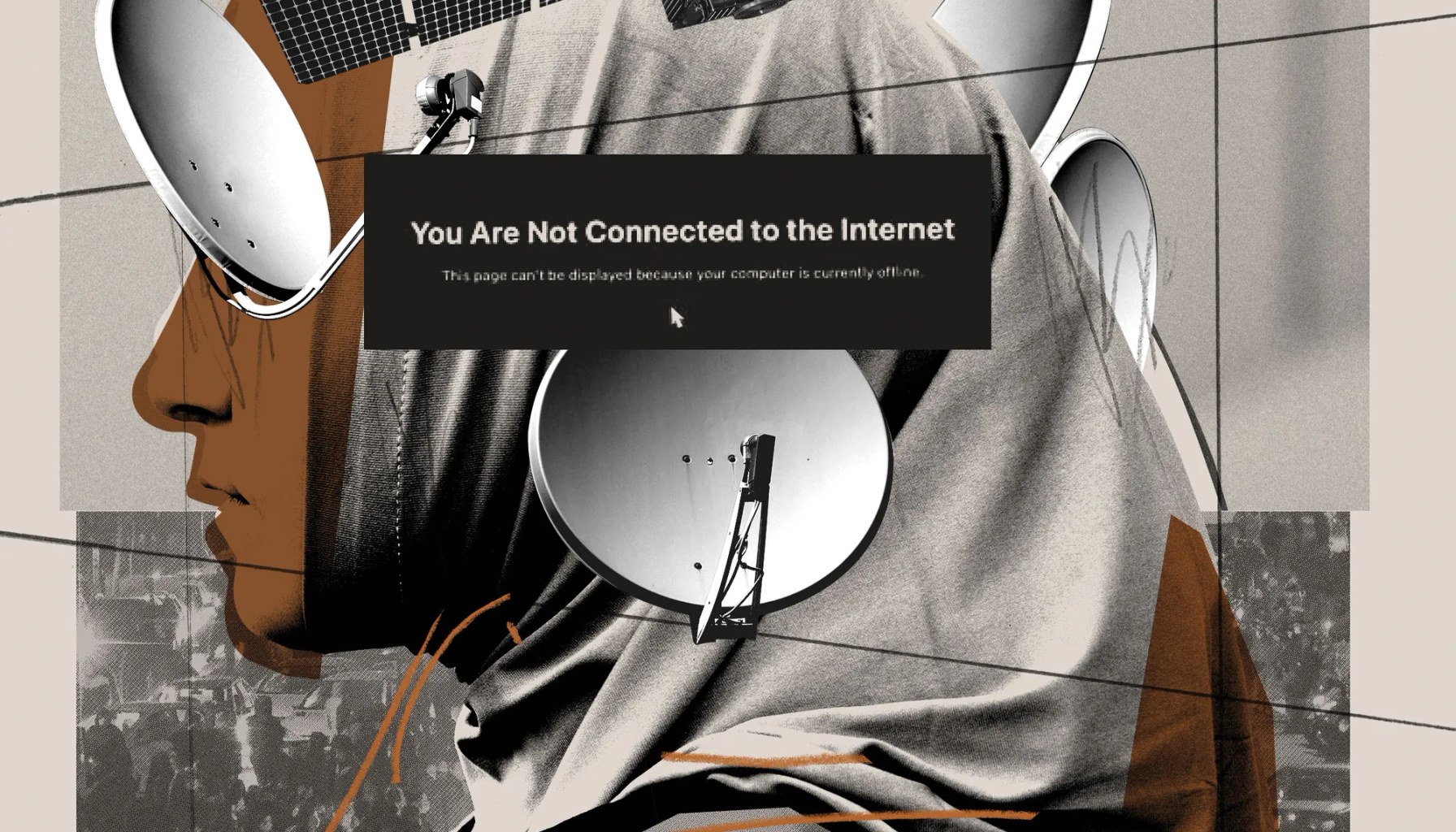
Iran’s information blackout was bypassed by a satellite TV data trick.
On January 8, 2026, Iran imposed a near-total communications shutdown: internet access vanished across all provinces, and government services, VPNs, text messaging, mobile calls, and even landlines were throttled to a crawl. The aim was clear political theater and control, but the effect was a country of more than 90 million people cut off from the world and from one another. The disruption came amid nationwide protests and a brutal crackdown, with one report putting confirmed deaths above 7,000 and exploring a total that could exceed 30,000. In the weeks that followed, NetFreedom Pioneers (NFP) activated a system built for moments like this: Toosheh, a method for sending files over ordinary satellite TV signals.
Engineering documentation shows that Toosheh exploits broadcast channels—systems that, unlike the internet, don’t live and die with a single route or provider. In practice, the project piggybacks data onto existing satellite TV transmissions, delivering information to homes that still possess a simple dish and a terrestrial receiver. Demonstration footage shows recipients decoding stored payloads from the broadcast stream, sidestepping the local chokepoints that had become the norm in Iran’s provinces. The approach doesn’t replace online networks; it complements them as a payload-based information channel when two-way connectivity is unavailable or heavily throttled.
The technical specifications reveal a fundamental tradeoff: broadcast resilience versus data rate. Toosheh is designed for opportunistic data delivery—files, documents, perhaps firmware or critical updates—rather than real-time communication or streaming. Lab testing confirms that a broad audience can retrieve data without requiring specialized internet access, using off-the-shelf satellite receivers and modest local storage. This matters in environments where cellular networks and fiber are unreliable or censored, but it also means the flow of information is slower, and sensitive material is exposed to the broadcast medium.
For the robotics and field-operations communities, the Toosheh story carries two clear implications. First, resilience isn’t only about encryption and redundancy in the cloud; it’s also about alternative delivery architectures that survive state-level outages. If a humanoid team needed a critical firmware update or mission briefing during a blackout, a broadcast-based channel could deliver it even when the primary network is down. Second, the approach highlights a fundamental constraint: once data leaves a private network and rides on a public broadcast, control over privacy and security becomes looser. If the content is sensitive, encryption and authentication are non-negotiable upgrades—something the Toosheh project would need to incorporate in any extension to confidential mission data.
In comparison with traditional circumvention tools, Toosheh represents a radical mode shift—from trying to carve out bandwidth within an access-controlled internet to delivering content through an omnipresent, hard-to-block medium. It’s not a magic fix for everyday connectivity, but it does demonstrate a stubborn, practical path around outages that cripple both civilians and the operators who rely on timely data. The takeaway for engineers and investors is not hype about a new internet, but respect for a stubborn, low-bandwidth, high-visibility channel that can move important files when everything else goes dark. It’s progress in the same spirit as a well-timed firmware patch delivered at dawn—quiet, decisive, and far from glamorous in a demo reel, yet potentially transformative in a real outage.
- Stealth Signals Are Bypassing Iran’s Internet Blackoutspectrum.ieee.org / Source role not classified / Published APR 15, 2026 / Accessed APR 21, 2026