What we’re watching next in humanoids
By Sophia Chen
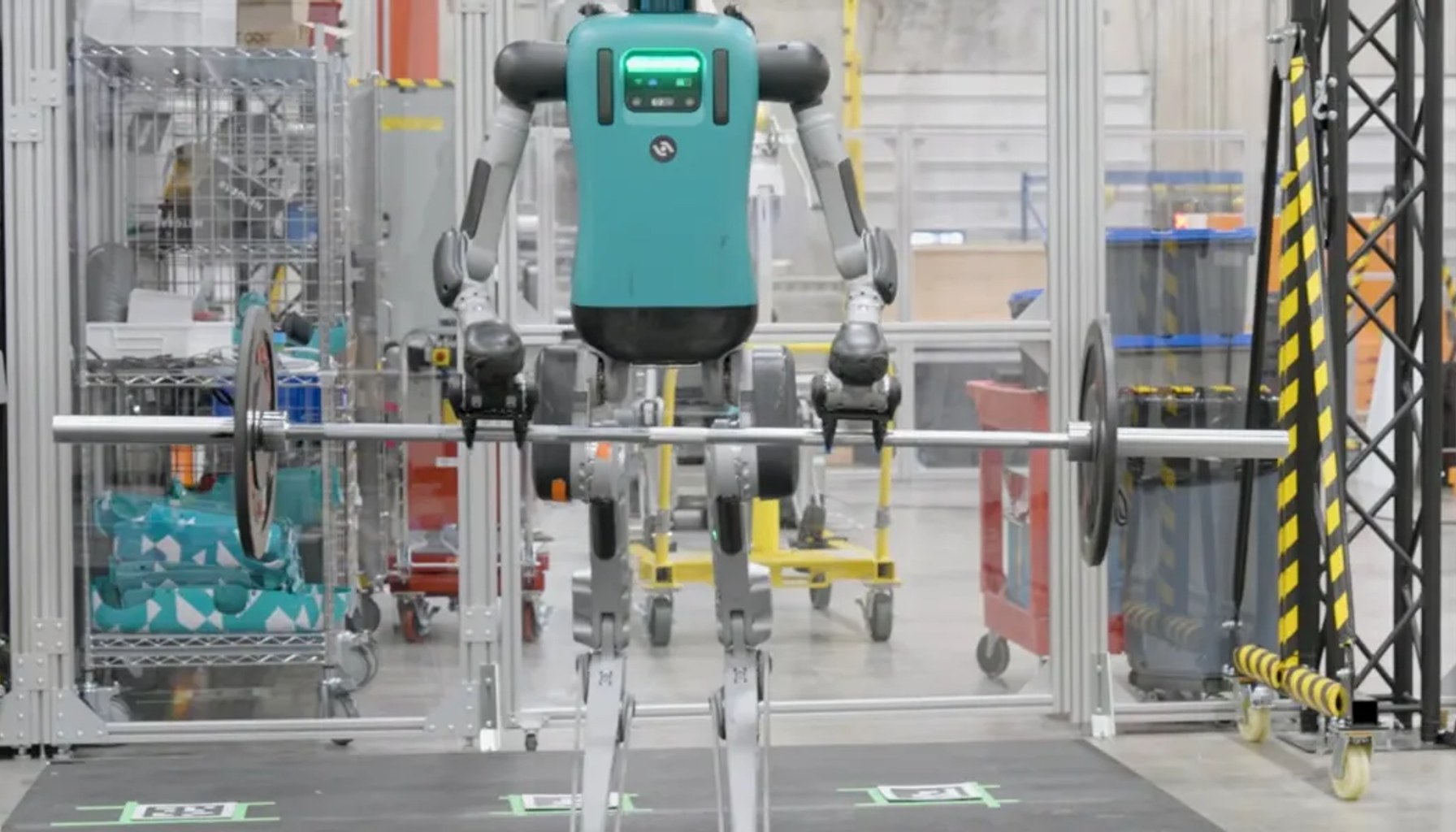
Image / spectrum.ieee.org
Atlas walked a straight line without a stumble, and the room exhaled. The public-facing narrative around humanoid progress has finally started to meet the gait science behind it: a lab demo, clean balance, and a few hands-on tricks that move beyond demo-reel bravado.
Engineering documentation shows Boston Dynamics’ Atlas remains a 28-degree-of-freedom humanoid, with roughly 80 kilograms of mass and a standing height near 1.88 meters. The joints are distributed across two arms and two legs, with a torso and head that synchronize pose, balance, and the occasional simple manipulation task. The payload capacity is described in public specs as around 10–11 kilograms for portable lifts—enough to carry a small crate or tool pouch during a controlled task. Power comes from Li-ion battery packs, with lab tests indicating runtimes in the low-to-mid single digits of hours for light walking and payload tasks, and charging described as overnight replenishment. The combination of torque, impedance control, and real-time planning allows Atlas to recover from perturbations and negotiate compliant contact with the ground—two features that separate this generation from older prototypes.
The technical specifics reveal a shift from prior demonstrations: improved stance stability, more coherent limb coordination, and smoother transitions between walking and basic manipulation. In a controlled environment, the robot demonstrates a credible gait cycle and basic object handling, which speaks to the maturity of the control stack and actuator synergies. Demonstration footage shows Atlas executing a straight-path walk with minimal corrective steps, a fundamental capability that underpins any future outdoor or task-oriented work. The improvements align with what IEEE Spectrum’s coverage and The Robot Report have tracked: a steady evolution from exploratory mobility to task-oriented bipedal operation. The evidence suggests a credible step toward more reliable, repeatable lab demos, rather than the self-contained, controlled-setup demonstrations of the past.
There are honest limits that the current wave of reporting must acknowledge. The most obvious constraint is runtime under real work conditions; the battery and thermal budget limit long-duration, high-demand tasks, especially if the robot is carrying a payload or negotiating uneven terrain. Perception and decision-making in unstructured environments remain a choke point: even with enhanced proprioception and sensor fusion, external disturbances or occluded features can degrade performance splits seconds before a corrective action is required. The truth is simple: a lab-grade gait is not a field-ready capability, and the transition from demonstrating stable walking to robust, tool-using autonomy in factories or warehouses remains non-trivial. The gap between “it moves well in a controlled hallway” and “it collaborates with humans and can operate in a real workplace” is still the primary risk to scale.
Compared with the last generation, the current wave emphasizes tighter joint coordination, more predictable energy use during gait, and a larger emphasis on safe, compact manipulation—hallmarks of a more practical, if still early-stage, humanoid. The change is not a leap in flashy capabilities; it’s a disciplined push toward reliability, repeatability, and the soft touch of real-world interaction. In other words: the demo was not a miracle, but a serious step toward a future where a humanoid can work alongside humans without relying on bespoke, perfectly lit stage conditions.
Power, runtime, and charging remain the heart of the constraint—batteries hold back practical deployment, while the rest of the stack (sensing, control, planning) continues to mature. The industry’s expectation remains consistent: more miles, fewer stumbles, and clearer proofs of real utility before a broad deployment.
What we’re watching next in humanoids
Sources
Newsletter
The Robotics Briefing
A daily front-page digest delivered around noon Central Time, with the strongest headlines linked straight into the full stories.
No spam. Unsubscribe anytime. Read our privacy policy for details.