Apple Taps Hardware Chief as Next CEO
By Riley Hart
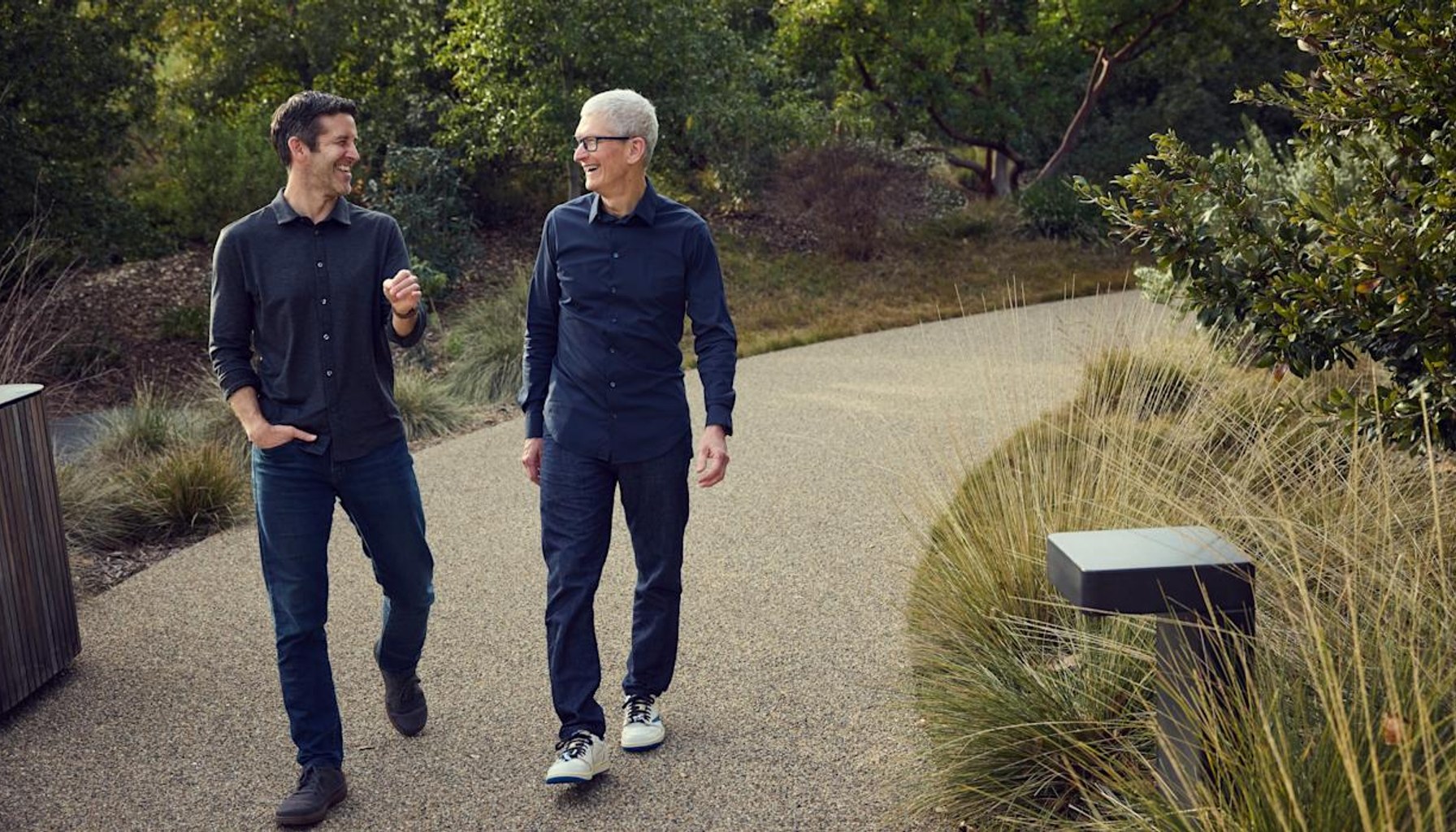
Image / engadget.com
Apple’s next CEO is a hardware veteran who shaped every iPhone. Tim Cook will step down on September 1, and John Ternus, the company’s long-time SVP of hardware engineering, will assume the top job, with Cook moving to executive chairman duties.
The board approved the transition unanimously, Apple said, as it pivots from a logistics-minded executive leadership model toward a product-centric helm rooted in device engineering. Cook’s tenure, beginning in 2011 after Steve Jobs’s death, transformed Apple into a services-adjacent powerhouse—AirPods, Apple Watch, Apple Music, Apple TV—and steered a hardware empire through privacy-friendly software and high-margin ecosystems. The shift comes at a moment when Apple’s product cadence remains as strategically important as its growing services business.
Ternus’s rise marks a rare instance of a hardware designer taking the reins at Apple’s top leadership level. He joined Apple in 2001 and rose to VP of hardware engineering in 2013, later stepping into a senior executive role in 2021. He has been a visible force behind core devices and, per recent coverage, the MacBook Neo’s lobby-quiet reveal helped elevate his profile inside Apple’s product development culture. If there’s a throughline in his career, it’s clear: a deep, hands-on focus on how the skeleton of an Apple product—chips, chassis, cooling, and fabrication—delivers the user experience.
Analysts and industry observers will watch whether a hardware-first CEO accelerates Apple’s product rhythm or reshapes its design language across iPhone, iPad, Mac, and the company’s growing AR/VR portfolio. The Vision Pro era, AirPods, and the broader device ecosystem sit at the intersection of hardware engineering and software ecosystems—areas where Apple has historically excelled when led by a technologist who can translate architectural decisions into tangible products. Ternus’s leadership could push for more integrated hardware-software storytelling, tighter design coherence, and perhaps a sharper eye on the next wave of silicon and sensor integration.
Two practitioner-level truths emerge from this transition. First, succession planning in a hardware-led company is a high-stakes test of continuity. Apple’s unanimous board endorsement signals a preference for preserving engineering discipline during the leadership handoff, which can stabilize investor confidence in a period of rising service revenues and a renewed emphasis on premium hardware. Second, culture and cadence matter as much as vision. A CIO-turned-CEO approach tends to reinforce an execution-orientation—prioritizing manufacturability, supply chain resilience, and product quality—at a moment when supply-chain volatility and component shortages remain salient for premium devices.
But the shift also comes with caveats. Apple’s long-standing strength has been the synergy between hardware ambition and software ecosystems; a hardware-centered CEO could intensify the pressure to deliver standout devices rapidly, which in turn tests design iteration cycles and supplier partnerships. The transition leaves room for continued emphasis on AR and wearable devices, given Ternus’s background, but it also invites scrutiny over whether software experience and services will keep pace with any new hardware-led ambitions.
In short, Apple’s leadership pivot signals a continued, even sharpened, commitment to devices as the engine of the company’s value—paired with the services that prop up those devices. Watch closely for the cadence of product reveals, any shifts in design language, and how Apple balances the engineering cadence with software-driven experiences under a CEO whose career has lived in the hardware trenches.
Sources
Newsletter
The Robotics Briefing
A daily front-page digest delivered around noon Central Time, with the strongest headlines linked straight into the full stories.
No spam. Unsubscribe anytime. Read our privacy policy for details.