California says Amazon pressured brands to raise prices
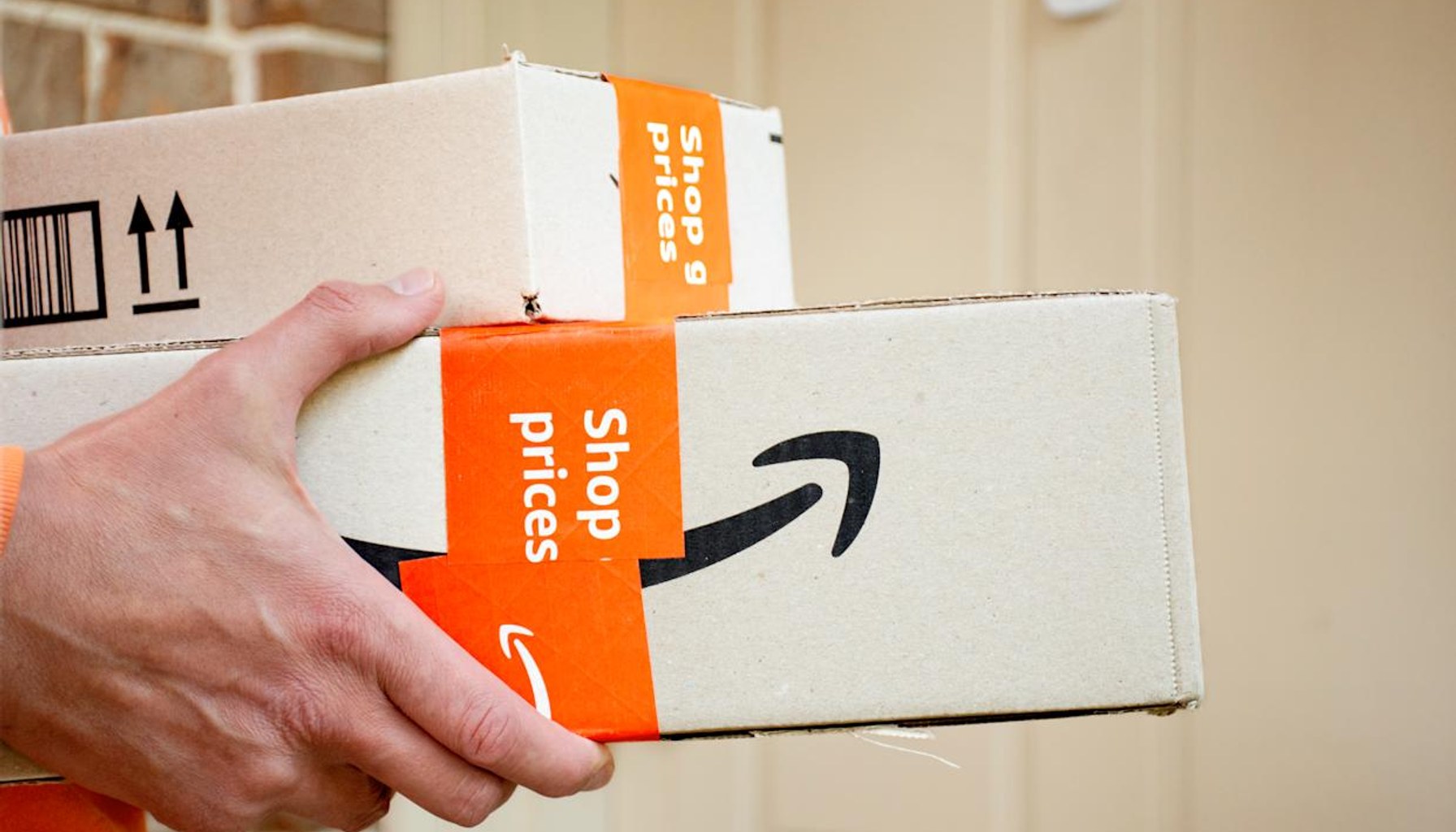
California says Amazon coerced brands to hike prices on rivals, and the unredacted filing paints a stark portrait of what the state calls “illegal conduct” in the wild west of online shopping. The state’s attorney general says the e-commerce giant used its outsized bargaining power to push sellers into raising prices on third-party sites like Walmart and Target, or to pull their products from those outlets entirely.
In the unredacted document, filed as part of a long-running antitrust case that began with a 2022 lawsuit, California alleges Amazon informed vendors that failing to comply would trigger “significant penalties” and could jeopardize access to its own platform. The troubling portrait isn’t just about loud threats; it’s about tactics that would curb price competition across the web. The filing cites multiple examples, including Arlo, a security-systems provider, where the company allegedly discussed “external price matching” in a way that kept prices in alignment with Amazon’s expectations on competing pages.
The legal posture is clear: California has sought a preliminary injunction since February to stop what it calls ongoing illegal conduct as the case moves toward trial, which is expected next year. The unredacted details intensify the pressure on a company already under intense regulatory scrutiny across the United States. For consumers, the implications could be simple and stark: if price coordination exists beyond private agreements between manufacturers and retailers, shoppers may see fewer genuine price differences across storefronts.
This development comes as regulators increasingly scrutinize how marketplace giants wield control over the ecosystems they host. The California filing underscores a key question in modern retail: how far can a platform legitimately steer pricing across its entire network while still arguing it’s simply enabling competition? The stakes matter for brands too. If the state’s portrayal is accurate, manufacturing partners faced a double bind—maintain listing access on Amazon or risk penalties that ripple across their own distribution strategies. That dynamic fuels a chilling effect where brands hesitate to experiment with pricing or promotions on non-Amazon channels for fear of retribution at the primary marketplace.
What to watch next, from a practitioner’s lens:
As the legal drama tightens, one truth remains clear for shoppers and sellers alike: the line between competitive pricing and anti-competitive coercion can blur quickly in a system where a single platform sits at the center of so many transactions. The next moves—whether the injunction lands, what evidence the court accepts, and how the trial unfolds—will shape pricing dynamics on major e-commerce sites for years to come.
- Amazon allegedly pressured companies to raise product prices with other retailersengadget.com / Source role not classified / Published APR 21, 2026 / Accessed APR 21, 2026