Apple taps John Ternus as next CEO
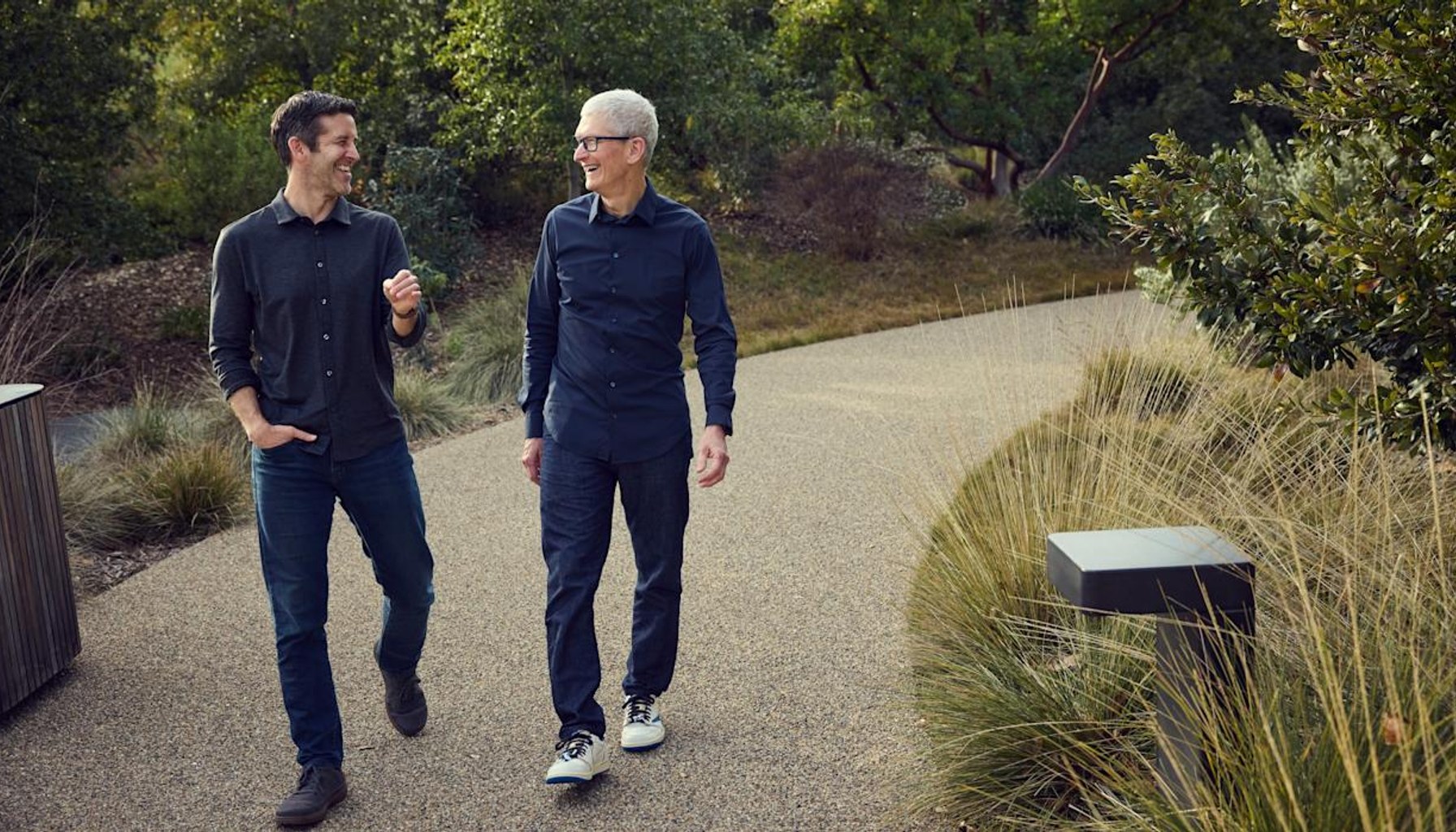
Tim Cook leaves Apple; the hardware chief gets the baton.
Apple will have a new chief executive this fall, announcing that Tim Cook will step down on September 1 and transition to executive chairman, with John Ternus, the company’s long-time SVP of hardware engineering, taking over as CEO. The board approved the handover unanimously, signaling a careful transition for a company that has become as famous for its supply-chain discipline as for its product launches. Cook’s exit closes a chapter that reshaped Apple from a device maker into a hybrid of hardware, software, and services, while positioning Ternus to steer the next wave of devices from the engineering bench.
Cook’s tenure began in 2011, after the Steve Jobs era, and he presided over a post-iPhone era that included the birth of AirPods, the Apple Watch, and the Vision Pro. He also pushed Apple toward services—Apple TV, Apple Music, and other subscription offerings—helping the company grow revenue beyond hardware margins. In a statement, Cook reflected on his eight-plus years at the helm, emphasizing the privilege of leading Apple and the dedication of its people.
Ternus, by contrast, has been a product-minded engineer at Apple since 2001, rising to VP of hardware engineering in 2013 and then taking on senior executive responsibilities more broadly in 2021. He was a visible figure at high-profile hardware events, including the MacBook Neo launch, and has long been viewed as Apple’s most influential figure inside the product-design and hardware-orientation camp. In hands-on reviews and coverage, Ternus has been described as the architect of Apple’s hardware platform strategy, the kind of leader who can translate silicon into tangible devices.
What this means for Apple’s trajectory is nuanced. On one hand, Cook’s tenure cemented a model in which Apple pairs robust hardware with a growing ecosystem of services—an approach that helped sustain margins and maintain premium positioning. On the other hand, critics have argued that Cook’s era sometimes lacked the crystal-clear product vision that defined Steve Jobs, raising questions about where Apple’s next “genuinely breakthrough” device would come from. By handing the reins to a hardware-focused executive, Apple signals that the next phase may hinge on even tighter integration of design, manufacturability, and mass appeal across devices—while continuing to rely on a services layer to monetize the installed base.
Two practitioner threads stand out for industry watchers. First, the succession underscores Apple’s ongoing risk management: a smooth transition requires the engineering and product roadmap to stay on cadence as leadership shifts. Second, the choice of a hardware leader as CEO could tilt Apple’s external messaging toward device-led innovation and deeper platform integration, potentially accelerating iterations on AR/VR hardware, wearables, and silicon strategy—areas where Ternus has long had influence. Still, a seamless transition will hinge on preserving the cross-functional culture that has kept Apple’s ecosystem coherent across hardware, software, and services.
What to watch next: how quickly Apple unveils a forward-facing product narrative under Ternus, how the company handles the cadence of major hardware refreshes, and whether strategic bets—like AR/VR or other platform initiatives—receive added weight in the short term. The board’s unanimous approval and Cook’s planned transition over the summer suggest confidence in continuity, but the real test will show up in product roadmaps and investor communications as Apple moves into a post-Cook era.
- John Ternus will be CEO of Apple when Tim Cook steps down this fallengadget.com / Source role not classified / Published APR 21, 2026 / Accessed APR 21, 2026
- The Morning After: The next CEO of Apple will be hardware exec John Ternusengadget.com / Source role not classified / Published APR 21, 2026 / Accessed APR 21, 2026