Apple Watches cleared; import ban not reinstated
By Riley Hart
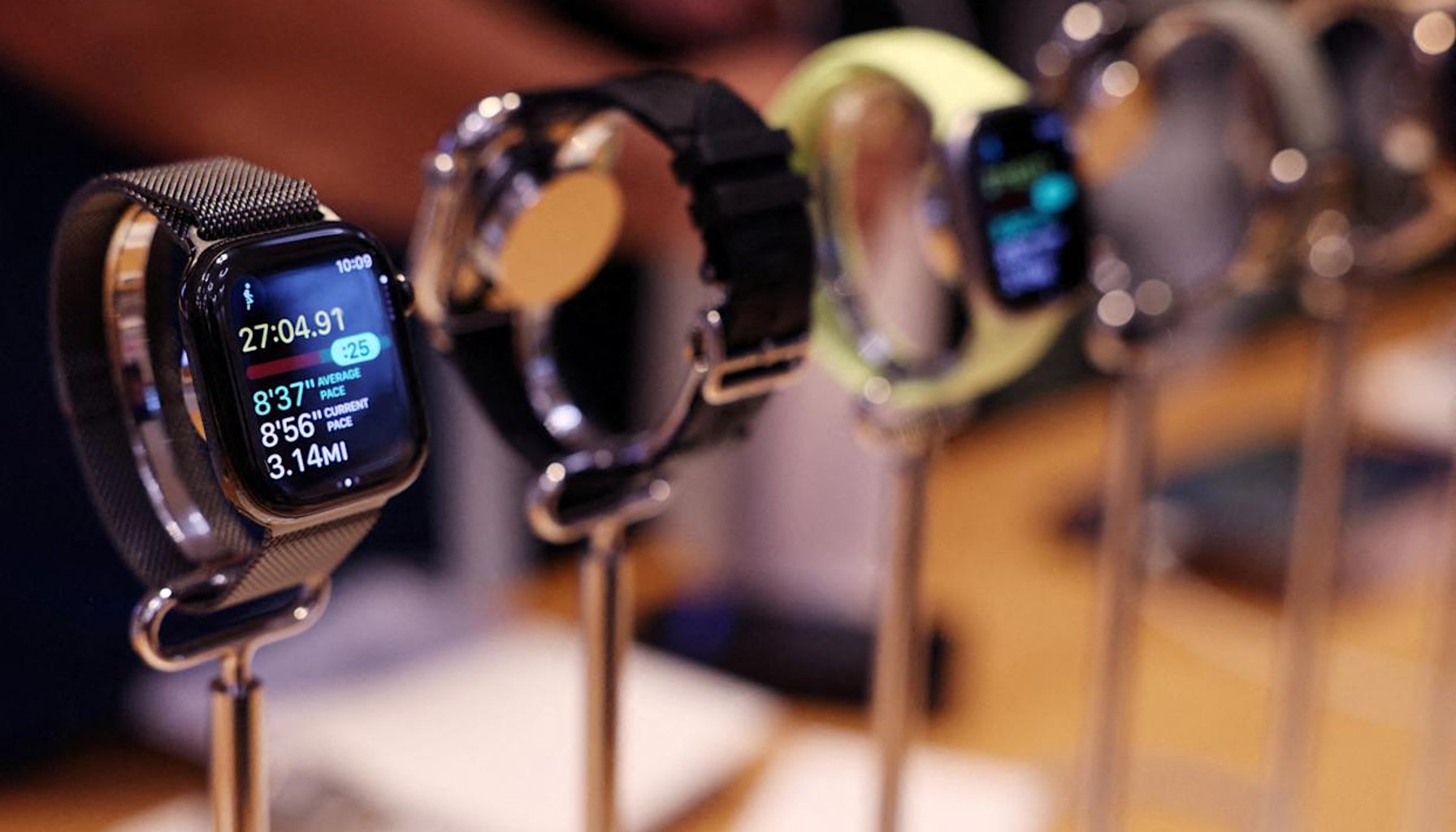
Image / engadget.com
The ITC just denied Masimo a second import ban on Apple's redesigned Watches, effectively letting the wearable line keep sailing with updated blood-oxygen sensors.
In a move that closes a long chapter of patent drama dating back to 2021, the U.S. International Trade Commission terminated the case and leaned on a March preliminary ruling that Apple’s redesigned oxygen-sensing tech doesn’t infringe Masimo patents. The decision means Apple can continue selling the current generation of Apple Watches without the shadow of an import ban hanging over shipments. Masimo isn’t finished, though—the company could pursue an appeal, a path the article notes but doesn’t spell out in detail.
For Apple, the ruling arrives as a relief and a win-win in a high-stakes game where a single import ban could have disrupted holiday sales and supplier planning. The redesign—an effort to distance the watch’s blood-oxygen monitoring from Masimo’s patented approach—was already in place as Masimo pursued a ban on updated models. With the latest ITC decision, Apple’s supply chain and retail cadence stay intact, and customers don’t face sudden gaps in availability or pricing shocks tied to IP enforcement.
From Masimo’s perspective, this is another fork in a long legal road. The company has argued for years that Apple’s health sensors tread on its patents, a claim that has persisted through multiple court actions and redesigns. The ITC’s conclusion that the redesigned tech doesn’t infringe suggests a narrowing of Masimo’s leverage in this particular space, at least against Apple’s current hardware. The next move, as described in the coverage, is an appeal option Masimo could pursue, though the precise procedural route isn’t spelled out in the reporting. In practical terms, the case highlights a broader dynamic in wearables: health-sensor IP barriers are real, but successful design-arounds can complicate, not end, regulatory fights.
Consumer-watchers should note what this means for everyday use and expectations. Apple’s health features—oxygen saturation readings, wake-time consistency, and on-device health dashboards—will continue to be marketed and updated across models without fear of a sudden import ban derailing sales. Yet the case underscores a key reality of the wearables market: IP fights shape product roadmaps, sensor sourcing, and the incentives for in-house versus third-party component design. The redesigns that allowed Apple to dodge further restrictions will likely remain a focal point as Masimo and other tech-health IP challengers watch for opportunities to tighten oversight on new sensor implementations.
What to watch next is as telling as what happened. If Masimo pursues an appeal, the outcome could influence future licensing stances and how aggressively–or creatively—companies defend health-tech patents in consumer devices. Separately, observers will parse whether Apple’s sensor technologies continue to evolve to outpace IP challenges, or if Masimo pivots toward licensing arrangements elsewhere in the wearables ecosystem. In either path, the drama surrounding blood-oxygen sensing in real-world use keeps mutating, even as the core Apple Watch line remains on the move.
Sources
Newsletter
The Robotics Briefing
A daily front-page digest delivered around noon Central Time, with the strongest headlines linked straight into the full stories.
No spam. Unsubscribe anytime. Read our privacy policy for details.