Autonomous freight trains eye mainstream logistics
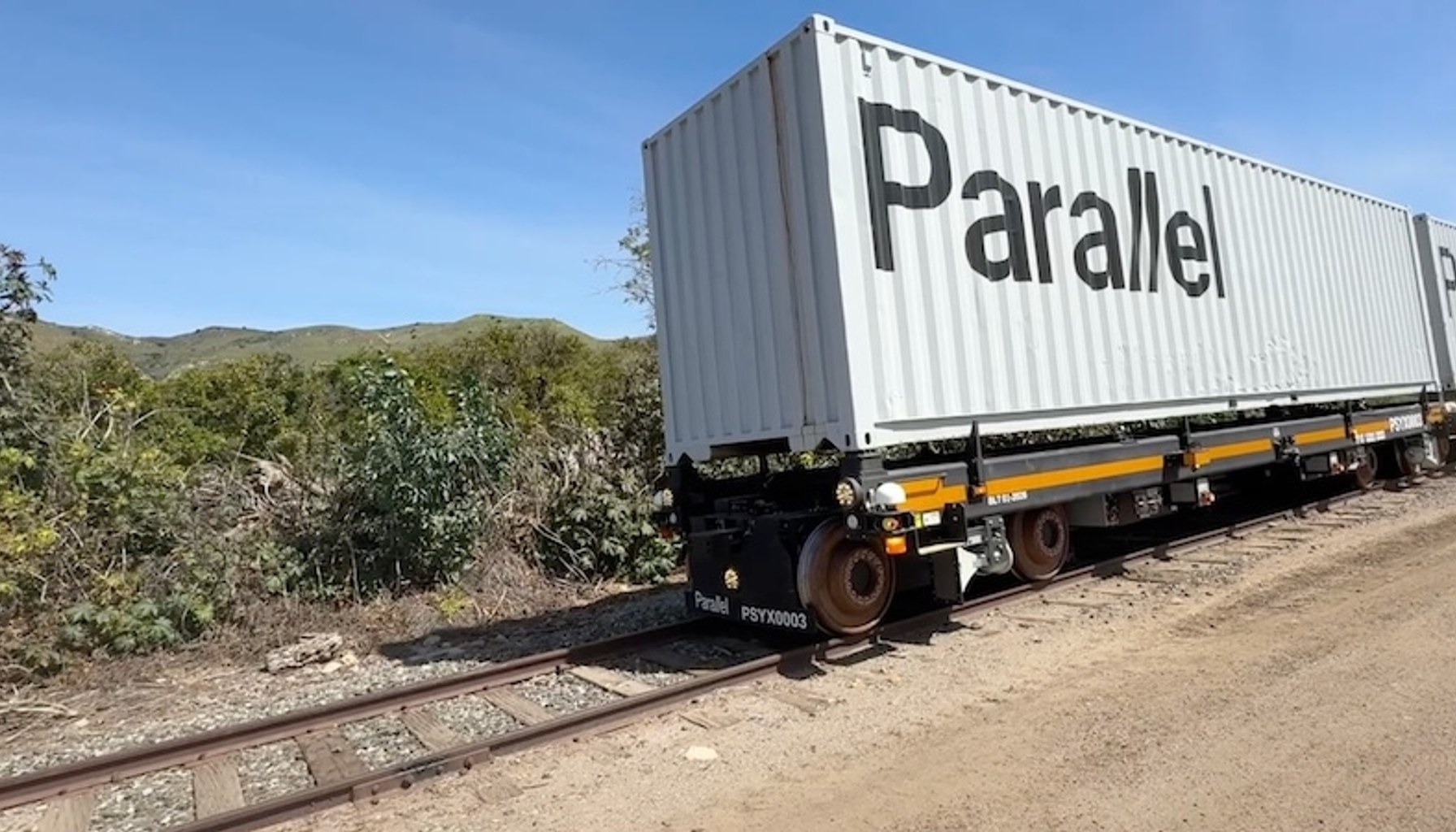
A Los Angeles startup just raised $100 million to turn autonomous freight trains into real world logistics workhorses. Parallel Systems, a Los Angeles based company developing what it calls the world’s first autonomous freight train system, outlined its plan in a funding round that has reached about $100 million to date. The company is conducting commercial testing of its autonomous rail vehicles in Georgia. The push underscores a broader shift in logistics toward automation and autonomous transport technologies.
Parallel's funding and testing signal a broader industry trend toward automating freight movement rather than relying solely on traditional rail operations. The emphasis on autonomous rail aligns with a logistics sector hungry for throughput gains and lower per unit handling costs, as automation vendors push into real world routes rather than lab demos. Industry observers say uptime, reliability, and integration with existing yards will determine whether autonomous rail can deliver real cycle time and throughput gains.
Two practitioner takeaways stand out for plant managers and automation engineers watching Parallel Systems. First, the business case hinges on real deployments rather than demonstrations, given the scale of the fundraising and the ongoing testing program. This matters because the jump from prototype to production rail service has historically killed many automation bets when uptime and reliability faltered. Parallel Systems’ emphasis on actual testing in Georgia points to the industry preference for measurable, field proven performance before broad rollout.
Second, integration into existing rail yards and networks will determine value, not just the novelty of driverless tech. In practice, operators will watch for how seamlessly autonomous trains can slot into current scheduling, switching, and maintenance routines, and what the incremental capital and training requirements look like. The Georgia pilots will likely serve as a reference for how much yard space, power, and staff retraining are necessary to sustain a measurable cycle time improvement.
If the pursuit pays off, the next milestones will hinge on translating Georgia’s early tests into scalable, repeatable operations that operators can budget for and defend to the CFO. In an environment where every extra minute in a yard costs money, these are the kinds of productivity metrics that will decide whether autonomous freight rail moves from a headline into a staple of mainstream logistics.
- Parallel Systems raises $100 million to bring autonomous freight trains into mainstream logisticsroboticsandautomationnews.com / Independent source / Published MAY 20, 2026 / Accessed MAY 20, 2026