Calendar deadline seals Musk OpenAI suit
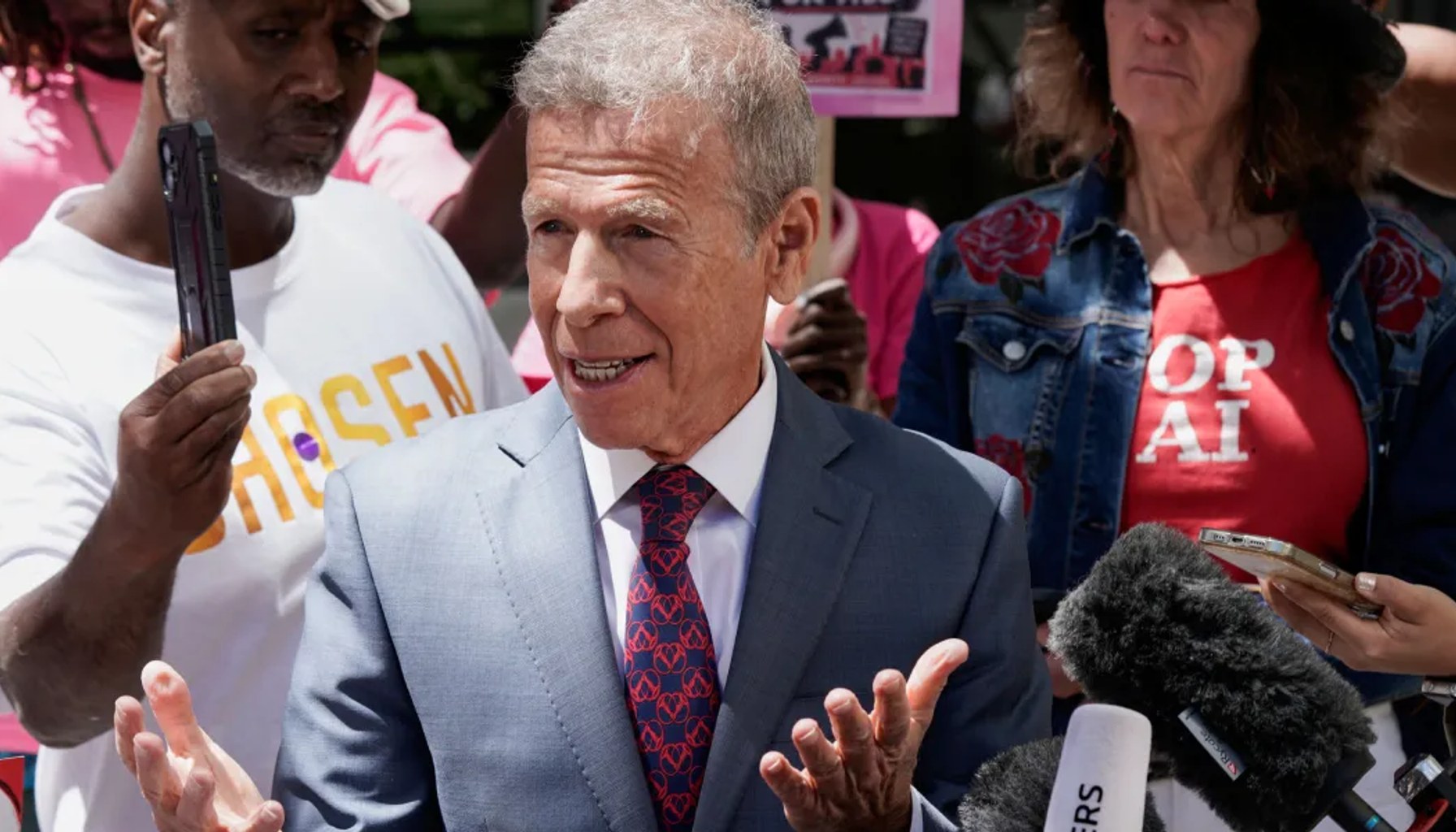
A calendar deadline ended Elon Musk’s bid to unwind OpenAI, not the strength of his case. A unanimous advisory verdict found his claims were barred by statutes of limitations, and US District Judge Yvonne Gonzalez Rogers promptly accepted the ruling. Musk said he will appeal.
Musk argued two theories: breach of a charitable trust and unjust enrichment, stemming from his early donations to OpenAI and promises that it would stay nonprofit to pursue a mission-driven path. OpenAI began as a nonprofit in 2015, with Musk among its boosters, and later reorganized into for-profit structures. Musk filed his suit in 2024, seeking to unwind a 2025 restructuring and remove key executives. The case did not reach the merits of the allegations because the court deemed the claims time-barred.
The decision hinges on statute of limitations: three years for breach of charitable trust and two years for unjust enrichment. That math meant Musk should have discovered the alleged breaches much earlier, according to the ruling. In other words, the court treated the timing as the controlling issue, not whether the facts themselves were true. OpenAI argued the window had closed before Musk filed suit, and the judge agreed.
For donors and founders, the case is a blunt lesson in governance and timing. It’s a reminder that when a research nonprofit becomes a corporate entity, the clock on legal recourse can outrun the run-rate of a mission. The judge’s posture that the verdict did not address the merits means the underlying questions about nonprofit versus for-profit control remain unresolved in the public record, at least for now. This creates a cautionary tale for philanthropic funding in AI, where the boundaries between mission and monetization can shift quickly.
Analysts and practitioners can draw a few concrete takeaways. First, donors should consider explicit sunset clauses or compliance milestones when funding AI nonprofits that later pivot to for-profit entities. Second, governance documents and promises matter legally only if the clock is reset or extended in a manner that survives restructurings. Third, the case highlights that timing disputes can derail otherwise substantive claims, a factor that startup boards watch closely when navigating rapid reorganization. These are practical concerns for AI labs weighing fundraising, equity, and mission guarantees in the near term.
The legal endgame remains up in the air for Musk, who said he would appeal. In the meantime, the decision leaves OpenAI’s current governance and business model intact, at least from this procedural angle. The ruling also reinforces a broader industry pattern: disputes over charitable status and for-profit conversion will be treated through the lens of how and when information is discovered, not solely on who promises what. For the AI landscape, that means more focus on drafting robust governance agreements and clearer donor expectations as labs grow and pivot.
- Here’s why Elon Musk lost his suit against OpenAItechnologyreview.com / Independent source / Published MAY 18, 2026 / Accessed MAY 19, 2026